
Bitcoin Suisse has received regulatory approval from the Abu Dhabi Global Market (ADGM) to operate in the Middle East, marking its entry into the regional fintech ecosystem. The approval, announced on July 7, 2026, follows a multi-stage review process that underscores ADGM’s commitment to vetting digital asset firms operating within its jurisdiction. This development positions Bitcoin Suisse, a leading Swiss crypto financial services provider, to expand its international footprint and capitalize on the UAE’s growing digital finance infrastructure.
Regulatory Environment
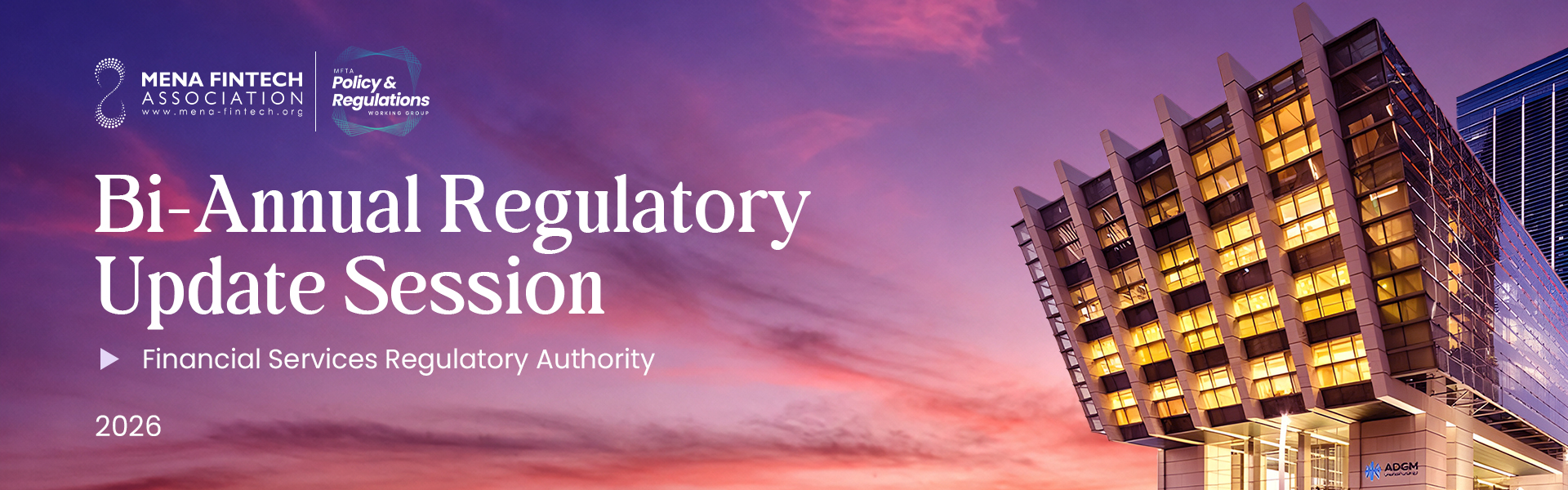
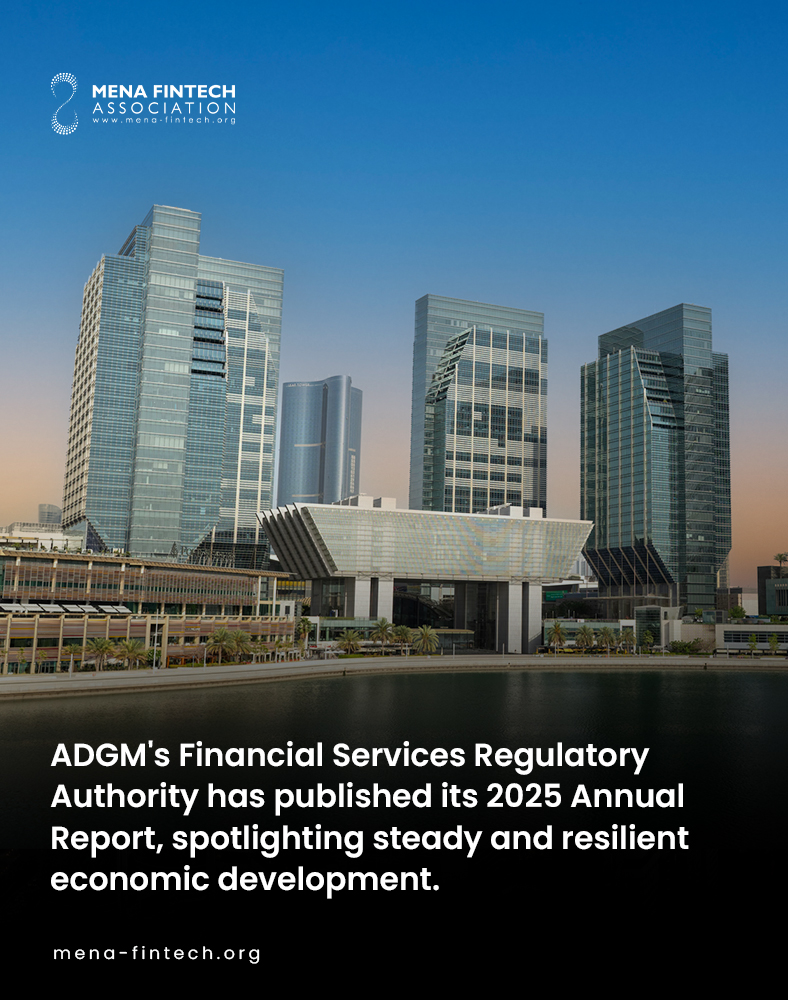
The Abu Dhabi Global Market (ADGM) has positioned itself as a regulatory hub for fintech innovation in the Middle East, offering a framework that balances transparency with flexibility for emerging technologies. Established in 2015, ADGM’s Financial Services Regulatory Authority (FSRA) has attracted global firms by implementing clear guidelines for digital asset services, including licensing requirements, anti-money laundering (AML) protocols, and cybersecurity standards. Bitcoin Suisse’s approval reflects ADGM’s strategic focus on attracting reputable international players to its jurisdiction, which aligns with the UAE’s broader goal of becoming a regional fintech and digital assets center.
The multi-stage approval process for Bitcoin Suisse, as described in ADGM filings, likely involved rigorous compliance checks, including due diligence on the firm’s operational structure, risk management systems, and alignment with local regulatory expectations. This approach ensures that only entities meeting stringent standards are permitted to operate, reinforcing ADGM’s reputation as a trusted regulatory authority in the region. The process also highlights the UAE’s proactive stance in shaping a regulatory environment that supports innovation while safeguarding consumer interests.
Implications for Local Fintech
The entry of Bitcoin Suisse into the Middle East is expected to catalyze competition and collaboration within the regional fintech sector. Local firms, many of which are already exploring blockchain and digital asset solutions, may face pressure to enhance their offerings to remain competitive. This could accelerate the adoption of advanced technologies such as smart contracts, decentralized finance (DeFi) platforms, and cross-border payment solutions tailored to the needs of the MENA market.
Collaboration opportunities between Bitcoin Suisse and regional players could also lead to the development of hybrid financial products that combine traditional banking services with digital assets. For instance, partnerships might focus on embedded finance models, enabling users to access crypto-based lending, trading, or investment services through existing banking infrastructure. Such initiatives could be particularly relevant in the UAE, where the central bank has been exploring regulatory sandboxes to test innovative financial technologies.
The presence of a well-established global firm like Bitcoin Suisse may also serve as a signal to investors and regulators that the UAE is becoming a more attractive destination for fintech investments. This could encourage further inflows of capital into the region, potentially leading to the establishment of more international fintech hubs in the Gulf Cooperation Council (GCC) countries.
Significance
For the MENA region, Bitcoin Suisse’s entry into the UAE through ADGM underscores the growing interest in cryptocurrency and digital finance. The UAE, in particular, has been positioning itself as a leader in the digital economy, with Abu Dhabi’s ADGM playing a pivotal role in attracting global financial institutions. This development aligns with broader regional trends, such as Saudi Arabia’s Vision 2030 and Bahrain’s fintech-friendly policies, which collectively aim to diversify economies away from oil dependency and toward technology-driven growth.
The practical question for market participants is how to navigate the evolving regulatory landscape while leveraging opportunities presented by the influx of global fintech firms. Stakeholders must balance compliance with local regulations, such as ADGM’s licensing requirements, against the need to innovate and meet consumer demand for digital financial services. This includes adapting to regional preferences, such as the high adoption rates of mobile payments and the increasing interest in Islamic finance-compatible crypto products.
As the region continues to develop its digital finance infrastructure, the integration of global players like Bitcoin Suisse could also influence regulatory harmonization efforts across MENA. For example, the UAE’s approach to regulating digital assets may serve as a model for other Gulf states seeking to attract similar firms. This could lead to a more cohesive regulatory framework that facilitates cross-border fintech operations and reduces fragmentation in the region’s financial ecosystem.
What Wasn’t Disclosed
The announcement did not disclose financial terms, expected merchant volumes, or specific regulatory approvals beyond the ADGM license. It also did not confirm when the first live services would be launched or the exact nature of the products and services Bitcoin Suisse will offer in the Middle East. These gaps leave room for speculation about the firm’s immediate priorities and long-term strategy in the region, though stakeholders can expect further details to emerge as the company begins operations.
Sources
- Bitcoin Suisse enters Middle East through ADGM licence – zawya.com
- Bitcoin Suisse receives regulatory approval in Abu Dhabi – finextra.com
Image: static.zawya.com