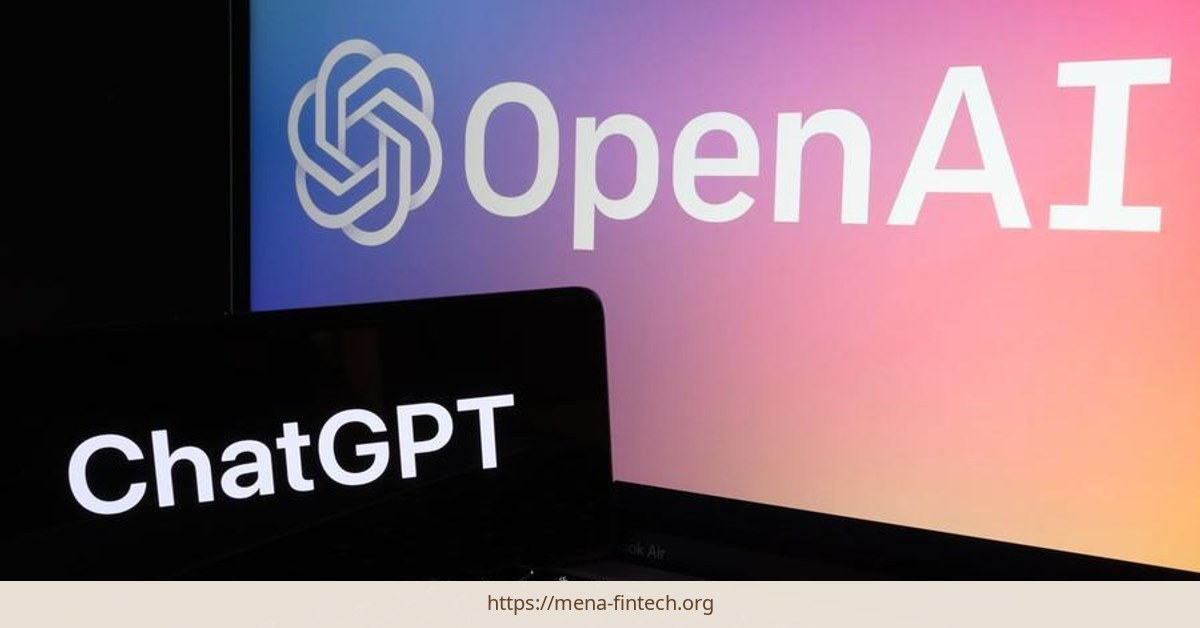
OpenAI launched ChatGPT Work on July 10, 2026, introducing a powerful AI tool designed to enhance workplace productivity.
ChatGPT Work Overview
ChatGPT Work utilizes OpenAI’s advanced AI model GPT-5.6, enabling users to create finished documents, spreadsheets, presentations, reports, and websites by gathering context from apps and workflows. The tool is positioned as a significant advancement in workplace AI solutions, with the potential to streamline tasks across multiple industries. By integrating with existing software ecosystems, the platform aims to reduce the time spent on repetitive administrative tasks, allowing employees to focus on higher-value work. Its ability to synthesize information from disparate sources could redefine how teams collaborate, particularly in sectors reliant on data-heavy processes such as finance, legal, and healthcare.
Impact on MENA Businesses
The demand for AI-driven solutions in the workplace is growing in the MENA region, where digital transformation is accelerating. ChatGPT Work could significantly enhance operational efficiency for businesses by integrating seamlessly with various applications. This development aligns with broader trends in the region toward adopting AI to improve productivity and reduce manual labor in routine tasks. In the GCC, where governments have prioritized smart city initiatives and digital infrastructure, the tool may find early adoption in sectors such as banking, logistics, and government services. For example, financial institutions in the UAE and Saudi Arabia, which are already investing heavily in AI for fraud detection and customer service, could leverage ChatGPT Work to automate report generation, compliance documentation, and internal communications. However, the tool’s success will depend on its ability to comply with regional data privacy regulations, such as the UAE’s Data Protection Law and Saudi Arabia’s Personal Data Protection Law, which impose strict requirements on data handling and cross-border data transfers.
Competitive Landscape
OpenAI’s entry into the workplace AI market intensifies competition among providers. The tool’s capabilities may prompt partnerships with MENA fintech companies, further embedding AI into the region’s financial and business ecosystems. However, the announcement did not disclose financial terms, named partners, or specific launch timelines for the MENA market. This lack of transparency raises questions about the tool’s readiness for regional deployment. Competitors such as Microsoft’s Copilot, Google’s Workspace AI, and local startups like UAE-based AI firm Nortal are already vying for market share in the MENA region. OpenAI’s decision to delay detailed regional rollout plans may signal a strategic focus on global partnerships before addressing localized regulatory and market-specific challenges. For instance, the tool’s integration with Arabic-language applications and its ability to process region-specific financial data (such as Islamic banking compliance) will be critical for adoption in the GCC. Without clear timelines or partnerships, the tool’s immediate impact on the MENA market remains uncertain.
Significance: For MENA fintech, the launch reflects the growing convergence of AI and productivity tools in the region. The practical question for market participants is whether ChatGPT Work can translate its capabilities into licensed, bank-compatible services across multiple jurisdictions. Until specific approvals, partners, and launch volumes are disclosed, the development is best treated as an infrastructure initiative to monitor rather than a completed market rollout. The absence of regulatory approvals or named banking partners also highlights the challenges of deploying AI tools in a region with fragmented regulatory frameworks. For example, while the UAE’s ADGM and Dubai Financial Services Authority (DFSA) have been proactive in fostering fintech innovation, Saudi Arabia’s Capital Market Authority (CMA) and Bahrain’s Central Bank have taken a more cautious approach to AI integration. These differences could create a patchwork of compliance requirements that may slow adoption unless OpenAI collaborates with local regulators to tailor its solution.
The announcement did not disclose investment size, ownership terms, regulatory approvals, named banking partners, launch markets, or committed transaction volumes. It also did not confirm when the first live corridor or commodity product would move into production. This opacity contrasts with the region’s recent trend toward transparency in fintech partnerships, such as the UAE’s 2025 Digital Economy Strategy, which emphasizes clear governance frameworks for emerging technologies. Without concrete details, stakeholders in the MENA fintech ecosystem may struggle to assess the tool’s potential impact on their operations or strategic planning. Additionally, the lack of information on pricing models or licensing terms could hinder adoption by smaller businesses and startups, which often rely on cost-effective AI solutions to scale.
Sources
Image: static.zawya.com