

AI Hiring Trends in the Gulf: A Growing Demand Amid Industry Challenges

AI-related skills appeared in 3.4% of Gulf job vacancies in 2026, reflecting a growing demand despite industry challenges.
Saudi Arabia’s SDAIA Earns Global Recognition in AI Progress
The Saudi Data and Artificial Intelligence Authority (SDAIA) received two excellence certificates at the WSIS Awards 2026, highlighting its advancements in data and AI. This recognition comes as Saudi Arabia enhances its digital landscape through significant investments and the establishment of risk management standards for AI. Moving forward, observers should monitor further developments in Saudi Arabia’s AI governance and international collaborations.
LSEG Integrates Financial Data into AI Workflow Automation Platform

LSEG integrates financial data into its AI workflow automation platform, enhancing access to AI-ready content for financial services.
Remitly Granted Stored Value License by UAE Central Bank

Remitly has secured a Stored Value Facilities license from the UAE Central Bank, enabling new financial products in the region.
Regulatory Changes Reshape Buy Now, Pay Later Services in MENA

Regulatory changes are reshaping Buy Now Pay Later services in MENA, impacting consumer credit and fintech operations.
DataFlow Group and Tadawi Healthcare Sign MOU to Enhance UAE Healthcare Credential Verification
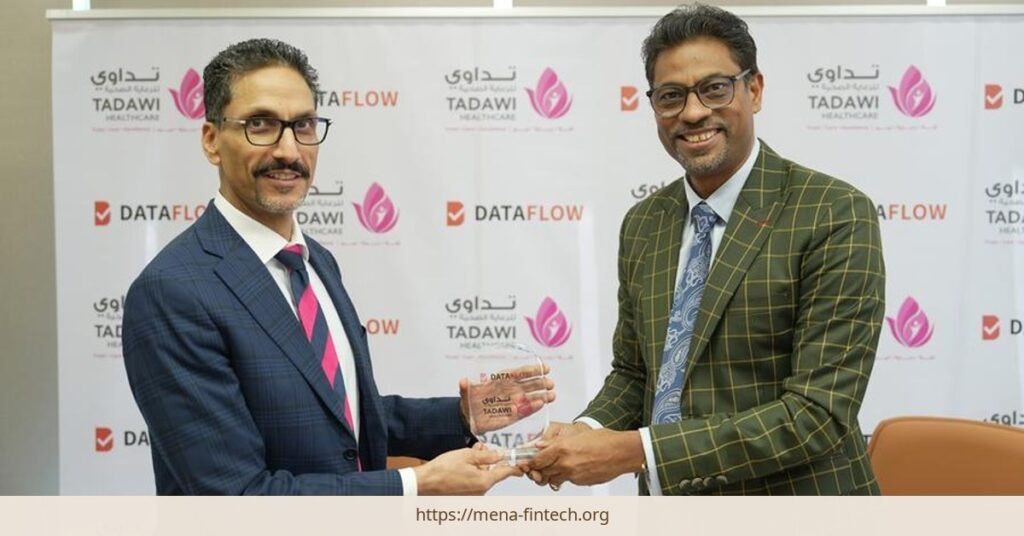
DataFlow Group and Tadawi Healthcare sign MOU to enhance credential verification standards for healthcare practitioners in the UAE.
Saudi Arabia Strengthens AI Ties with South Korea and China

Saudi Arabia’s Minister of Communications, Abdullah bin Amer Al-Sawaha, held meetings in South Korea and China to enhance partnerships in advanced technologies, particularly in artificial intelligence. This initiative is part of a broader strategy to bolster the kingdom’s digital economy and foster international collaborations. The next steps to watch include potential agreements that may arise from these discussions, impacting Saudi Arabia’s technological landscape.
Saudi Arabia Launches National AI Risk Management Framework

The Saudi Data and Artificial Intelligence Authority (SDAIA) has launched a national framework for managing artificial intelligence risks, designed to provide a unified reference for both public and private sectors to safely and responsibly adopt AI technologies. This initiative is triggered by the rapid global adoption of AI technologies and the unique risks they pose compared to traditional systems. Moving forward, stakeholders should monitor the implementation of this framework and its impact on Saudi Arabia’s position as a leader in responsible AI development.
HSBC UK and Visa Collaborate on AI-Driven Shopping Solutions

HSBC UK partners with Visa to enhance digital shopping experiences through AI technology, improving customer security and control.
PwC Middle East and Label Collaborate on Tax Automation

PwC Middle East and Label announced a strategic collaboration to enhance tax automation across the Middle East, improving compliance for businesses.