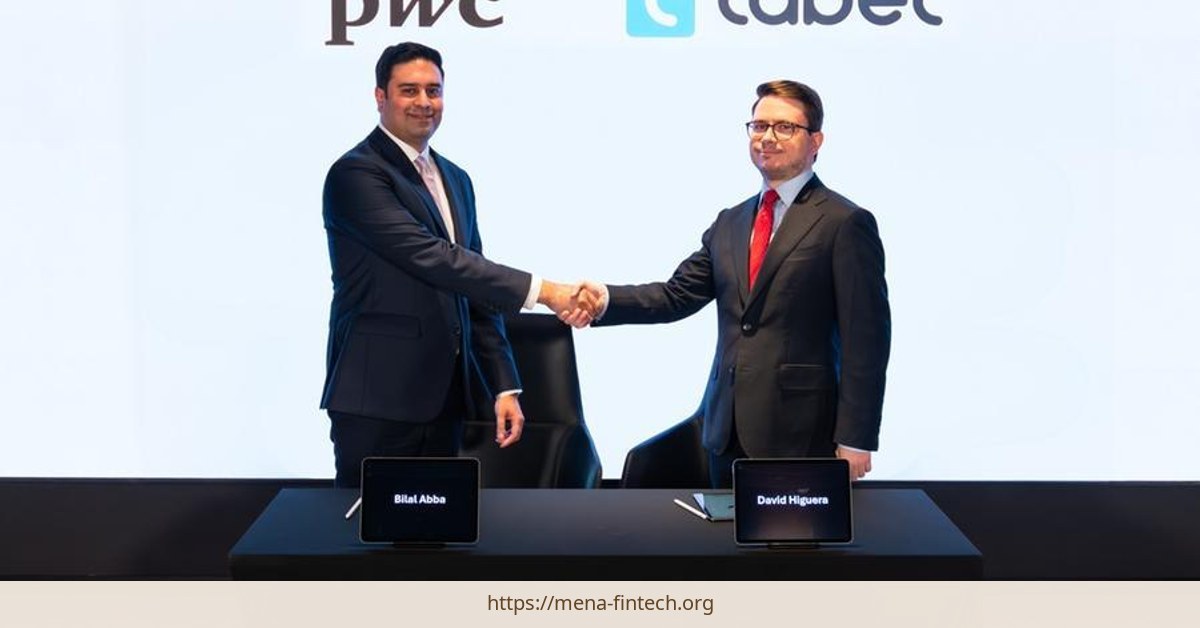
PwC Middle East and Label announced a strategic collaboration on July 15, 2026, to enhance the automation of Tax Exchange of Information technology across the Middle East. The partnership aims to streamline tax processes and improve compliance for businesses in the region.
Collaboration Details
The collaboration focuses on advancing Tax Exchange of Information technology automation. This partnership is expected to enhance tax compliance for businesses operating in the Middle East. PwC Middle East has entered into an exclusive strategic collaboration with Label to enhance the automation of Tax Exchange of Information technology across the Middle East. This partnership aims to streamline tax processes and improve compliance for businesses in the region.
The Tax Exchange of Information (TEI) framework, a critical component of international tax transparency, requires financial institutions to share data with tax authorities in accordance with global standards such as the OECD’s Common Reporting Standard (CRS). In the Middle East, where cross-border financial flows are growing rapidly due to regional trade agreements and digital transformation, compliance with TEI protocols has become a priority for banks, fintechs, and multinational corporations. By automating these processes, PwC and Label aim to reduce manual errors, accelerate data reporting, and ensure adherence to evolving regulatory requirements. This aligns with the broader push by Gulf Cooperation Council (GCC) regulators to modernize tax administration through digital infrastructure, as seen in initiatives like Saudi Arabia’s Vision 2030 and the UAE’s National Strategy for Data and Artificial Intelligence.
Market Implications
This partnership could influence tax compliance practices among fintech companies in the MENA region by leveraging technology to address regulatory challenges. The role of technology partnerships in enhancing regulatory compliance for businesses in the Middle East is becoming increasingly significant as firms seek to navigate complex tax frameworks. The collaboration reflects broader trends in the MENA fintech ecosystem toward integrating automation solutions to meet evolving compliance requirements.
The MENA fintech sector has seen a surge in demand for solutions that address cross-border compliance, particularly as digital banking and e-commerce platforms expand their operations. For instance, the UAE’s Central Bank has mandated that all licensed digital banks implement robust anti-money laundering (AML) and know-your-customer (KYC) systems, while Saudi Arabia’s SAMA has introduced stricter reporting standards for virtual asset service providers. By automating TEI processes, PwC and Label’s collaboration could provide scalable tools for fintechs to meet these requirements without incurring high operational costs. This may also encourage other regional players to adopt similar automation frameworks, potentially standardizing compliance practices across the GCC.
Significance of Automation
This collaboration reflects a growing trend towards automating tax processes, crucial for navigating complex regulatory environments. As businesses in the Middle East face increasing demands for transparency and efficiency in tax reporting, automation solutions like those being developed by PwC Middle East and Label are likely to become standard practice. The partnership underscores the importance of technological innovation in addressing regional regulatory challenges and improving operational efficiency for financial institutions.
The significance of this partnership extends beyond compliance efficiency. In a region where tax evasion and non-compliance have historically posed challenges for regulators, automation can serve as a deterrent by ensuring real-time monitoring and reporting. For example, the Gulf’s reliance on oil revenues has traditionally limited the urgency for tax modernization, but the shift toward a diversified economy has made tax transparency a strategic imperative. By embedding automation into TEI processes, PwC and Label may help regional governments build more resilient tax systems, which could, in turn, attract foreign investment and foster economic stability.
Significance: For MENA fintech, the partnership highlights the convergence of tax compliance and automation technologies, signaling a shift toward more integrated regulatory solutions. For regional financial institutions, the practical question is how effectively this collaboration can translate into scalable, bank-compatible services that meet cross-border compliance standards while maintaining the core intent of tax automation.
The success of this partnership will depend on its ability to address the fragmented regulatory landscape across the Middle East. While the GCC has made strides in harmonizing tax policies, non-GCC countries in the MENA region, such as Egypt and Jordan, still operate under distinct frameworks. PwC and Label’s solution must therefore be adaptable to varying jurisdictional requirements, a challenge that could determine its adoption rate. Additionally, the partnership’s impact on small and medium-sized enterprises (SMEs), which often lack the resources for compliance automation, remains to be seen. If the solution is priced affordably or offered as a subscription-based service, it could democratize access to advanced tax tools, further accelerating digital transformation in the region.
What Wasn’t Disclosed
The announcement did not disclose financial terms, expected merchant volumes, or specific timelines for implementation. It also did not confirm when the first live tax automation solutions would be deployed or which jurisdictions would be prioritized for initial rollout.
The absence of financial details may reflect the early stage of the partnership or a strategic decision to keep negotiations confidential. However, it also raises questions about the scalability of the solution. Without clear metrics on expected user adoption or revenue projections, stakeholders may struggle to assess the partnership’s potential market impact. Similarly, the lack of jurisdictional specifics could delay the rollout, as regional regulators often require localized compliance checks before approving new technologies. This opacity may also affect investor confidence, particularly if the partnership is part of a larger funding round or strategic acquisition that remains undisclosed.
Sources
Image: static.zawya.com