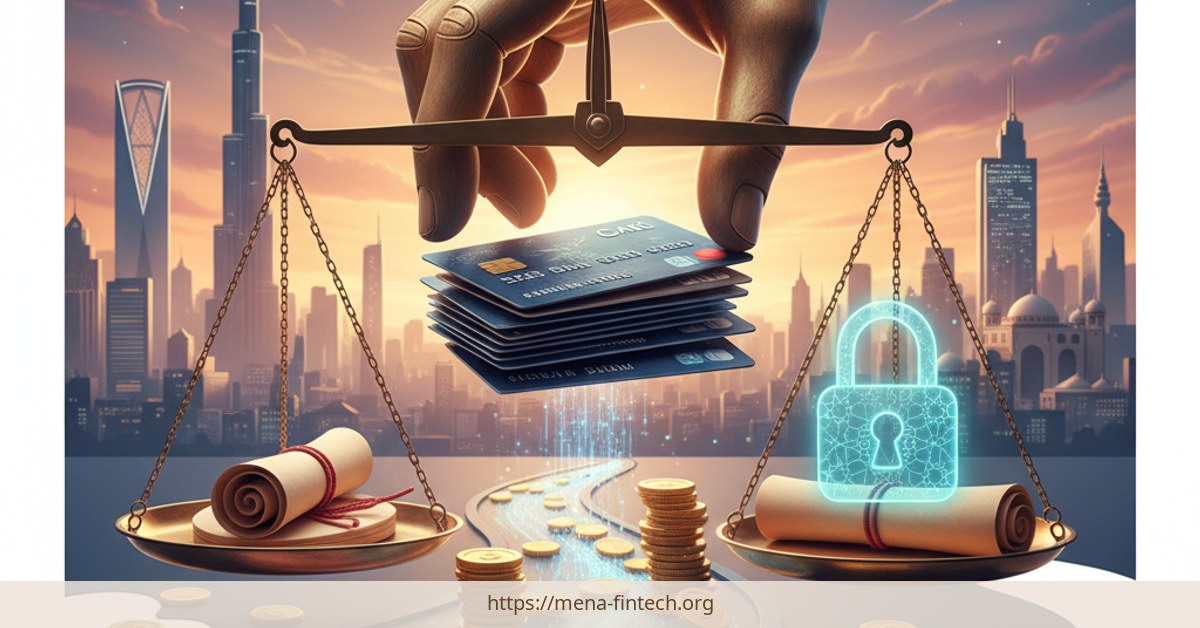
Regulatory changes are now being implemented to address the Buy Now, Pay Later sector, reshaping consumer credit options at checkout.
Implications for Consumer Credit Behavior
Buy Now, Pay Later (BNPL) has traditionally been viewed as a credit option, offering consumers flexibility in managing purchases. However, recent regulatory changes are prompting a reevaluation of how BNPL services are structured and accessed. These adjustments aim to ensure transparency and protect consumers from potential risks associated with deferred payments. As a result, users may be reconsidering their credit choices at checkout, opting for more conventional financing methods or seeking alternatives that align with new compliance standards.
The evolving regulatory landscape is particularly significant in the MENA region, where BNPL adoption has surged alongside the growth of e-commerce and digital payments. According to industry observers, the sector has seen rapid expansion, driven by increasing smartphone penetration and a younger, tech-savvy demographic. However, this growth has outpaced the development of regulatory frameworks, creating a gap that regulators are now addressing. The new rules are designed to standardize practices, requiring BNPL providers to disclose fees, interest rates, and repayment terms upfront. This transparency is expected to reduce the risk of over-indebtedness among consumers, particularly in markets where financial literacy remains a challenge.
For consumers, the shift could mean a more cautious approach to using BNPL services. While the flexibility of splitting payments into installments remains attractive, the added scrutiny may lead to a preference for services with clearer terms or lower costs. This could also encourage greater use of traditional credit products, such as credit cards or installment loans, which are subject to more established regulatory oversight. However, the long-term impact on consumer behavior will depend on how effectively regulators balance innovation with protection, ensuring that BNPL remains a viable and accessible option for a broad range of users.
Fintech Adaptation to New Regulations
Fintech companies operating in the BNPL space are adapting to comply with emerging regulatory requirements. The need for transparency and consumer protection is driving changes in fintech practices, including clearer terms and conditions for users. This shift is likely to influence the operational models of BNPL providers, requiring them to integrate robust compliance frameworks that align with evolving guidelines. Such adaptations could enhance consumer trust while ensuring that fintech services remain competitive in a regulated environment.
The regulatory changes are forcing BNPL providers to reexamine their business models, particularly in the MENA region where the sector is still in its early stages of development. Many fintechs have relied on agile, customer-centric approaches to scale rapidly, but the new rules may necessitate more formalized risk management systems. For example, providers may need to implement stricter credit assessment mechanisms to ensure that users are not overextending themselves financially. This could involve incorporating more sophisticated data analytics to assess repayment capabilities, a move that aligns with broader trends in financial technology toward data-driven decision-making.
Additionally, the requirement for greater transparency may lead to increased collaboration between BNPL providers and traditional financial institutions. Some fintechs may seek partnerships with banks to leverage existing credit infrastructure, ensuring compliance with regulatory standards while maintaining the convenience that has made BNPL popular. This could also open new avenues for innovation, such as integrating BNPL with other financial services like insurance or savings products, creating a more holistic approach to consumer finance.
Impact on Traditional Banking Institutions
Traditional banks in the GCC may need to adjust their credit offerings to compete with BNPL services. Regulatory scrutiny could lead to a reevaluation of lending practices among banks, potentially prompting them to develop products that better align with consumer preferences and regulatory expectations. This could involve revisiting credit scoring models, enhancing digital onboarding processes, or expanding access to credit for underserved segments of the market.
The rise of BNPL has challenged traditional banks to rethink their role in the digital payments ecosystem. While banks have long offered installment loans and credit cards, the convenience and immediacy of BNPL services have attracted a significant portion of the market. To remain competitive, banks may need to innovate their own products, such as introducing flexible repayment options or integrating BNPL-like features into their mobile banking apps. This could also involve leveraging their existing customer relationships to offer bundled financial services that combine credit, savings, and investment products.
Moreover, the regulatory changes may create opportunities for banks to collaborate with fintechs, combining the latter’s agility with the former’s established infrastructure. Such partnerships could help banks navigate the complexities of compliance while offering consumers the benefits of both traditional and digital financial services. However, this will require a strategic shift in how banks approach digital transformation, emphasizing not just technological upgrades but also a deeper understanding of consumer needs in the evolving financial landscape.
Significance: For the MENA fintech market, the regulatory changes reflect a growing recognition of BNPL as a formal credit mechanism, which could influence how financial institutions approach consumer lending. For regional financial institutions and policymakers, the practical question is how to balance innovation with consumer protection while ensuring that regulatory frameworks support sustainable growth in the sector.
The regulatory overhaul of the BNPL sector in MENA is a pivotal moment for the region’s financial ecosystem. By formalizing BNPL as a credit product, regulators are not only addressing risks but also laying the groundwork for a more inclusive and transparent financial system. This could encourage greater participation from both domestic and international investors, who are increasingly looking for markets with clear regulatory structures. For fintechs, the challenge lies in adapting to these new standards without losing the agility that has fueled their growth. Meanwhile, traditional banks must find ways to integrate BNPL-like features into their offerings, ensuring they remain relevant in a rapidly evolving market.
The broader implications of these changes extend beyond individual companies or products. They signal a shift in how the MENA region is approaching financial innovation, prioritizing stability and consumer welfare alongside growth. As the sector matures, the interplay between regulation, technology, and consumer behavior will shape the future of digital payments and credit in the region. For stakeholders, the key will be to navigate this transition strategically, ensuring that the benefits of BNPL—such as increased financial inclusion and convenience—are preserved while mitigating potential risks.
Sources
- BNPL regulation changes the checkout conversation – finextra.com