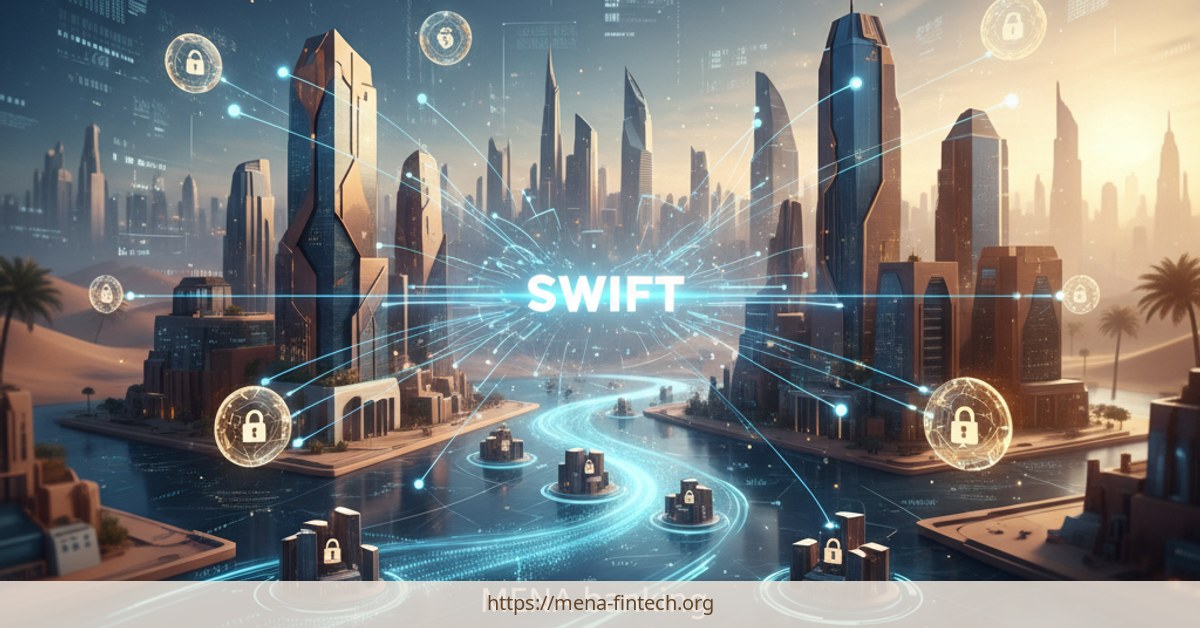
Swift’s pilot program aims to explore the use of tokenized deposits among multiple banks, signaling a shift in banking practices. The initiative, announced by the global payments network, seeks to enhance liquidity and efficiency in cross-border transactions through digital asset representations of traditional deposits.
Tokenized Deposits Pilot Overview
The pilot program by Swift aims to explore the use of tokenized deposits among multiple banks. Tokenized deposits are expected to enhance liquidity and efficiency in banking transactions. This development aligns with broader industry trends toward digital transformation, where financial institutions are increasingly adopting blockchain-based solutions to streamline operations and reduce friction in value transfers.
Tokenized deposits function as digital representations of traditional bank deposits, enabling programmable, real-time settlement of cross-border transactions. By leveraging blockchain technology, banks can tokenize deposits to create standardized, interoperable assets that can be transferred instantly across institutional networks. This approach could significantly reduce the time and cost associated with traditional correspondent banking, which often involves multiple intermediaries and prolonged settlement periods. For the MENA region, where cross-border trade and remittances are critical to economic activity, such innovations could address long-standing inefficiencies in financial infrastructure.
The pilot is part of a broader trend towards digital transformation in the financial industry. By tokenizing deposits, banks can enable faster, more transparent, and programmable transactions, potentially reducing reliance on traditional correspondent banking networks. This approach could also lower settlement risks and improve capital efficiency for institutions operating in the MENA region. The initiative reflects a growing recognition among global financial institutions that digital assets are no longer speculative tools but integral components of modern banking infrastructure.
Regulatory Implications for MENA Banks
The adoption of tokenized deposits introduces regulatory challenges for MENA banks and fintechs. Central banks in the GCC, including the UAE’s Central Bank of the UAE (CBUAE) and Saudi Arabia’s Saudi Central Bank (SAMA), have been cautious in approving blockchain-based financial instruments, emphasizing the need for clear legal frameworks and anti-money laundering (AML) safeguards.
Regulatory bodies in the region are likely to scrutinize the pilot’s compliance with existing banking laws, particularly around custody of digital assets, cross-border transaction reporting, and consumer protection. For instance, the Dubai Financial Services Authority (DFSA) has previously stated that tokenized assets must be fully collateralized and subject to real-time auditing to ensure stability in financial systems. These requirements align with the DFSA’s broader mandate to maintain the integrity of Dubai’s financial sector, which is increasingly influenced by digital innovation.
The cautious regulatory stance in the GCC reflects broader concerns about systemic risk, financial inclusion, and the need to balance innovation with stability. While tokenized deposits could enhance liquidity and reduce operational costs, regulators must ensure that digital assets do not become conduits for illicit financial activity. This necessitates the development of robust frameworks for asset custody, transaction transparency, and cross-border compliance. The pilot’s success will depend on its ability to meet these regulatory expectations while demonstrating tangible benefits for financial institutions and end-users.
Challenges and Opportunities
Banks and fintechs in the MENA region face potential challenges in adopting tokenized deposits, including the need for updated infrastructure, regulatory alignment, and stakeholder education. However, the pilot also presents opportunities for innovation in cross-border payment solutions, particularly for SMEs and trade finance.
The initiative could accelerate the development of regional digital asset exchanges, enabling local institutions to offer tokenized versions of Gulf commodities such as oil, gold, and silver. This would align with existing efforts by entities like the UAE’s ADGM to establish a regulatory sandbox for blockchain-based financial products. By creating a framework for tokenizing physical assets, the pilot could facilitate the emergence of new financial instruments tailored to the region’s economic needs, such as commodity-backed stablecoins or trade finance tokens.
For SMEs, tokenized deposits could reduce the complexity and cost of international trade by enabling instant, transparent settlements. This is particularly relevant in the MENA region, where SMEs often face barriers to accessing traditional banking services. Additionally, the pilot may pave the way for greater collaboration between banks and fintechs, fostering an ecosystem where blockchain-based solutions complement existing financial infrastructure rather than replace it.
Significance: For MENA fintech, the pilot reflects the growing convergence of payment infrastructure and digital assets in the region. It also highlights the potential for blockchain providers to collaborate with regulated financial institutions rather than displacing them. For regional banks and regulators, the practical question is whether the pilot can translate into licensed, bank-compatible services across multiple jurisdictions while addressing compliance and operational risks.
The announcement did not disclose investment size, ownership terms, regulatory approvals, named banking partners, launch markets, or committed transaction volumes. It also did not confirm when the first live corridor or commodity product would move into production.