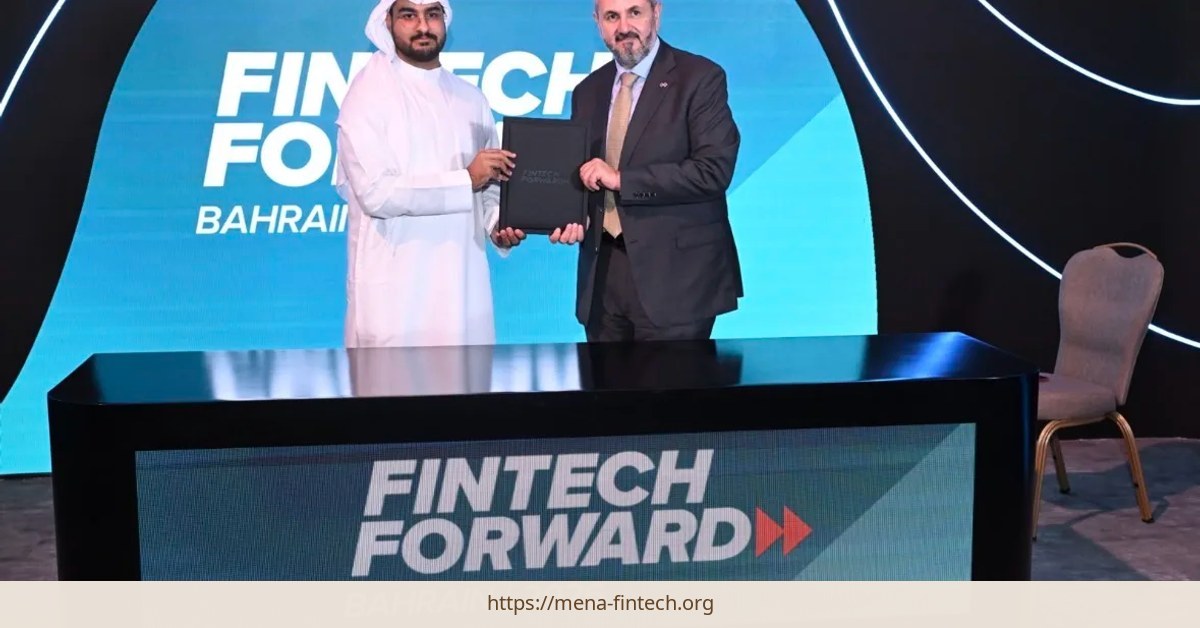
Tarabut signed a memorandum of understanding with Khaleeji Bank on October 12, 2026, during the FinTech Forward 2026 event. The agreement aims to develop digital banking channels and enhance customer experience through open banking connectivity and financial data analytics technology. This partnership marks a significant step in Bahrain’s ongoing efforts to position itself as a regional leader in digital financial innovation, leveraging Tarabut’s open banking infrastructure to support Khaleeji Bank’s expansion of digital services.
Tarabut, a Bahrain-based financial technology company, will provide Khaleeji Bank with tools to improve transaction processing, customer onboarding, and data-driven financial insights. The collaboration aligns with broader trends in the Middle East and North Africa (MENA) region, where financial institutions are increasingly adopting open banking frameworks to modernize operations and meet evolving customer expectations. By integrating Tarabut’s technology, Khaleeji Bank can offer customers faster, more secure, and personalized digital banking experiences, potentially setting a precedent for other regional banks to follow.
Significance of the Partnership
For the MENA fintech ecosystem, this agreement underscores the growing adoption of open banking solutions in Bahrain and the broader Gulf Cooperation Council (GCC). The partnership highlights the role of fintech enablers in driving financial inclusion and operational efficiency across traditional banking systems. By leveraging open banking connectivity, Khaleeji Bank can streamline its digital offerings, reduce friction in customer interactions, and provide tailored financial products based on real-time data analytics. This could catalyze a shift in how banks in the region approach customer engagement, particularly as demand for seamless digital services continues to rise.
The practical question for market participants is whether this model can be scaled across other Gulf banks without regulatory friction. While the MoU outlines a strategic direction, the absence of specific implementation timelines, investment figures, or regulatory approvals means the full impact remains to be seen. Regional banks and fintechs will need to monitor how this collaboration translates into tangible services and compliance frameworks. For instance, the success of this partnership may depend on the alignment of Bahrain’s regulatory environment with the technical requirements of open banking, which could influence similar initiatives in neighboring countries.
What Wasn’t Disclosed
The announcement did not specify the financial terms of the partnership, including investment size or revenue-sharing models. This lack of detail raises questions about the scale of the collaboration and the financial commitments of both parties. Additionally, the agreement did not provide clear timelines for the deployment of new digital banking features, leaving uncertainty about when customers might begin to see changes in their banking experience. These gaps leave questions about the partnership’s immediate execution and long-term viability.
The absence of confirmation regarding other stakeholders, such as regulators or third-party service providers, further complicates the picture. Regulatory involvement is critical for open banking initiatives, as they often require oversight to ensure data security, interoperability, and compliance with local financial laws. Without clarity on whether Bahrain’s central bank or other regulatory bodies are actively involved, it remains unclear how this partnership will navigate the legal and operational challenges inherent in open banking ecosystems.
Sources
- Tarabut Signs MoU with Khaleeji Bank to Enhance Digital Banking in Bahrain – menastartupdigest.com
Image: bizbahrain.com