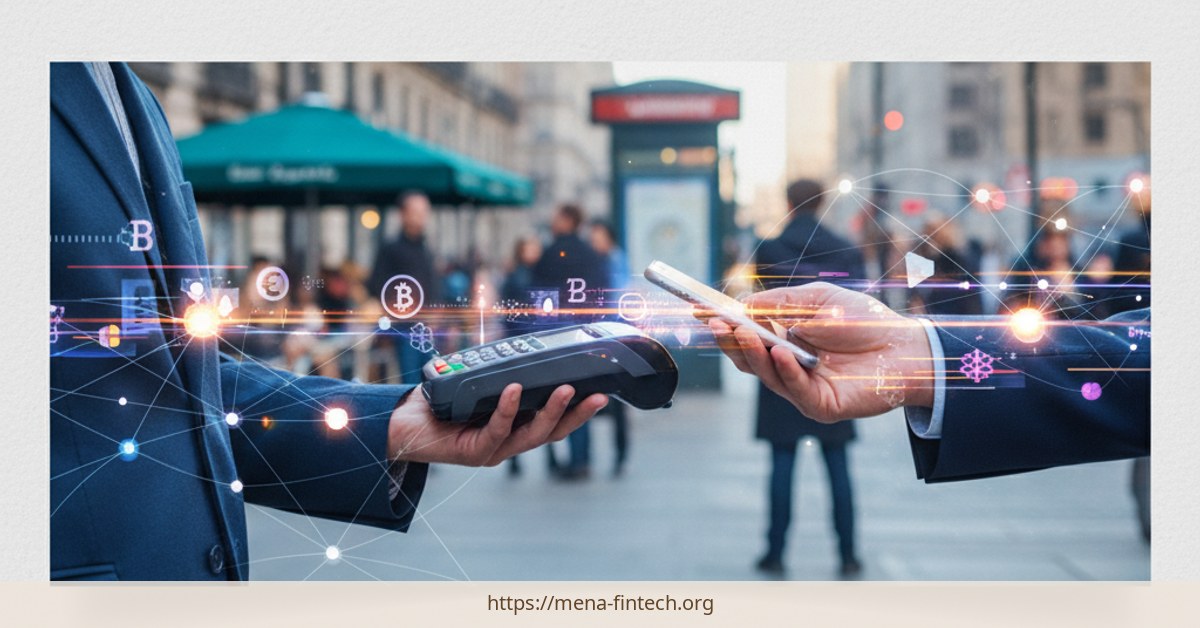
Biometric technology is becoming increasingly important in enhancing payment security as consumers demand instant and seamless transactions.
Biometric Solutions in Payment Security
The payments industry has entered an era where consumers expect instant and seamless transactions. Biometric technology, including fingerprint scanning, facial recognition, and voice authentication, is being integrated into payment systems to address security challenges. In the MENA region, fintech companies are adopting these solutions to mitigate fraud and improve user experience. For example, biometric authentication is already used in mobile banking apps and digital wallets to verify user identities securely. However, the region faces unique challenges, including varying regulatory frameworks and consumer acceptance levels.
The integration of biometric solutions in the MENA fintech ecosystem reflects a broader global trend toward frictionless digital transactions. As mobile penetration and smartphone adoption rise across the region, the demand for secure yet convenient payment methods has intensified. Biometric authentication offers a dual benefit: it reduces the risk of traditional security vulnerabilities such as stolen passwords or PINs while streamlining the user journey. This is particularly relevant in the context of the region’s rapid digital transformation, where governments and private sector actors are pushing for greater financial inclusion through digital infrastructure.
In the UAE and Saudi Arabia, for instance, the adoption of biometric payments aligns with national strategies to position the GCC as a global hub for innovation. The UAE’s Smart Dubai initiative and Saudi Arabia’s Vision 2030 both emphasize the need for advanced digital services, including secure payment systems. Fintech firms in these markets are leveraging biometric technology to meet these objectives, though they must navigate the complexities of local regulatory environments and consumer behavior.
Regulatory Implications of Biometric Adoption
Existing regulations in the MENA region, such as those from the UAE’s Central Bank and Saudi Arabia’s SAMA, emphasize data privacy and consumer protection. The adoption of biometric technology requires alignment with these frameworks to ensure compliance. Regulatory bodies are exploring guidelines for biometric data storage, consent mechanisms, and cross-border data transfers. For instance, the UAE’s ADGM has proposed standards for biometric data handling in financial services, which could influence broader regional policies. However, the lack of harmonized regulations across GCC countries may create operational complexities for fintech firms.
The regulatory landscape for biometric data in the MENA region is still evolving, with significant variations in how different jurisdictions approach data governance. In the UAE, the ADGM’s proposed standards reflect a proactive stance, aiming to establish a clear legal framework for biometric data usage in financial services. This includes requirements for secure storage, encryption protocols, and explicit user consent. In contrast, other GCC countries may have less developed regulatory frameworks, creating a patchwork of compliance requirements that fintechs must manage.
Cross-border data transfers pose another challenge, particularly for firms operating in multiple GCC markets. The absence of a unified regulatory approach means that data localization laws, which require biometric data to be stored within specific jurisdictions, could hinder the scalability of biometric payment solutions. This necessitates careful legal planning and collaboration with local authorities to ensure compliance without compromising the user experience.
Consumer Perceptions of Biometric Security
Consumer trust is a critical factor in the success of biometric payment solutions. Surveys indicate that while users value the convenience of biometric authentication, concerns about data privacy and security persist. In the MENA region, where digital adoption is rapid, educating consumers about the safeguards in place is essential. Fintech companies are addressing these concerns through transparent communication and partnerships with trusted institutions. Nevertheless, challenges remain in ensuring widespread acceptance, particularly among older demographics and in regions with lower internet penetration.
The perception of biometric security is influenced by cultural and socioeconomic factors. In some parts of the MENA region, there is a higher level of skepticism toward digital technologies, particularly among older generations who may be less familiar with smartphones and digital banking. Additionally, in rural areas with limited internet access, the infrastructure required to support biometric authentication—such as high-speed connectivity and reliable mobile networks—may not be fully developed. These factors contribute to a slower adoption rate in certain segments of the population.
To address these challenges, fintech firms are implementing targeted education campaigns and partnering with local community leaders to build trust. For example, some banks in the UAE have launched initiatives to demonstrate the security features of biometric payments through in-person workshops and digital content tailored to different age groups. These efforts aim to demystify the technology and highlight its benefits, such as reduced transaction times and enhanced security against fraud.
Significance: For the MENA fintech ecosystem, the integration of biometric solutions represents a pivotal shift toward secure, user-centric payment systems. This development aligns with the region’s push for digital transformation and could position GCC countries as leaders in biometric payment innovation. For market participants, the practical question is how to balance regulatory compliance, consumer education, and technological implementation to scale biometric solutions effectively across diverse markets.
What wasn’t disclosed: The announcement did not specify investment sizes, ownership structures, regulatory approvals, or named banking partners. It also did not confirm timelines for widespread deployment or detailed consumer adoption metrics.
Sources
- The role of biometrics in enhancing payment security – finextra.com