
Microsoft has struck a deal to integrate S&P Global AI-ready data into its 365 Copilot workflows. The partnership aims to enhance agentic experiences for users of Microsoft 365 by embedding S&P Global’s financial data and analytics directly into the platform’s AI-driven workflows.
Integration Details
Microsoft and S&P Global have announced a collaboration to incorporate AI-ready data and analytics into Microsoft 365 Copilot. This integration will allow users to access real-time financial insights, market data, and analytics directly within their productivity workflows. The partnership positions Microsoft 365 as a more comprehensive tool for businesses requiring advanced data analytics capabilities, particularly in the financial services sector.
The integration is expected to streamline decision-making processes by providing users with immediate access to high-quality financial data. S&P Global’s data, which includes market indices, credit ratings, and economic indicators, will be accessible through Copilot’s AI interface, enabling users to generate insights without leaving their primary work environment. This seamless access to financial data aligns with the broader trend of embedding analytics into productivity platforms, a development that has gained momentum as enterprises seek to reduce latency in data-driven decision-making. The partnership also reflects Microsoft’s strategic push to consolidate its position in enterprise software by offering end-to-end solutions that combine productivity tools with data intelligence.
Impact on MENA Fintech
For fintech companies in the MENA region, this integration could represent a significant advancement in data analytics capabilities. Enhanced access to real-time financial data may improve risk assessment, investment strategies, and compliance processes for regional financial institutions. The move aligns with broader trends in the MENA fintech ecosystem, where demand for embedded financial services and AI-driven analytics is growing. In countries like the UAE and Saudi Arabia, where digital transformation initiatives are accelerating, the ability to integrate financial data into existing workflows could reduce operational friction for banks and fintechs alike.
The partnership also highlights Microsoft’s expanding influence in the MENA fintech market. By integrating S&P Global’s data, Microsoft strengthens its position as a provider of end-to-end financial technology solutions, potentially increasing its competitive edge against other tech firms offering similar services. This is particularly relevant in the GCC, where financial institutions are increasingly adopting AI and machine learning to optimize lending processes, fraud detection, and customer personalization. The availability of S&P Global’s data within Microsoft 365 Copilot could enable regional players to refine their algorithms and improve the accuracy of predictive models used in credit scoring and portfolio management.
Regulatory Implications
Improved data analytics capabilities may aid fintech companies in meeting regulatory compliance requirements. With access to S&P Global’s data, firms could enhance their ability to monitor market trends, assess credit risks, and generate reports that align with regional and international regulatory standards. This could be particularly relevant for institutions operating in highly regulated environments such as the UAE’s financial sector, where the Central Bank of the UAE (CBUAE) has been emphasizing the need for robust risk management frameworks. The integration may also support compliance with international standards like Basel III, which require banks to maintain rigorous capital adequacy ratios and stress-testing protocols.
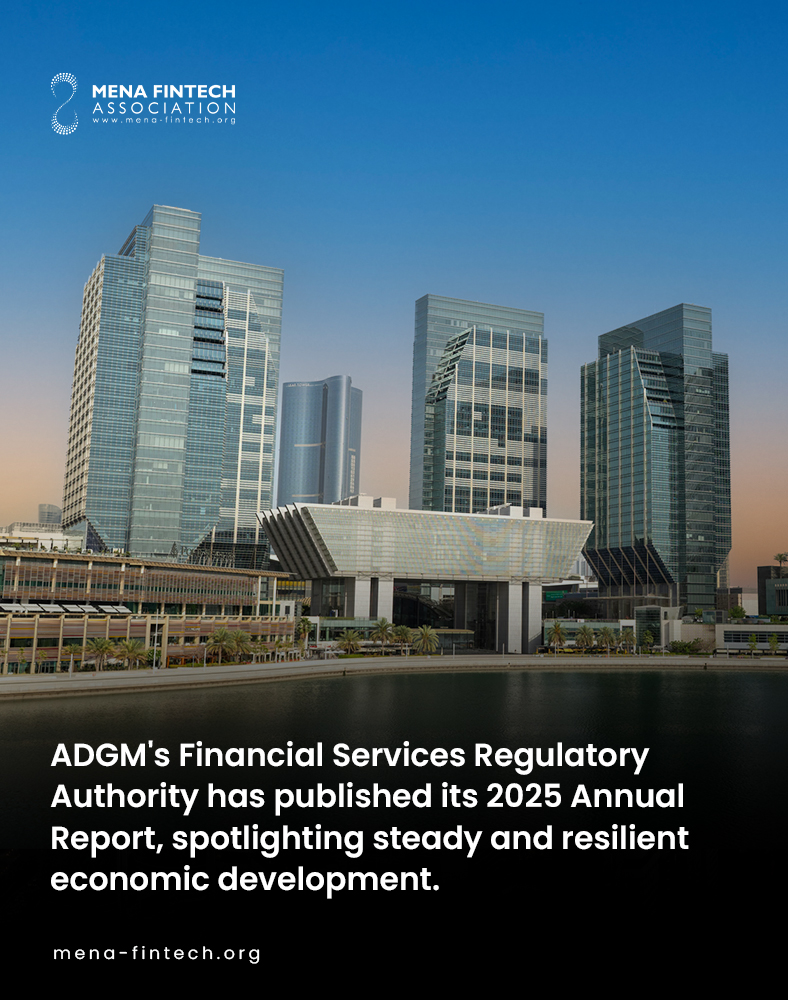
However, the integration also raises questions about data governance and regulatory oversight. As AI-driven analytics become more integrated into financial workflows, regulators may need to establish clearer guidelines to ensure transparency, accuracy, and ethical use of AI in financial decision-making. In the MENA region, where regulatory sandboxes and innovation hubs are being developed to foster fintech growth, this partnership could prompt discussions on the need for standardized frameworks governing AI-driven financial tools. For instance, the Abu Dhabi Global Market (ADGM) has been exploring regulatory approaches for AI in finance, and this integration may serve as a case study for balancing innovation with oversight.
Significance: For the MENA fintech market, the partnership reflects a growing shift toward embedding advanced data analytics into productivity tools, enabling financial institutions to leverage AI for strategic decision-making. The practical question for regional stakeholders is whether this integration will translate into tangible benefits for SMEs, banks, and fintechs seeking to enhance their operational efficiency and compliance frameworks. Given the region’s focus on digital transformation, the integration could also influence the adoption of open banking models, where third-party providers access financial data through standardized APIs. However, the success of this initiative will depend on the extent to which regional players can integrate the data into their existing systems and train personnel to use AI-driven insights effectively.
What wasn’t disclosed: The announcement did not specify financial terms, timelines for full integration, or named regional partners. It also did not confirm when the first use cases or pilot programs would be deployed in the MENA region.
Sources
- S&P Global data integrated into Microsoft 365 Copilot – finextra.com