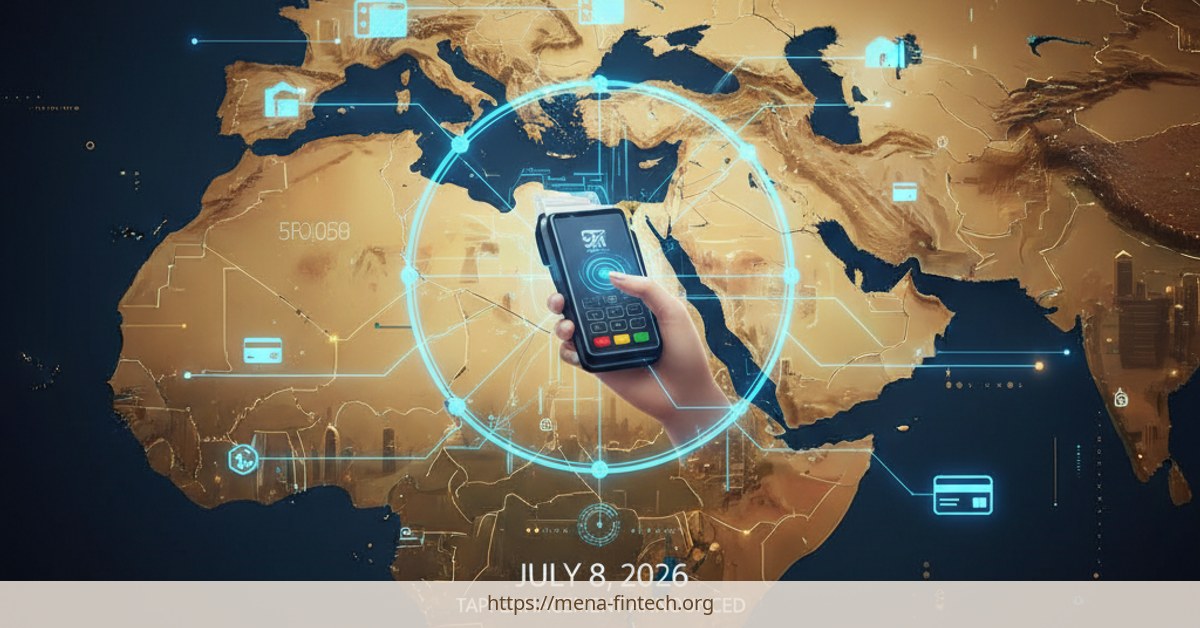
Alipay announced the enhancement of its Tap! services on July 8, 2026, transforming its devices into an AI agent-powered network. The upgrade aims to build the world’s first large-scale AI-powered offline business operations network, potentially impacting millions of merchants globally.
AI-Powered Tap! Devices
The upgrade involves transforming Alipay Tap! devices into an AI agent-powered network. This initiative is designed to enhance offline business operations by integrating AI capabilities into payment systems. Alipay’s Tap! devices, currently used by millions of merchants, will now leverage AI to streamline transactions and improve operational efficiency. The integration of AI agents is expected to enable real-time data processing, dynamic pricing adjustments, and personalized customer insights, all of which are critical for optimizing small and medium-sized enterprises (SMEs) in fast-paced retail environments. The technology could also reduce manual intervention in transaction reconciliation and inventory management, allowing merchants to focus on core business activities.
Implications for MENA Merchants
Millions of merchants in the MENA region currently use Alipay Tap! devices. The integration of AI into these devices aligns with the growing trend of AI adoption in the fintech sector, particularly in the GCC, where digital payment solutions are rapidly evolving. In countries like the UAE and Saudi Arabia, where cashless transactions are increasingly normalized, AI-powered tools could further accelerate the shift toward data-driven decision-making. For example, merchants in crowded markets or high-traffic retail hubs may benefit from AI’s ability to handle large volumes of transactions with minimal latency. Additionally, the technology could support localized features such as multilingual interfaces or region-specific compliance checks, which are essential for cross-border or multi-currency operations in the MENA region. This development could also encourage competition among fintech players, pushing others to innovate in areas like AI-driven analytics or predictive inventory systems to retain market share.
Potential Regulatory Responses
The integration of AI into payment systems may prompt regulatory bodies in the MENA region to reassess existing frameworks. As AI-powered solutions become more prevalent, regulators may focus on ensuring compliance, data security, and consumer protection. In the GCC, where central banks have been proactive in shaping digital finance policies, this could lead to updated guidelines on AI transparency, bias mitigation, and data privacy. For instance, the Saudi Central Bank or the UAE’s Central Bank of the UAE (CBUAE) might require fintechs to demonstrate how their AI models adhere to regional data localization laws or prevent algorithmic discrimination in transaction approvals. Such measures could influence the pace of adoption, as companies may need to invest in compliance infrastructure before deploying AI-enhanced tools. The competitive dynamics among fintech companies in the GCC could also be reshaped by this technological advancement, with early adopters potentially gaining a regulatory edge or facing stricter scrutiny if their systems lack robust safeguards.
Significance: For the MENA fintech market, the partnership reflects a broader shift toward embedded financial distribution, where merchant platforms are used to surface banking and credit products inside day-to-day business tools. For banks, acquirers, and SME-focused fintechs across MENA, the deal underscores the growing overlap between payment infrastructure, digital banking, and working-capital access. This integration may also create new opportunities for cross-selling financial services, such as instant credit lines or dynamic pricing models tied to transaction data. However, market participants must consider how to balance innovation with the need for regulatory alignment, particularly in jurisdictions where AI governance frameworks are still in development. The question remains: How will regional regulators and financial institutions adapt to ensure that AI-driven payment systems enhance, rather than disrupt, existing financial ecosystems?
What wasn’t disclosed: The announcement did not disclose investment size, ownership terms, regulatory approvals, named banking partners, launch markets, or committed transaction volumes. It also did not confirm when the first live corridor or commodity product would move into production. These gaps could affect stakeholder confidence, as investors and partners may require clarity on scalability, profitability, and compliance timelines before committing resources. Additionally, the absence of specific metrics on user adoption or performance benchmarks leaves room for speculation about the technology’s readiness for large-scale deployment.
Sources
- Alipay upgrades Tap! devices for agentic commerce – finextra.com