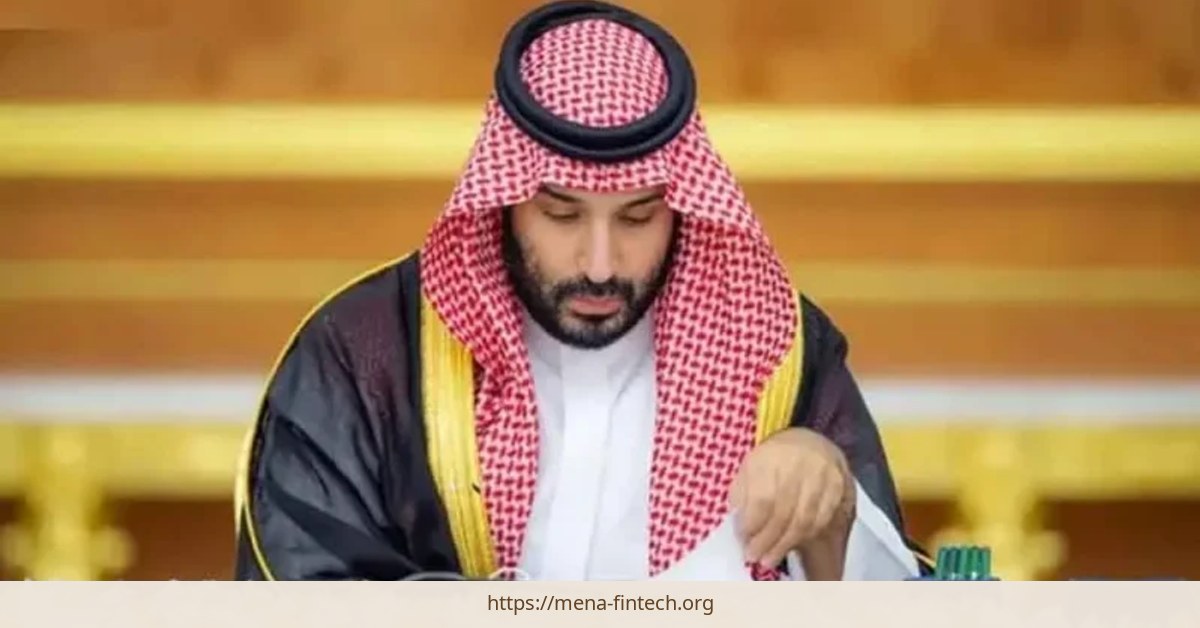
The Saudi Cabinet approved a national strategy for entrepreneurship and SMEs on September 15, 2026, during a meeting chaired by Crown Prince Mohammed bin Salman.
Details of the New Strategy
The strategy aims to foster entrepreneurship and support SMEs in Saudi Arabia. It is part of broader efforts to enhance the startup ecosystem and stimulate economic growth. The decision was made during a Cabinet meeting in Jeddah. The initiative includes measures to strengthen innovation, improve access to financing, and create a regulatory environment conducive to business expansion. These measures are designed to address systemic challenges facing SMEs, such as limited access to capital and bureaucratic hurdles, while encouraging the development of new business models and technologies.
Alignment with Vision 2030
The strategy supports economic diversification and reduces dependence on oil revenues. It promotes innovation and entrepreneurship as key drivers of growth. The initiative is expected to create new job opportunities and stimulate investment. By aligning with Vision 2030, the strategy reinforces Saudi Arabia’s commitment to building a knowledge-based economy and reducing reliance on hydrocarbon exports. Vision 2030, launched in 2016, has already prioritized sectors such as technology, tourism, and renewable energy, and this new focus on SMEs and entrepreneurship represents a continuation of that trajectory.
Government Support for SMEs
Government initiatives are crucial for the growth of SMEs. Support mechanisms may include funding, training, and regulatory easing. The strategy reflects a commitment to improving the business environment for startups. This includes measures to simplify licensing processes, provide tax incentives, and expand access to credit for small businesses. These steps are intended to lower barriers to entry for new entrepreneurs and ensure that existing SMEs can scale operations without being constrained by regulatory complexity or financial limitations.
Significance
For the MENA fintech ecosystem, the strategy could position Saudi Arabia as a leading hub for innovation in the region. It may influence other MENA countries to adopt similar initiatives. The practical question for market participants is how effectively the strategy will be implemented and whether it will translate into measurable economic growth and startup success. The potential for Saudi Arabia to become a regional innovation leader hinges on the execution of these policies, including the availability of resources, the responsiveness of the private sector, and the adaptability of the regulatory framework to emerging technologies.
What wasn’t disclosed
The announcement did not disclose specific funding allocations, timelines for implementation, or detailed metrics for success. It also did not clarify the exact mechanisms for distributing support to SMEs or the role of private sector partners in executing the strategy. The absence of these details raises questions about the strategy’s operational feasibility and the clarity of its objectives for stakeholders.
Sources
- Saudi Cabinet Approves Entrepreneurship and SME Strategy – menastartupdigest.com
Image: storage.albiladpress.com