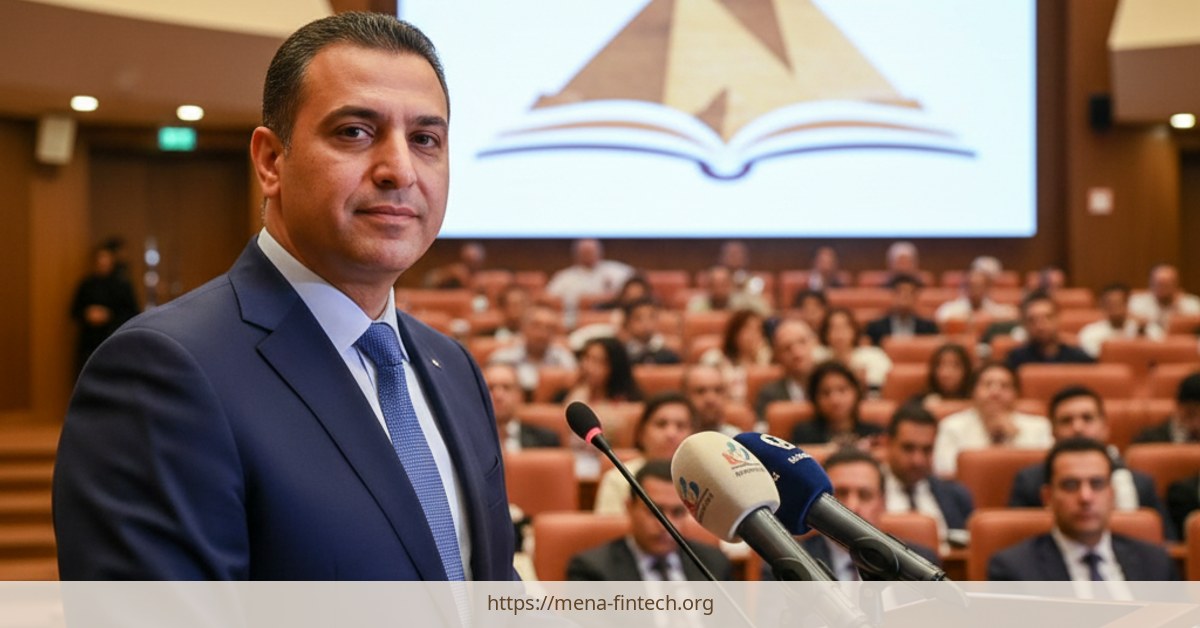
Adel Abdel Ghaffar, spokesperson for Egypt’s Ministry of Higher Education and Scientific Research, announced a strategic initiative to integrate artificial intelligence (AI) into higher education, research, and innovation. The ministry is prioritizing computer science and AI programs across more than 100 faculties nationwide, reflecting a broader push to align Egypt’s academic landscape with the demands of a rapidly evolving digital economy. This expansion aims to enhance graduates’ technical capabilities, particularly in fields such as fintech, where AI-driven solutions are reshaping financial services and data analytics.
Impact on Job Market
The initiative is expected to address a critical gap in the workforce by equipping graduates with skills in AI, machine learning, and data science—areas increasingly vital to Egypt’s technology-driven industries. With the fintech sector expanding rapidly, the improved AI education could position Egyptian graduates to fill roles in algorithm development, predictive analytics, and automated financial services. This aligns with regional trends where digital literacy and technical proficiency are becoming prerequisites for competitiveness in the global market. By embedding AI into curricula, universities aim to ensure that students are not only theoretically trained but also capable of applying these technologies in real-world scenarios, thereby reducing the skills mismatch between academia and industry needs.
Potential Partnerships
The expansion of AI programs may catalyze collaborations between universities and fintech companies, creating opportunities for students to engage in practical training. These partnerships could involve internships, joint research projects, or industry-sponsored courses that focus on AI applications in financial services, such as fraud detection, personalized banking, and blockchain integration. Such collaborations would not only enhance students’ hands-on experience but also facilitate direct job placements in emerging tech sectors. While the announcement did not specify which companies might participate, the potential for industry-academia synergy is evident in similar initiatives in the Gulf Cooperation Council (GCC) countries, where fintech firms have partnered with universities to develop tailored training programs.
Government Policy Influence
The Ministry of Higher Education and Scientific Research is spearheading this initiative, underscoring government support for technology integration in education. Policy frameworks are likely to play a pivotal role in ensuring that AI programs align with national priorities for innovation and economic development. For instance, Egypt’s National Strategy for Scientific and Technological Development emphasizes the need to foster a knowledge-based economy, and AI education is a cornerstone of this vision. The government’s role extends to providing infrastructure, funding, and regulatory clarity to enable universities to implement these programs effectively. However, the announcement did not disclose specific funding amounts or timelines for program implementation, leaving questions about the scale and pace of the initiative.
Significance
The expansion of AI education in Egyptian universities reflects a growing recognition of technology’s transformative potential in shaping the future of work. By embedding AI into academic tracks, Egypt aims to position itself as a regional hub for tech talent, attracting investment and fostering innovation in sectors such as fintech, healthcare, and logistics. For market participants, the practical question remains: How will these programs translate into measurable workforce readiness? Will they attract international partnerships or investment in Egypt’s tech ecosystem? The success of this initiative will depend on the alignment between academic training, industry needs, and policy support, ensuring that graduates are not only technically proficient but also adaptable to the dynamic demands of the digital economy.
What wasn’t disclosed: The announcement did not specify funding amounts, timelines for program implementation, or details about potential industry partnerships. It also did not clarify how the initiative will be evaluated for impact or success metrics.
Sources
- Egyptian Universities Expand AI Programs Across Higher Education – menastartupdigest.com