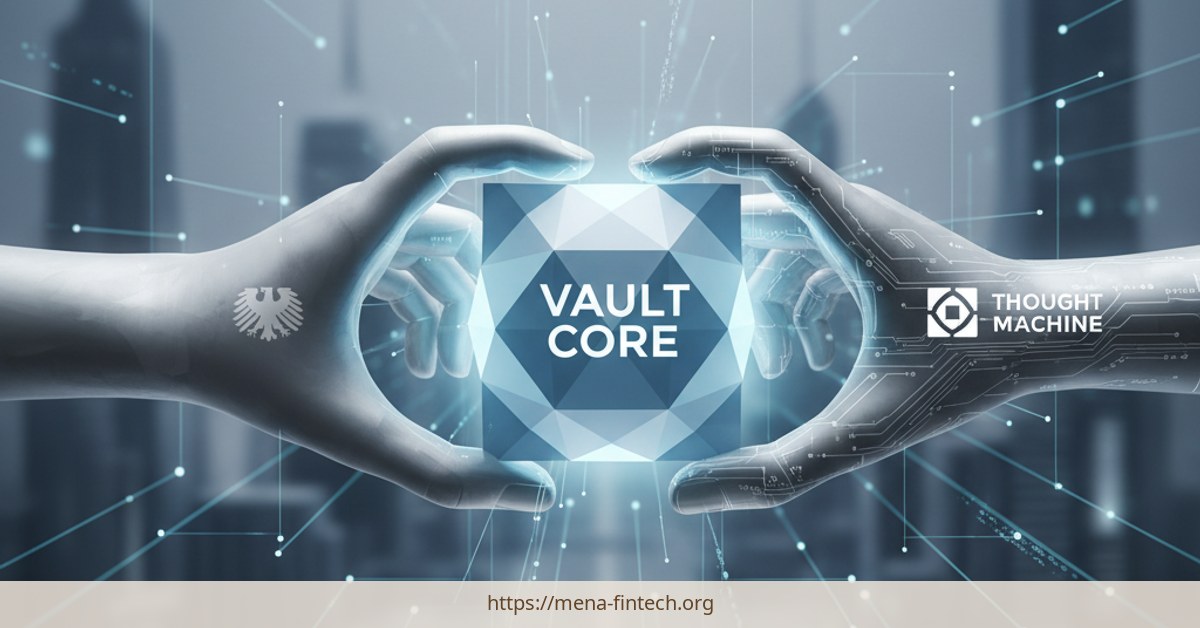
Deutsche Bank’s Private Bank has selected Vault Core from Thought Machine to streamline its core banking systems.
Implications for MENA Fintech
The initiative is part of a broader programme to reduce the number of core banking systems from 15 to two. This transformation reflects a broader trend in the banking sector towards digitalization and efficiency. For MENA fintech, the move highlights the growing adoption of cloud-based infrastructure by global banks, which may encourage regional institutions to accelerate their own digital transformation efforts. The shift could increase competition in the MENA market, particularly as fintechs position themselves as agile alternatives to traditional banking models.
The consolidation of core banking systems by Deutsche Bank aligns with the region’s increasing reliance on cloud-native solutions to address scalability, security, and cost-efficiency challenges. In the MENA region, where digital banking adoption has been rising steadily, this decision underscores the importance of modern infrastructure in supporting real-time transactions, personalized customer experiences, and compliance with evolving regulatory frameworks. Regional banks and fintechs may face pressure to adopt similar strategies to remain competitive, particularly as younger demographics and tech-savvy consumers demand seamless digital services.
The move also signals a potential shift in the competitive dynamics of the MENA fintech ecosystem. Traditional banks, often burdened by legacy systems, may find themselves at a disadvantage against agile fintechs that leverage cloud-based platforms for faster innovation cycles. This could drive further collaboration between established financial institutions and fintechs, as seen in recent partnerships in the UAE and Saudi Arabia, where banks are integrating third-party solutions to enhance their digital offerings.
Role of Thought Machine
Thought Machine’s Vault Core is positioned as a key player in modernizing banking systems. The partnership underscores the rising importance of fintech collaborations in the MENA region, where banks are increasingly seeking third-party solutions to enhance operational efficiency. Thought Machine’s technology, which enables banks to run core banking functions on cloud platforms, aligns with the region’s push for scalable, secure, and cost-effective financial infrastructure.
Vault Core’s modular architecture allows for rapid deployment and customization, addressing the specific needs of regional markets. For instance, in the MENA region, where regulatory requirements vary across countries, the platform’s flexibility could help banks comply with local mandates while maintaining a unified operational framework. This is particularly relevant as GCC countries like the UAE and Saudi Arabia continue to implement open banking initiatives, which require interoperable systems and data-sharing capabilities.
The adoption of Vault Core by Deutsche Bank also highlights the growing trust in fintech solutions among global financial institutions. Thought Machine’s platform has been deployed by several international banks, demonstrating its ability to handle complex banking operations in diverse regulatory environments. This credibility may encourage other regional banks to explore similar partnerships, further accelerating the adoption of cloud-based core banking systems in the MENA market.
Significance
For the MENA fintech ecosystem, this development signals a continuation of the global shift toward cloud-native banking solutions. The practical question for market participants is how quickly regional banks and fintechs can adapt to these technological changes while meeting local regulatory requirements. As Deutsche Bank consolidates its systems, the move may set a precedent for other institutions in the GCC to adopt similar strategies, potentially reshaping the competitive landscape.
The transition to cloud-based core banking systems could have far-reaching implications for the MENA region. By reducing reliance on legacy infrastructure, banks can lower operational costs, improve system resilience, and enhance customer engagement through data-driven insights. However, the success of such initiatives depends on the ability of regional institutions to navigate regulatory hurdles, invest in digital talent, and ensure cybersecurity measures are robust enough to protect sensitive financial data.
The decision also raises questions about the pace of digital transformation across the region. While some GCC countries have made significant strides in adopting fintech innovations, others may lag due to fragmented regulatory frameworks or limited investment in digital infrastructure. This disparity could create opportunities for fintechs to fill gaps in underserved markets, particularly in areas such as cross-border payments, digital wallets, and embedded finance.
What wasn’t disclosed in the announcement includes the financial terms of the partnership, the timeline for implementation, and specific regulatory approvals required for the transition. These details remain critical for assessing the full scope of the initiative. The absence of such information may also reflect the complexity of integrating cloud-based systems into existing banking operations, which could involve significant technical and organizational challenges.