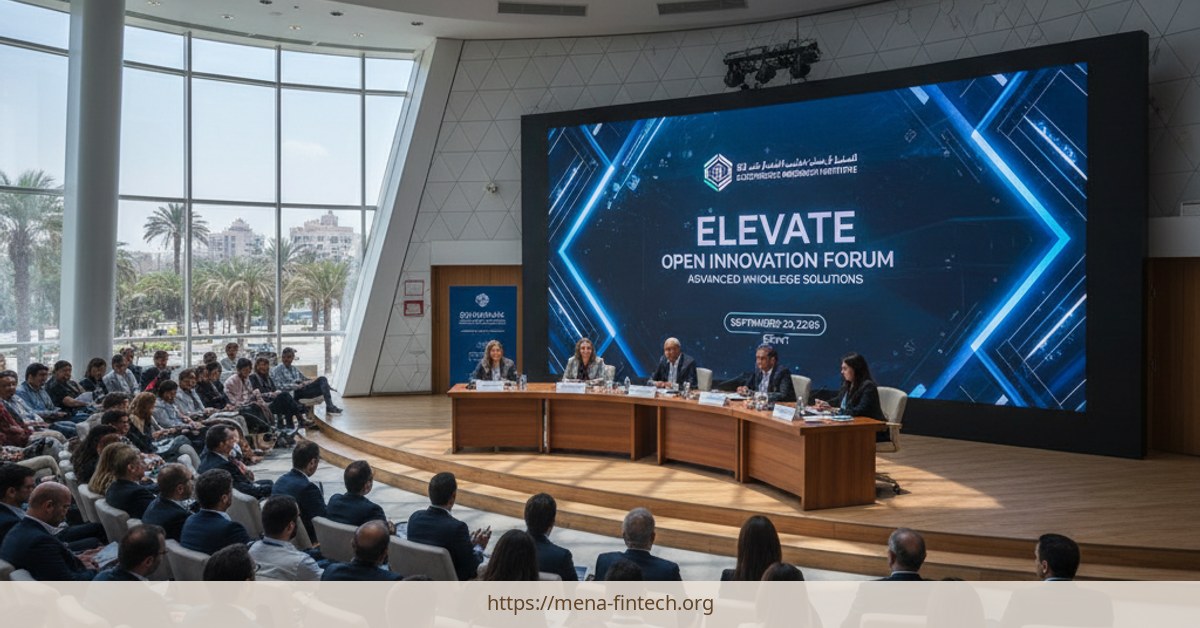
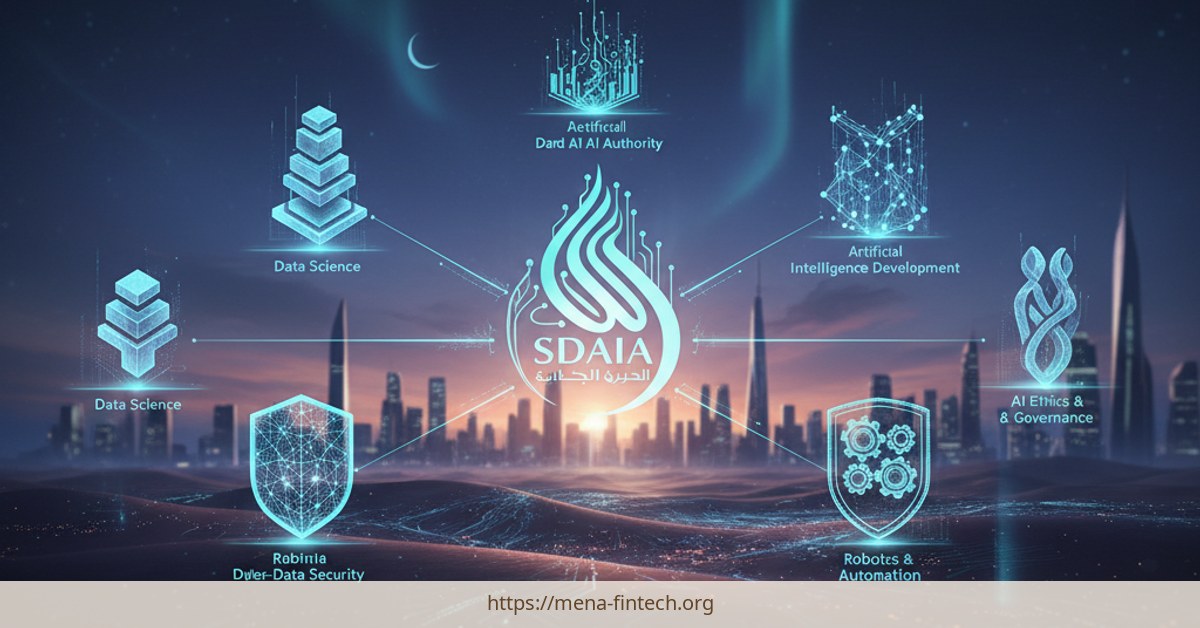
The Saudi Data and AI Authority (SDAIA) launched five national frameworks for data and AI skills in Saudi Arabia during the UNESCO Global Forum on the Ethics of Artificial Intelligence 2026 in Riyadh. The initiative underscores the kingdom’s commitment to building a technologically advanced workforce and aligning its AI strategies with global standards.
Framework Overview
The five frameworks are designed to address critical gaps in data and AI education and training across four key areas: general education, higher education, vocational training, and workforce development. Each framework targets specific segments of the population, from students in primary and secondary schools to professionals seeking upskilling opportunities. The frameworks were formally announced during the UNESCO Global Forum on the Ethics of Artificial Intelligence 2026, a high-profile event that brings together global experts to discuss ethical AI practices and policy.
The frameworks aim to create a cohesive national strategy for data literacy and AI proficiency, ensuring that Saudi Arabia’s workforce is equipped to meet the demands of a digital economy. By integrating AI and data science into curricula at all educational levels, the initiative seeks to cultivate a pipeline of skilled professionals capable of driving innovation in sectors such as healthcare, finance, and smart infrastructure.
Impact on Workforce and Education
The frameworks are expected to have a transformative effect on Saudi Arabia’s education system and labor market. By embedding AI and data science into higher education programs, universities and technical institutes will be better positioned to produce graduates with the technical expertise required by industry. Vocational training programs will also be expanded to provide mid-career professionals with opportunities to acquire AI-related skills, ensuring that the workforce remains competitive in a rapidly evolving technological landscape.
This initiative aligns closely with Vision 2030, the kingdom’s long-term economic diversification plan, which emphasizes the need for a knowledge-based economy. By prioritizing data and AI skills, Saudi Arabia aims to reduce its reliance on oil and position itself as a regional hub for technology and innovation. The frameworks also support the government’s goal of increasing the private sector’s contribution to GDP and fostering entrepreneurship in tech-driven industries.
International Collaborations
The collaboration with UNESCO highlights the importance of global partnerships in shaping ethical AI education and policy. UNESCO’s involvement ensures that Saudi Arabia’s frameworks incorporate internationally recognized standards for AI ethics, transparency, and accountability. This partnership also opens avenues for knowledge exchange, allowing Saudi institutions to learn from global best practices in AI governance and education.
International collaboration is critical for ensuring that Saudi Arabia’s AI strategies remain aligned with global trends and regulatory developments. By working with UNESCO and other international bodies, the SDAIA can leverage global expertise to address challenges such as algorithmic bias, data privacy, and the societal impact of AI. These efforts are expected to enhance the credibility of Saudi Arabia’s AI initiatives and attract foreign investment in the tech sector.
Significance
For the MENA fintech market, the launch of these frameworks signals a broader shift toward embedding AI and data skills into the educational and professional development frameworks. As financial institutions in the region increasingly rely on AI-driven solutions for risk management, fraud detection, and customer personalization, the availability of a skilled workforce will be critical to sustaining growth. The frameworks may also influence how regional financial institutions structure long-term capital instruments and technological strategies to comply with evolving regulatory requirements.
For market participants, the practical question is how these frameworks can be structured to meet modern compliance and cross-border regulatory requirements while preserving the core intent of wealth distribution and technological advancement. The absence of detailed implementation timelines, financial terms, and specific programs leaves room for further clarification on how the frameworks will be rolled out across different sectors.
What Wasn’t Disclosed
The announcement did not disclose financial terms, specific programs, or implementation timelines. It also did not confirm when the first initiatives under these frameworks would be launched or how they would be rolled out across different sectors.
Sources
- SDAIA Launches Five Data and AI Skills Frameworks in KSA – menastartupdigest.com