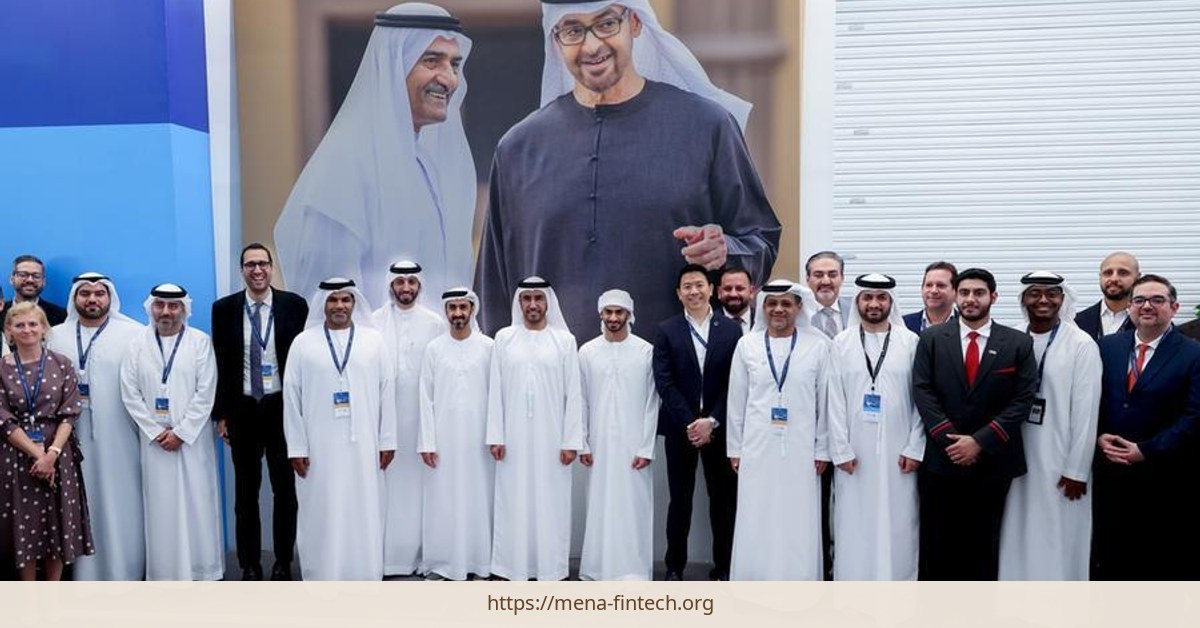
The Abu Dhabi Exchange (ADX) celebrated the trading of a new derivatives contract on July 15, 2026, with a groundbreaking investment bell-ringing ceremony aboard the national Etihad Rail.
Significance of the New Contract
The introduction of the new derivatives contract by ADX signifies a pivotal moment in the modernization of capital markets in the UAE. Derivatives contracts, which derive value from underlying assets such as stocks, commodities, or indices, are critical tools for risk management, price discovery, and liquidity provision. By introducing such instruments, ADX aims to enhance the visibility and accessibility of capital markets, potentially reshaping investor engagement and trading practices across the MENA region. This move aligns with the UAE’s broader strategy to position itself as a regional financial hub, leveraging its regulatory frameworks and infrastructure to attract cross-border capital. For regional financial institutions, the practical question will be whether this development can translate into licensed, bank-compatible services that align with local regulatory frameworks and cross-border compliance requirements. The absence of specific details on the contract’s structure, however, leaves key uncertainties about its utility for institutional investors, retail participants, and the broader ecosystem.
Broader Implications for the MENA Financial Sector
ADX’s initiative reflects a broader trend of financial innovation in the Gulf Cooperation Council (GCC) region, where regulators and exchanges are increasingly prioritizing digital infrastructure and market diversification. The UAE’s capital markets have historically been dominated by equity trading, but the introduction of derivatives could catalyze the growth of structured products, hedging strategies, and alternative investment vehicles. This is particularly significant in a region where economic diversification away from hydrocarbon revenues has intensified, prompting greater reliance on financial markets for long-term stability. The symbolic choice of Etihad Rail—a flagship infrastructure project representing the UAE’s logistical and technological ambitions—underscores ADX’s commitment to integrating financial innovation with national development priorities. However, the success of this contract will depend on factors such as market depth, participation from regional and international counterparties, and the ability of ADX to ensure transparency and efficiency in trading mechanisms. Regulatory alignment with international standards, such as those set by the International Organization of Securities Commissions (IOSCO), will also be critical to attract foreign investors and institutional capital.
What Wasn’t Disclosed
The announcement did not provide specific details on the features of the derivatives contract, such as its underlying assets, pricing mechanisms, or risk management protocols. Additionally, it did not disclose regulatory approvals, expected market participation levels, or the timeline for full implementation. These gaps require further clarification to assess the contract’s operational scope and its potential impact on market liquidity. For instance, the absence of information on whether the contract will be based on local equities, commodities, or foreign benchmarks limits the ability of market participants to evaluate its relevance to their portfolios. Similarly, the lack of details on risk mitigation measures—such as margin requirements, counterparty limits, or clearing procedures—raises questions about the contract’s resilience to market volatility. Without clarity on these aspects, the contract’s role in enhancing market depth or serving as a hedging tool remains speculative. Furthermore, the absence of regulatory approvals or timelines suggests that the contract may still be in a pilot phase, requiring additional oversight from the UAE’s Central Bank of the UAE (CBUAE) or the Securities and Commodities Authority (SCA) to ensure compliance with local and international standards.
Context and Background
The Abu Dhabi Exchange (ADX) has long been a cornerstone of the UAE’s financial infrastructure, operating as the primary securities market for the emirate. Its introduction of derivatives marks a strategic shift toward expanding the range of financial instruments available to investors, a move that could complement existing initiatives such as the Dubai Multi Commodities Centre (DMCC) and the Abu Dhabi Global Market (ADGM). The event’s unique setting aboard Etihad Rail—a symbol of the UAE’s transportation and infrastructure prowess—highlights ADX’s effort to align financial innovation with national branding. This approach is consistent with the UAE’s broader economic vision, which emphasizes the integration of technology, logistics, and finance to drive sustainable growth. However, the success of this contract will hinge on its ability to address the specific needs of regional investors, including hedge funds, asset managers, and sovereign wealth funds, while navigating the complex regulatory landscape of the MENA region.
Sources
Image: static.zawya.com