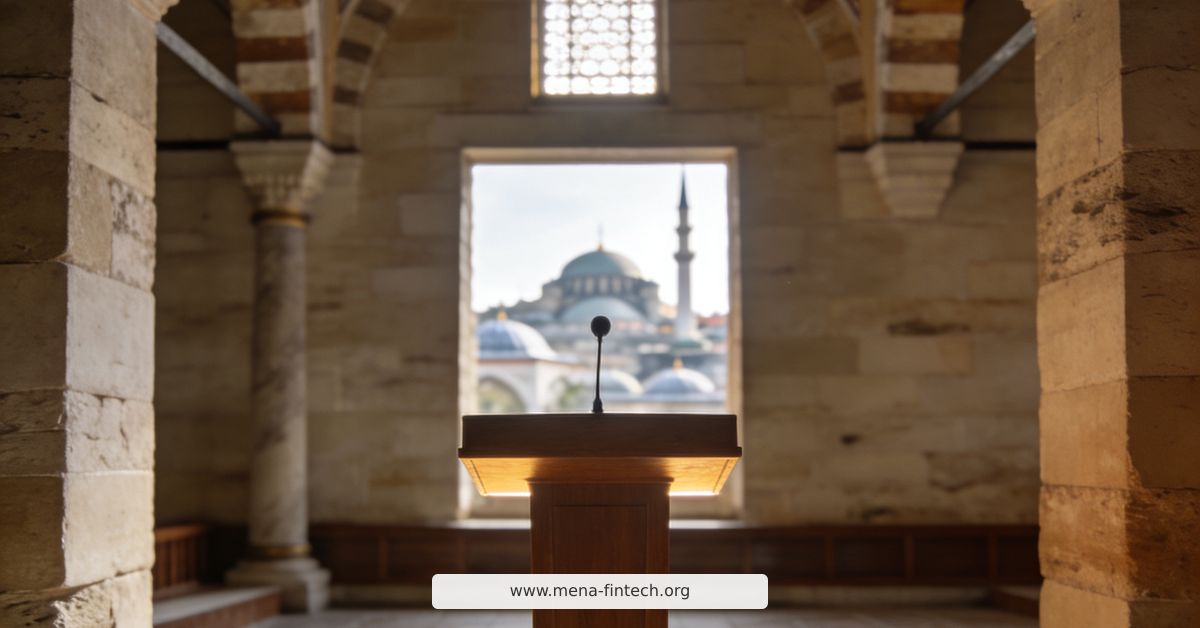

Abdullah Saleh Kamel advocates for Saudi Arabia's waqf model as a sustainable development framework during a speech in Istanbul.
Waqf Advocacy
In a recent address in Istanbul, Abdullah Saleh Kamel, Chairman of the Federation of Saudi Chambers, urged countries to adopt Saudi Arabia's waqf model. He emphasized the potential of waqf as a tool for generating and distributing wealth, highlighting its role in sustainable development.
Economic Implications
Kamel's call underscores the significance of waqf in fostering economic growth. By positioning capital as a productive and wealth-distributing entity, he suggests that nations can leverage this model to enhance their developmental strategies. This approach aligns with a growing recognition of innovative economic frameworks in the MENA region.
Global Context
The emphasis on waqf reflects broader trends in sustainable finance and philanthropy, where countries are increasingly exploring collaborative initiatives. As nations look to Saudi Arabia's experience, potential partnerships may emerge, focusing on waqf legislation and practices that could reshape economic landscapes across the region.
Kamel's advocacy for the waqf model signals a pivotal moment for sustainable economic development, potentially influencing future collaborations and investments in the MENA fintech ecosystem.