
Dubai-headquartered fintech Ziina has introduced Split Bill, a feature that extends its consumer peer-to-peer offering to group expenses. The company says the tool lets users request, follow and settle shared bills in one place, at a time when its P2P activity has risen steeply.
How Split Bill works
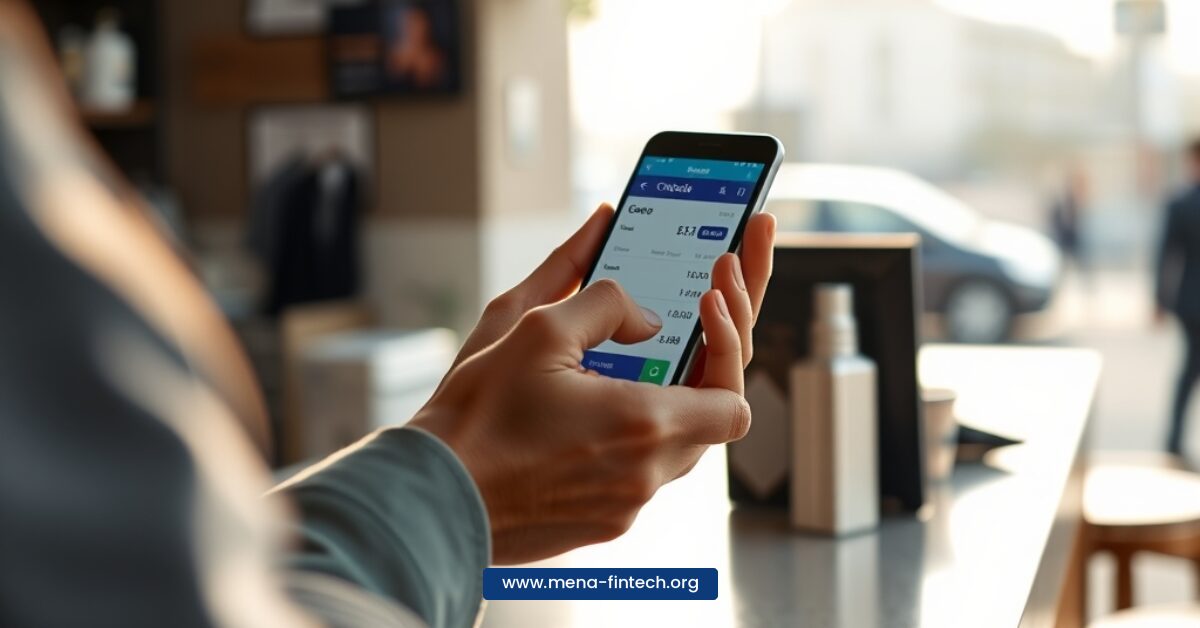
Split Bill brings expense division, payment requests and automated follow-ups into a single interface. Organisers can assign a specific share to each participant and monitor settlement progress as it happens. The feature covers purchases made with a Ziina Card as well as those made through external payment methods.
- Existing Ziina account holders can settle their share inside the mobile app.
- Non-users receive a dedicated web link and can pay with a debit card, Apple Pay or Google Pay.
- The platform sends automatic payment reminders to participants who still owe money, so organisers do not have to chase them manually.
- Organisers see each contribution as funds arrive and receive a notification once the full group bill is settled.
According to Ziina’s internal user research, collecting money from friends is the largest friction point in shared spending. Some respondents said they would rather cover an expense themselves than keep reminding others to pay. The company also reported that 71 per cent of surveyed consumers split expenses at least once a month, and that every interviewed participant relied on WhatsApp to coordinate shared bills.
Faisal Toukan, CEO and co-founder of Ziina, said the company builds products around “real customer behaviour” and looks for familiar financial actions that can be made simpler. He said the research showed that getting friends to pay can be the toughest part of splitting a bill, and that Split Bill is designed to make organising, tracking and settling shared costs easier.
Growth in P2P activity
Ziina reported that total P2P transfers on its platform rose by 330 per cent year-on-year in the first ten months of 2026. The number of active senders and recipients grew by 220 per cent over the same period. Monthly P2P transfer volumes also recorded seven consecutive months of growth between April and October 2026.
The company’s transaction metrics point to smaller and more frequent payments. Its median P2P payment value fell 33 per cent year-on-year, while transfers valued at AED 200 or less accounted for a larger share, up 16 per cent. Multi-party receipts, where a user gets money from two or more friends on the same day, rose 500 per cent year-on-year between August and October 2026 and made up 10 per cent of all P2P transfers.
The wider UAE context
Ziina placed its product expansion within a broader move away from cash in the Emirates. Customer-to-customer transfers reached 114.9 million in 2025 according to Central Bank of the UAE figures, up from 109.7 million a year earlier. Visa’s 2026 Where Cash Hides study found that digital adoption in the P2P category increased by five percentage points, reaching 35 per cent.
Peer-to-peer transfers let individuals send money directly to one another, without a merchant in the middle. For group spending, this means that a single organiser can be left collecting small amounts from several people, which is the problem Split Bill targets. Products of this kind depend on the payment rails and licences behind them, so the regulatory position of the provider matters to users.
Licensing and company background
Ziina was founded in 2020 by Faisal Toukan, Sarah Toukan and Talal Toukan. It was recently recognised with the 2026 Dubai-it Award, presented by Sheikh Hamdan bin Mohammed bin Rashid Al Maktoum. He is the Crown Prince of Dubai.
The company operates under authorisations from the Central Bank of the UAE. These cover Stored Value Facilities, a Retail Payment Services Category III licence, and an exchange business licence in Category IV.
Ziina describes its model as pairing licensed payment infrastructure with social, behaviour-led features such as Split Bill. The company says this approach helps it bring everyday consumer spending and merchant acquiring together in one ecosystem.