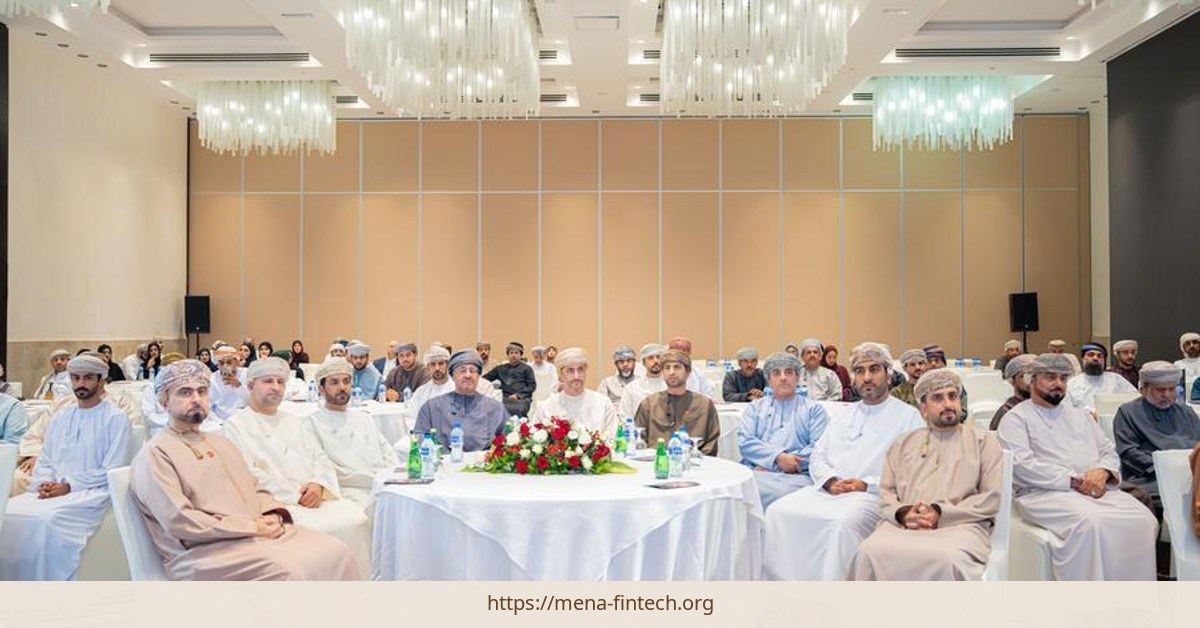
Vodafone Oman is increasing its engagement with the business community in North Al Batinah to support growth and digital adoption. The initiative focuses on enhancing the long-term competitiveness of local businesses through digital transformation.
Impact on Local Economic Growth
Increased business engagement could lead to enhanced economic activity in North Al Batinah. Telecommunications infrastructure plays a critical role in supporting local businesses and fintech innovations by enabling faster, more secure digital transactions and connectivity. This aligns with broader efforts to strengthen the MENA fintech ecosystem through improved digital infrastructure. The governorate, which includes key economic hubs such as Sohar and Al Khabour, has seen a rise in SME activity in recent years, driven by government incentives and regional trade corridors. Vodafone’s expanded engagement is expected to accelerate the adoption of digital tools among local merchants, particularly in sectors like retail, logistics, and agriculture, where real-time data exchange and payment processing are becoming essential for operational efficiency.
The initiative also positions North Al Batinah as a strategic node within Oman’s broader digital economy strategy. By improving access to high-speed internet and cloud-based services, Vodafone is enabling businesses to integrate with regional and international supply chains more effectively. This is particularly relevant given the growing emphasis on e-commerce and cross-border trade in the Gulf Cooperation Council (GCC) region, where digital infrastructure is increasingly viewed as a cornerstone of economic diversification. For instance, the Oman Vision 2040 framework explicitly prioritizes the development of a knowledge-based economy, with telecommunications and fintech playing pivotal roles in achieving this goal.
Significance of Digital Transformation
Vodafone’s initiatives reflect a commitment to fostering a robust digital economy. The MENA region is witnessing accelerated adoption of digital tools in business operations, and Vodafone’s engagement underscores the importance of telecommunications providers in enabling this shift. For regional financial institutions and policymakers, the practical question is how such partnerships can be structured to meet modern compliance and cross-border regulatory requirements while preserving the core intent of digital transformation.
The partnership highlights the growing convergence between telecommunications and financial services in the MENA region. As embedded finance models gain traction, telecom operators are increasingly positioned to act as intermediaries between businesses and financial institutions. This is evident in the rise of integrated platforms that combine mobile money services, digital wallets, and credit scoring tools, all of which are critical for SMEs seeking to scale operations. In North Al Batinah, where many businesses operate on thin margins, access to working capital and seamless payment solutions can be the difference between growth and stagnation. Vodafone’s role in facilitating these connections aligns with broader trends observed in the GCC, where telecom firms are expanding into financial services to address gaps in traditional banking systems.
Significance: For the MENA fintech market, the partnership reflects a broader shift toward embedded financial distribution, where merchant platforms are used to surface banking and credit products inside day-to-day business tools. For banks, acquirers, and SME-focused fintechs across MENA, the deal underscores the growing overlap between payment infrastructure, digital banking, and working-capital access. This development is particularly significant in Oman, where the Central Bank has been actively promoting the adoption of digital payment systems to reduce reliance on cash and enhance financial inclusion. By integrating its services with local business ecosystems, Vodafone is contributing to this regulatory push while also positioning itself as a key player in the evolving fintech landscape.
The implications of this engagement extend beyond individual businesses. As more enterprises in North Al Batinah adopt digital tools, the region could see a ripple effect in terms of job creation, innovation, and tax revenue generation. For example, the integration of AI-driven analytics into business operations could lead to more efficient resource allocation and reduced operational costs. Additionally, the increased use of digital payment systems may encourage greater participation in formal financial systems, thereby reducing the prevalence of informal lending and improving overall economic transparency.
What wasn’t disclosed
The announcement did not disclose financial terms, expected merchant volumes, or specific timelines for implementation. This lack of detail leaves some questions about the scale and pace of Vodafone’s initiatives in the region. However, the absence of such information does not diminish the strategic importance of the engagement, as the focus remains on long-term digital transformation rather than immediate financial metrics.
Sources
Image: static.zawya.com