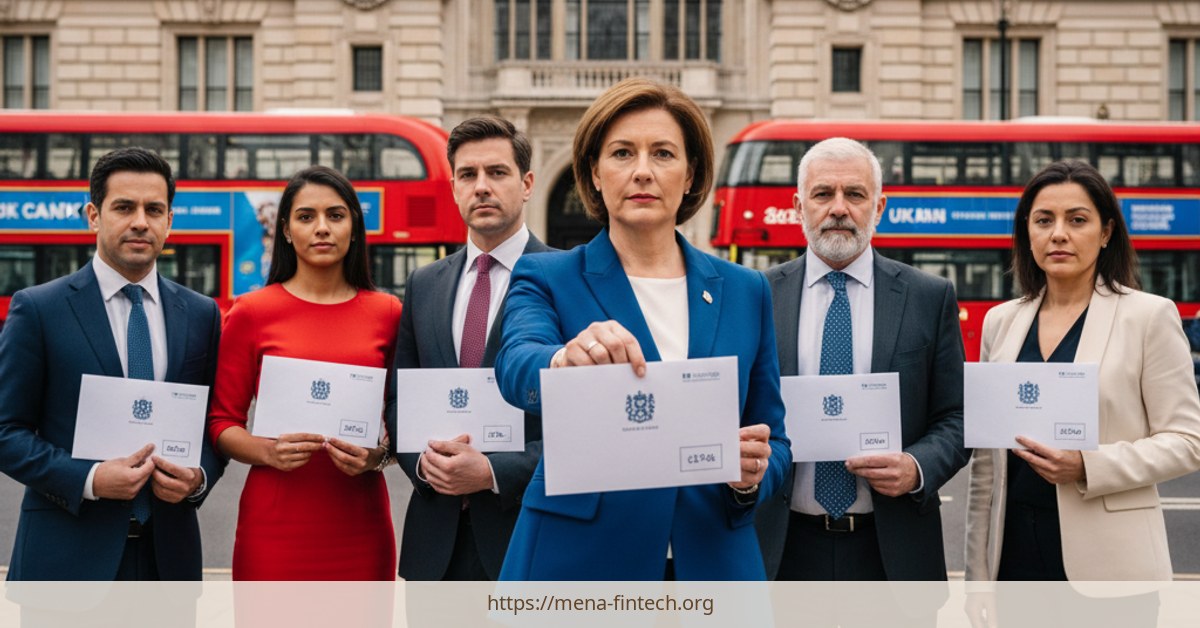
A group of UK politicians has written to the CEOs of major banks in the UK, seeking clarification on their services for crypto and digital asset firms. The inquiry, published on August 11, 2026, requests banks to detail their policies regarding crypto services and highlights concerns over access to banking for crypto firms.
Inquiry Details
The letter, dated August 11, 2026, was addressed to the leadership of major UK financial institutions and focuses on their approach to providing services to cryptocurrency and digital asset firms. The inquiry underscores a growing concern among policymakers about the reluctance of traditional banks to engage with the crypto sector, which has raised questions about the balance between financial stability and innovation. The UK parliamentarians’ letter seeks to understand the rationale behind banks’ decisions to restrict or deny services to crypto firms, including the specific criteria used to assess risk and compliance.
The context of this inquiry reflects broader tensions between established financial institutions and the rapidly evolving digital asset ecosystem. While banks have long been gatekeepers of financial infrastructure, the rise of crypto firms has challenged traditional models, prompting scrutiny over whether current regulatory frameworks adequately address the risks and opportunities associated with digital assets. The letter also highlights the need for transparency in how banks evaluate the legitimacy of crypto businesses, particularly in light of past incidents involving fraudulent or unregulated entities.
Potential Implications
The inquiry may influence the UK’s regulatory approach to digital assets, potentially shaping the development of frameworks that govern the interaction between banks and crypto firms. Such regulatory clarity could have ripple effects on fintech innovation, particularly in the Middle East and North Africa (MENA) region, where digital asset adoption is accelerating. For instance, the UAE and Saudi Arabia have been proactive in establishing regulatory sandboxes and licensing regimes for crypto-related activities, and the UK’s evolving stance may inform similar initiatives in the region.
The tension between banks and the crypto sector underscores the importance of regulatory clarity for the growth of digital asset ecosystems. If banks continue to restrict services to crypto firms, it could stifle innovation and push the sector toward alternative financial infrastructure, such as decentralized finance (DeFi) platforms. Conversely, a more collaborative approach could foster a balanced environment where banks and crypto firms coexist, with clear guidelines to mitigate risks while enabling technological progress.
The UK’s regulatory landscape is already undergoing transformation, with the Financial Conduct Authority (FCA) exploring ways to integrate digital assets into existing frameworks. The responses from banks to the inquiry could provide critical insights into the challenges and opportunities of this integration, influencing future policy decisions. These decisions may also have indirect implications for the MENA region, where financial institutions are increasingly looking to the UK for regulatory precedents and best practices.
Significance
For the MENA fintech market, the inquiry reflects a critical moment in the relationship between traditional banking and emerging fintech. The scrutiny of banks’ policies toward crypto firms may influence how regulators in the region approach digital asset frameworks, potentially accelerating the adoption of clear guidelines for crypto-related services. Market participants must consider how this growing regulatory attention may affect their operations, access to banking services, and strategic partnerships with financial institutions.
The MENA region has seen a surge in crypto-related startups and investment, driven by favorable regulatory environments in countries like the UAE and Bahrain. However, the lack of standardized banking services for crypto firms in the UK could create a precedent that impacts the region’s ability to attract international investment and collaboration. For example, if UK banks adopt stricter policies, it may encourage crypto firms to seek banking services in jurisdictions with more flexible regulations, potentially shifting investment flows and partnerships.
What wasn’t disclosed in the announcement includes the specific banks targeted, the expected timeline for responses, and whether the inquiry is part of a broader legislative effort. The practical question for regional financial institutions is how they might adapt to potential changes in UK regulatory approaches that could indirectly influence MENA markets. For instance, if the UK adopts a more accommodating stance toward crypto firms, it could encourage similar policies in the MENA region, fostering a more integrated global digital asset ecosystem.