Assiut has completed the second phase of the Amlak Fi Amalek training program, aimed at enhancing entrepreneurship skills among youth in rural areas of Egypt. The initiative, which took place in September 2026 across five villages in the Al-Fateh district—Bani Zeid, Bani Mur, Basra, Al-Wasta, and Arab Al-Matir—focuses on building entrepreneurship skills and improving financial inclusion understanding. The program aligns with broader MENA efforts to foster economic development through youth-driven innovation, targeting unemployment in rural regions by equipping participants with tools to launch and sustain small businesses.
Program Impact
The Amlak Fi Amalek program is designed to address systemic challenges in rural Egypt by providing participants with practical training in business planning, financial literacy, and market analysis. While specific outcomes such as participant numbers or post-training employment rates are not disclosed, the initiative reflects a growing emphasis on grassroots financial inclusion strategies. Similar programs in the region have demonstrated measurable improvements in local business creation and financial literacy, though this dossier lacks direct corroboration of such metrics for Assiut. The program’s focus on rural areas, where access to formal financial services remains limited, underscores its potential to bridge gaps in economic participation.
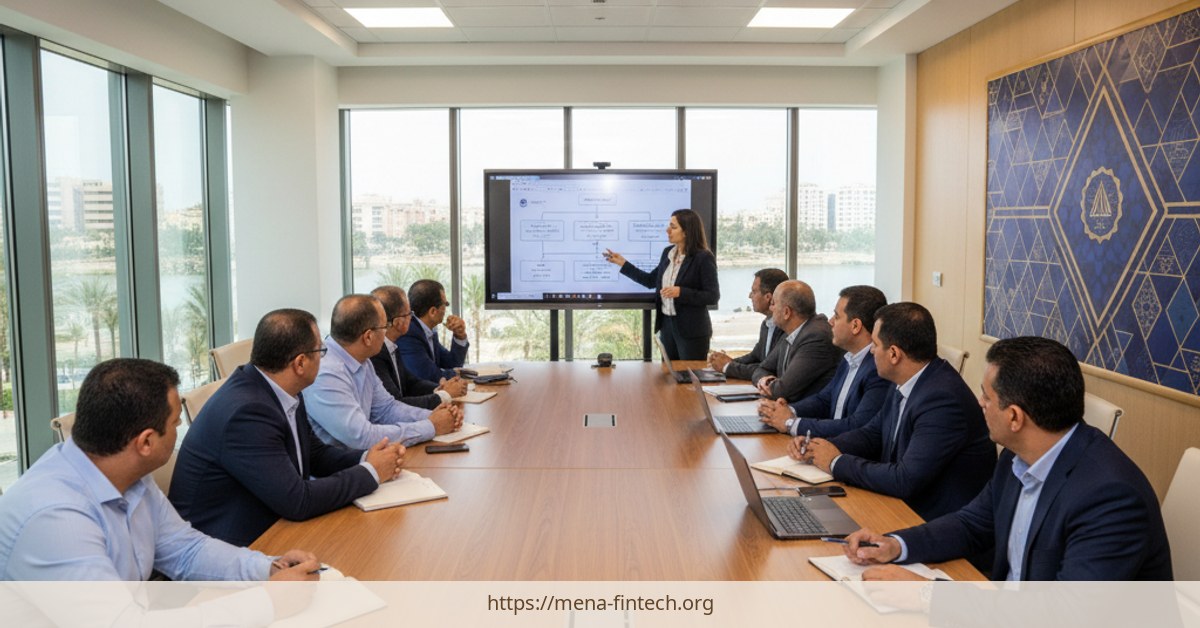
The training sessions included workshops that covered essential topics such as budgeting, marketing strategies, and the importance of understanding local market dynamics. Participants engaged in hands-on activities that encouraged them to develop their business ideas and present them to their peers. This interactive approach not only fosters learning but also builds confidence among the youth, empowering them to take the first steps toward entrepreneurship.
Significance
For the MENA fintech ecosystem, the Amlak Fi Amalek program reflects a strategic shift toward embedding financial education and entrepreneurial training into underserved communities. By addressing barriers to entrepreneurship in rural areas, it complements regional trends in embedded finance and digital banking solutions tailored for small businesses. The program’s model—combining skill-building with financial education—could serve as a template for other MENA countries seeking to integrate youth into formal economic systems. However, the lack of detailed implementation data or regulatory alignment with national economic policies limits immediate assessment of its long-term impact.
What wasn’t disclosed: The announcement does not specify the program’s funding source, participant demographics, or measurable outcomes such as business launch rates or employment placements. It also lacks details on partnerships with local banks or fintech platforms that could facilitate access to credit or digital financial tools for graduates. Without this information, it remains unclear how effectively the program’s goals will translate into sustained economic activity in the targeted villages.
The Amlak Fi Amalek program is a crucial step towards empowering youth in rural areas of Assiut through entrepreneurship training and financial inclusion. As the MENA region continues to evolve, initiatives like this one will play a vital role in shaping the future of economic development and job creation.
Sources
- Assiut Concludes Second Phase of Amlak Fi Amalek Youth Entrepreneurship Program – menastartupdigest.com