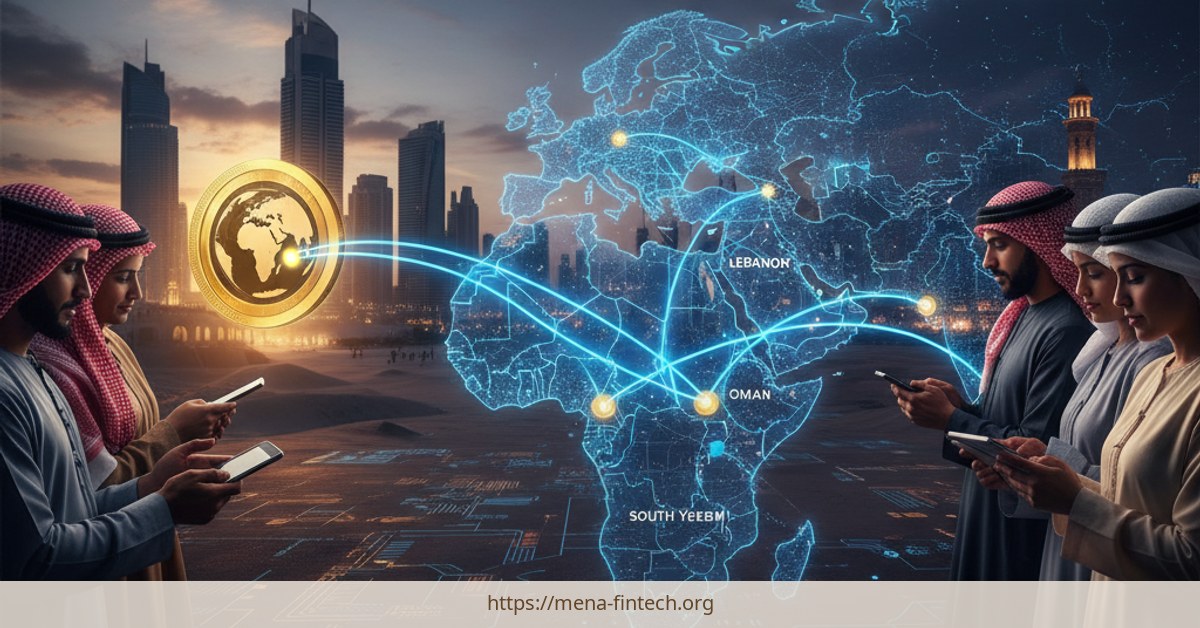
Thunes launched cross-border payouts across Bahrain, Lebanon, Oman, South Yemen, Syria, and the UAE on September 14, 2026. The expansion allows members of Thunes’ Direct Global Network to access bank accounts, mobile wallets, and cash pickup locations in the newly added markets.
Expansion Details
Thunes has launched services in six new markets, expanding its footprint across the Middle East. Members of Thunes’ Direct Global Network can now access various financial services in these regions, including bank account integration, mobile wallet support, and cash pickup options. The company describes its platform as a “Smart Superhighway” for moving money globally, emphasizing speed and transparency in cross-border transactions. This infrastructure leverages real-time settlement capabilities and multi-currency support, which are critical for businesses and individuals navigating the complexities of international trade and remittances. The Direct Global Network, which already operates in over 100 markets, now enables seamless connectivity between financial institutions, digital wallets, and retail agents, reducing reliance on traditional correspondent banking systems that are often slow and costly.
The addition of these markets aligns with Thunes’ broader strategy to address gaps in cross-border payment infrastructure, particularly in regions where legacy systems hinder efficiency. For example, in countries like Syria and South Yemen, where traditional banking networks are fragmented or underdeveloped, Thunes’ cash pickup options provide a vital alternative for users without access to formal financial services. Mobile wallet integration, meanwhile, capitalizes on the region’s high mobile penetration rates, enabling users to receive and send money via smartphones—a critical enabler of financial inclusion.
Market Implications
The expansion is expected to facilitate faster remittances for individuals and businesses operating across borders. By entering these markets, Thunes positions itself as a competitive player in the MENA fintech landscape, where demand for efficient payment solutions is growing. The move could also increase pressure on local and international fintech providers to enhance their offerings to retain users. In the UAE and Bahrain, where digital banking adoption is already advanced, Thunes’ services may integrate with existing neobanks and embedded finance platforms, further accelerating the shift toward real-time, low-cost transactions.
In Lebanon, where the banking sector has faced prolonged instability, Thunes’ platform could offer a lifeline for cross-border transfers, particularly for diaspora communities reliant on remittances. Similarly, in Oman, where the government has prioritized digital transformation, the expansion may support broader economic goals by enabling smoother trade with neighboring Gulf states. However, the success of this initiative will depend on the ability of local partners—such as mobile network operators, banks, and payment gateways—to onboard users and ensure compliance with regional regulatory frameworks.
Significance
For the MENA fintech ecosystem, this development reflects the rising demand for cross-border payment solutions that support both personal and business needs. The addition of these six markets could enhance financial inclusion for individuals in regions where traditional banking infrastructure is limited. However, the practical impact will depend on how quickly local partners and users adopt the service, as well as the regulatory environment in each market.
The expansion underscores a broader trend in the MENA region: the increasing role of fintechs in bridging gaps left by underdeveloped or fragmented banking systems. According to industry reports, cross-border remittances to the MENA region reached $68 billion in 2025, with a significant portion flowing through informal channels or traditional banks. Thunes’ entry could disrupt this landscape by offering a more transparent, cost-effective alternative, particularly for migrant workers and small businesses engaged in international trade. For regulators, the move highlights the need to balance innovation with oversight, ensuring that new platforms comply with anti-money laundering (AML) and know-your-customer (KYC) requirements without stifling growth.
What wasn’t disclosed in the announcement includes the financial terms of the expansion, specific regulatory approvals required for each market, and the expected volume of transactions. These details are critical for assessing the scale and sustainability of the initiative. Additionally, the role of local partners in driving adoption remains unclear, as does the extent to which Thunes will integrate with existing payment rails in each market. For example, in Syria, where sanctions and geopolitical factors complicate financial flows, the company’s ability to navigate regulatory hurdles could determine the service’s long-term viability.
Sources
- Thunes Launches Cross-Border Payouts Across Six New Middle East Markets – fintechnews.media