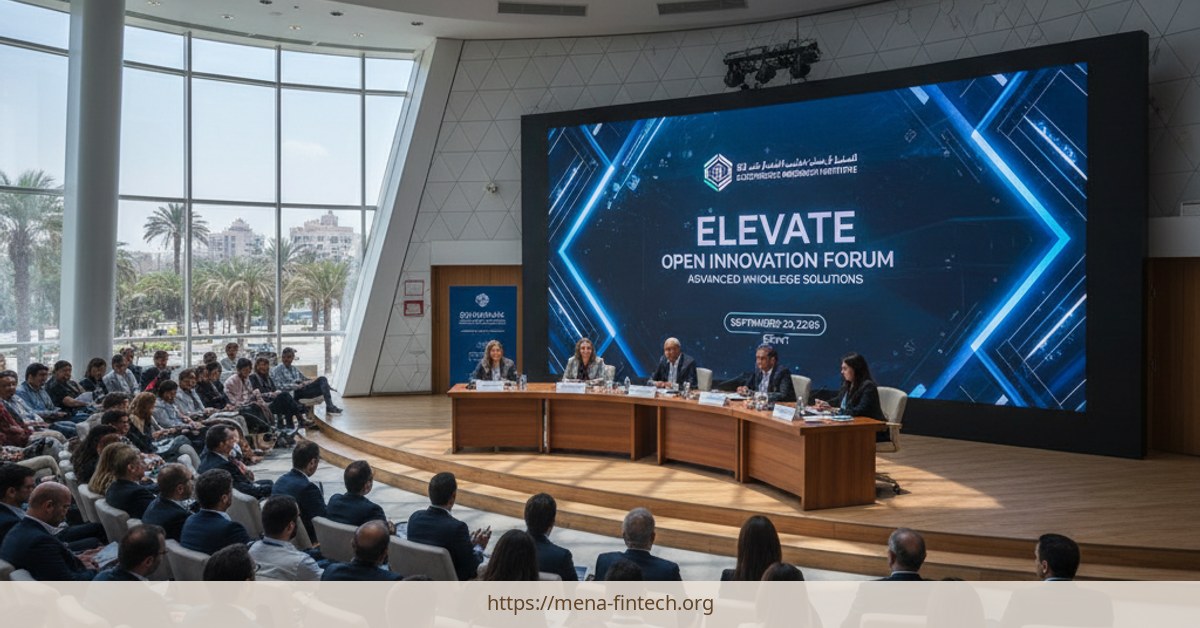

Six technological breakthroughs are poised to redefine financial services by 2026, addressing the persistent challenge of customer satisfaction in traditional institutions. The innovations identified in this analysis aim to enhance user experience and operational efficiency across the sector.
Key Innovations in Financial Services
Six technological breakthroughs are set to reshape the financial services landscape, with a focus on improving customer satisfaction and reducing friction in traditional banking models. These include advancements in AI-driven personalization, blockchain-enabled cross-border payments, embedded finance solutions, open banking APIs, real-time fraud detection systems, and sustainable finance technologies. Each of these innovations addresses specific pain points in the sector, from slow transaction speeds to fragmented customer engagement.
AI-driven personalization, for instance, leverages machine learning to tailor financial products and services to individual user preferences. This reduces the need for manual intervention and enhances the user experience by providing hyper-relevant recommendations. In the context of the MENA region, where digital adoption is growing rapidly, such personalization can bridge the gap between traditional banking models and the expectations of tech-savvy consumers. Similarly, blockchain-enabled cross-border payments offer a solution to the inefficiencies of traditional remittance systems, which are often slow and costly. By enabling near-instant transactions with lower fees, blockchain technology can significantly benefit Gulf commodity traders and expatriate workers, who frequently engage in cross-border transactions.
Embedded finance solutions, which integrate financial services into non-financial platforms, are also gaining traction. This approach allows businesses to offer payment, lending, and insurance services directly within their apps or websites, reducing the need for users to switch between multiple platforms. Open banking APIs, on the other hand, facilitate data sharing between financial institutions and third-party providers, enabling more seamless and secure financial services. Real-time fraud detection systems utilize advanced analytics to identify and mitigate fraudulent activities as they occur, enhancing security and reducing financial losses. Sustainable finance technologies, including green bonds and ESG-focused investment platforms, are aligning financial services with global sustainability goals, which is increasingly important for environmentally conscious consumers and institutional investors.
Impact on MENA Fintech Landscape
For the MENA fintech ecosystem, these breakthroughs present both opportunities and challenges. The region’s growing digital infrastructure and regulatory openness to innovation position it to adopt these technologies rapidly. However, implementation risks such as interoperability issues, data privacy concerns, and the need for regulatory alignment remain critical hurdles. For example, blockchain-based cross-border payments could reduce costs for Gulf commodity traders, but require harmonized standards across GCC countries. Similarly, open banking APIs may enable more seamless financial services for SMEs, but depend on consistent licensing frameworks.
The digital infrastructure in the MENA region, particularly in the GCC, has seen significant investment in recent years. Countries like the UAE and Saudi Arabia have prioritized digital transformation, with high mobile penetration rates and increasing internet usage. This provides a fertile ground for the adoption of embedded finance and open banking solutions. However, the fragmented regulatory environment across the region poses challenges. While the UAE has adopted progressive frameworks to support fintech experimentation, other GCC countries are still in the process of developing clear guidelines for emerging technologies. This disparity can create barriers to cross-border collaboration and hinder the scalability of fintech solutions.
Data privacy is another critical concern. As financial institutions increasingly rely on data analytics and AI for personalization, ensuring compliance with data localization laws and protecting user privacy becomes paramount. The absence of a unified regulatory approach across the GCC could lead to inconsistencies in how data is managed and shared, potentially undermining consumer trust. Additionally, the need for regulatory alignment is evident in the case of real-time fraud detection systems, which require coordination with central bank cybersecurity protocols to ensure effectiveness and compliance with national security standards.
Regulatory Considerations
Regulatory bodies in the GCC are increasingly tasked with balancing innovation and consumer protection. While some jurisdictions, like the UAE, have adopted progressive frameworks to support fintech experimentation, others lag in defining clear guidelines for emerging technologies. Regulatory clarity will be essential to ensure these innovations are deployed responsibly. For instance, AI-driven personalization tools must comply with data localization laws, and real-time fraud detection systems require alignment with central bank cybersecurity protocols.
The UAE’s Central Bank (CBUAE) has been proactive in fostering a regulatory environment that encourages innovation while safeguarding consumer interests. Initiatives such as the UAE’s Virtual Assets Regulatory Framework (VARF) demonstrate a commitment to creating a balanced ecosystem for digital assets and fintech solutions. In contrast, other GCC countries are still developing their regulatory frameworks, which can create uncertainty for fintech operators looking to expand across the region. The need for harmonized standards is particularly evident in areas like open banking, where inconsistent licensing frameworks can hinder the seamless integration of financial services across borders.
Sustainable finance technologies also require regulatory support to gain traction. As the global focus on ESG (Environmental, Social, Governance) factors intensifies, regulators in the MENA region are beginning to explore frameworks that align with international sustainability goals. However, the absence of clear guidelines on green finance and ESG compliance could slow down the adoption of these technologies in the region. Regulatory bodies will need to work closely with industry stakeholders to develop standards that encourage innovation while ensuring transparency and accountability.
Significance: For MENA fintech operators, these breakthroughs highlight the need to prioritize technologies that align with regional regulatory priorities and market demands. The practical question for market participants is how to integrate these innovations into existing workflows while ensuring compliance with evolving standards. Until corroboration from additional sources is secured, this analysis should be treated as an evolving framework rather than a finalized roadmap.