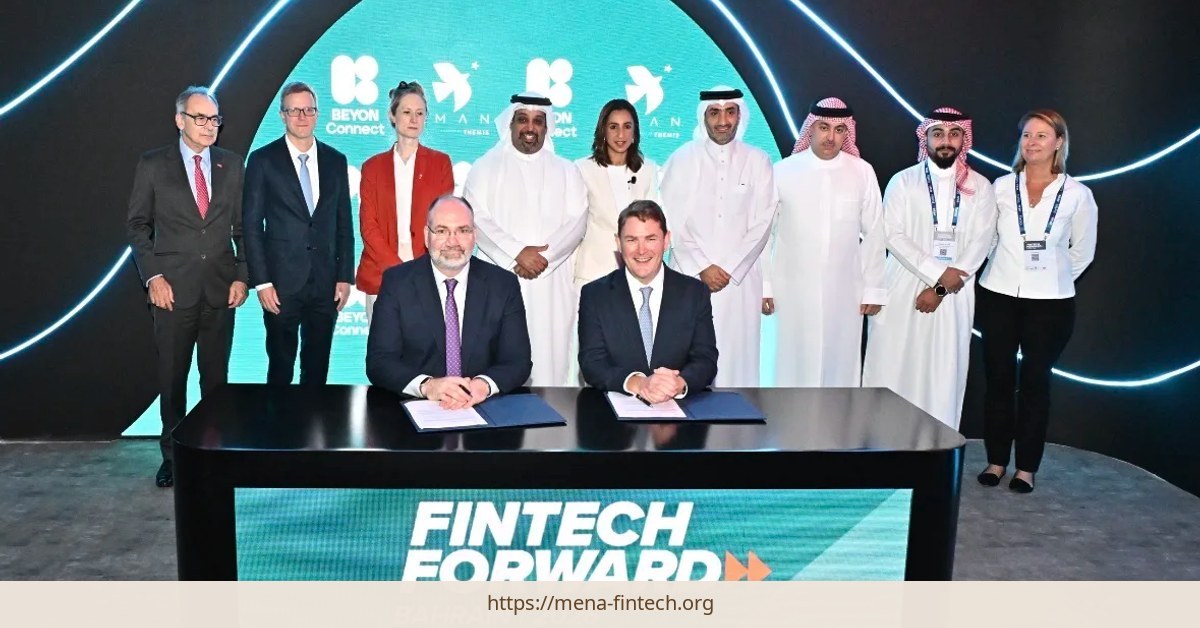

Fred Slevin, Global Head of Solution Consulting at ACI Worldwide, highlights that many banks excel at developing strategies but often fail to appreciate the execution requirements needed to turn those strategies into actions. Slevin emphasizes that the future of banking will favor institutions with clear plans and effective execution over those with larger budgets or grand ambitions.
Execution Challenges in Banking
Slevin identifies a critical gap in the banking sector: the inability to translate strategic plans into actionable steps. Many banks invest heavily in strategy development but neglect the operational frameworks required to implement those strategies effectively. This disconnect often leads to missed opportunities and inefficiencies, undermining the potential of even the most well-conceived plans.
The role of execution in determining the success of banking strategies cannot be overstated. Without a structured approach to implementation, even the most innovative strategies remain theoretical. Slevin notes that banks must prioritize execution frameworks that align with their strategic goals, ensuring that resources are allocated efficiently and that teams are aligned toward common objectives. This alignment is particularly crucial in complex environments where regulatory compliance, technological integration, and customer expectations demand precision.
In practice, execution challenges often stem from siloed operations, where departments operate independently without a unified vision. For example, a bank may develop a digital transformation strategy but fail to synchronize its IT, customer service, and risk management teams, leading to fragmented outcomes. Such misalignment can result in duplicated efforts, wasted resources, and a failure to meet strategic milestones. Slevin underscores that execution requires not only clear directives but also continuous monitoring and adaptability to shifting market conditions.
Implications for MENA Fintech
For MENA fintech companies, Slevin’s insights underscore the importance of strategic execution in a rapidly evolving market. Startups and established players alike must focus on building robust operational models that can scale effectively. This includes investing in talent, technology, and processes that support seamless execution of business strategies.
The regulatory environments in the Gulf Cooperation Council (GCC) and broader MENA region are increasingly demanding transparency and accountability in financial operations. Fintech firms that prioritize execution over budgetary considerations may gain a competitive edge, particularly in areas such as digital payments, open banking, and embedded finance where agility and precision are critical. For instance, the UAE’s Central Bank has been proactive in promoting open banking standards, requiring firms to demonstrate robust operational frameworks to ensure data security and seamless user experiences.
In Saudi Arabia, the Vision 2030 initiative has accelerated the adoption of digital financial services, creating a landscape where execution capabilities determine market success. Fintechs that can swiftly adapt to regulatory changes, such as the recent updates to the Saudi Arabian Monetary Authority’s (SAMA) licensing requirements, are better positioned to capture market share. Similarly, in Bahrain, the presence of the Gulf Finance House and the Dubai Financial Services Authority (DFSA) has fostered a regulatory ecosystem that rewards firms with efficient execution models.
Significance
For the MENA fintech ecosystem, Slevin’s observations highlight a growing trend: the competitive advantage of firms that can execute strategies with clarity and efficiency. As the region continues to attract investment in financial technology, the ability to translate strategic vision into operational reality will become a defining factor for success.
The practical question for market participants is how to build execution frameworks that align with both regulatory requirements and business objectives. Fintech leaders must evaluate their current operational models and identify areas where execution can be strengthened to ensure long-term viability and growth. This includes adopting agile methodologies, fostering cross-functional collaboration, and leveraging technology to automate repetitive tasks and enhance decision-making.
The emphasis on execution also has broader implications for the region’s financial infrastructure. As digital payments and embedded finance gain traction, the need for seamless integration across platforms and services becomes paramount. Fintechs that can deliver consistent, reliable execution will be better positioned to meet the demands of both consumers and institutional partners, driving innovation and trust in the sector.
What Wasn’t Disclosed
The dossier does not provide additional details on Slevin’s specific recommendations for improving execution in banking. It also does not clarify how MENA fintech firms can directly apply these insights to their operations or whether there are case studies of successful execution models in the region. Without such information, local firms may struggle to benchmark their strategies against proven frameworks, highlighting a gap in actionable guidance for the ecosystem.
Sources
- Why Unlimited Budgets Don’t Create Winning Strategies – finextra.com