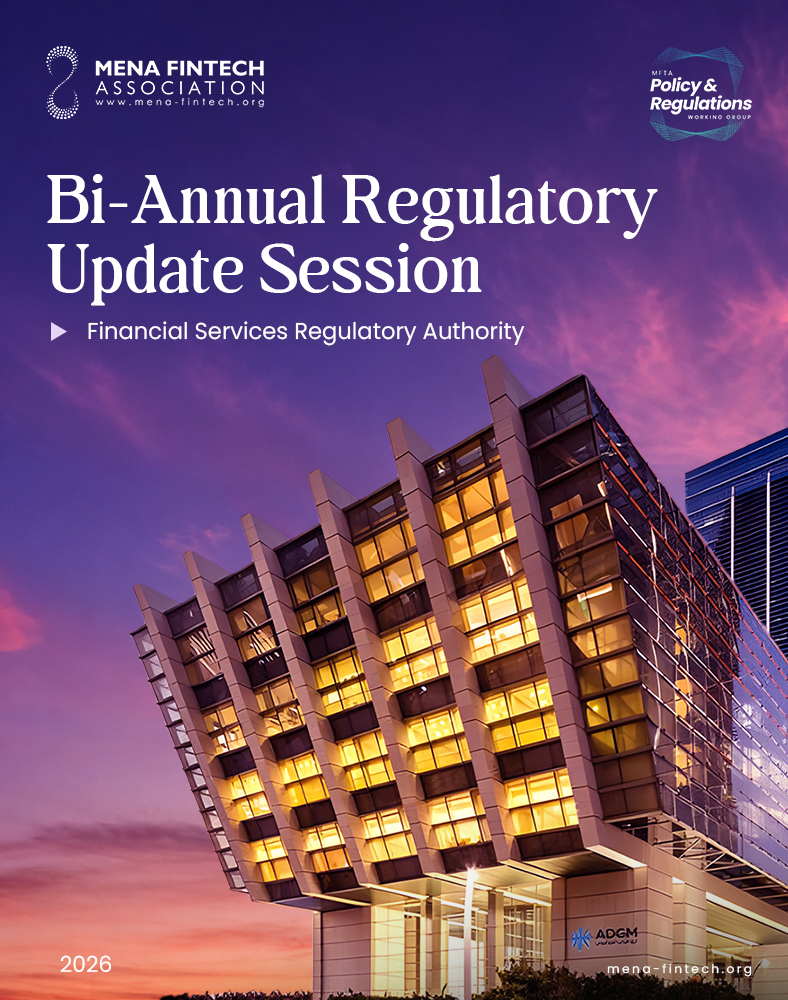

Global fintech company Sokin has obtained a licence from the Dubai Financial Services Authority and opened a new UAE office at One Za’abeel. The company said it plans to grow its local team to 100 employees. The move gives Sokin a licence and a physical base in the UAE, a market where it has already operated through a strategic partnership for about three years.
What the licence allows
According to the announcement, the licence lets business customers receive payments in dirhams directly into their Sokin accounts.
The company also said platform partners will gain access to integrated local payment channels. These channels can be used to send and receive funds within the UAE, and the service supports more than 70 other currencies alongside the dirham. The announcement presents these points as the main features available to partners and customers in the country.
Scale and footprint
The announcement states that more than $11B is processed annually through Sokin’s licences and infrastructure, covering 70 currencies and 170 countries. The company said it holds licences in 36 countries and operates eight offices worldwide. These are the company’s own figures as set out in the announcement, and they describe the group as a whole rather than the UAE business alone.
Founder and CEO Fron Modgil said the UAE presence is a core part of Sokin’s growth plans, rather than a secondary office. He added that the company has been recording 100% annual growth. The remarks position the Emirates operation as central to the company’s strategy, according to Modgil’s statement in the announcement.
Background on the Seed Group partnership
The announcement says Sokin has also entered a strategic partnership with Seed Group. It adds that Sokin first entered the UAE market about three years ago as a strategic partner to Seed Group. The announcement does not describe the terms of either arrangement, and it does not set out how the partnership relates to the newly granted licence.
Why multi-currency payments matter for regional businesses
Multi-currency payment infrastructure allows a business to hold, send and receive several currencies through one platform, instead of maintaining a separate account with each bank or provider. For companies that trade across borders, this can reduce the number of accounts to manage and make it easier to match incoming receipts with outgoing payments. Local payment channels play a similar role by connecting a platform to domestic payment rails.
A licence from a financial regulator generally means the provider operates under that regulator’s supervisory framework and the rules that apply to its activities. In the UAE, the announcement identifies the Dubai Financial Services Authority as the licensing body for Sokin. Businesses comparing payment providers typically look at which regulator authorises a firm and which services that authorisation covers, and the announcement’s description of the licence is the basis for the details set out here.
The company’s plan to grow its local team to 100 employees is a stated intention rather than a completed hiring figure. The announcement does not give a timeline for reaching that number. The UAE office at One Za’abeel is described as the company’s new base in the country, and the team figure is presented as part of the company’s plans for that presence.