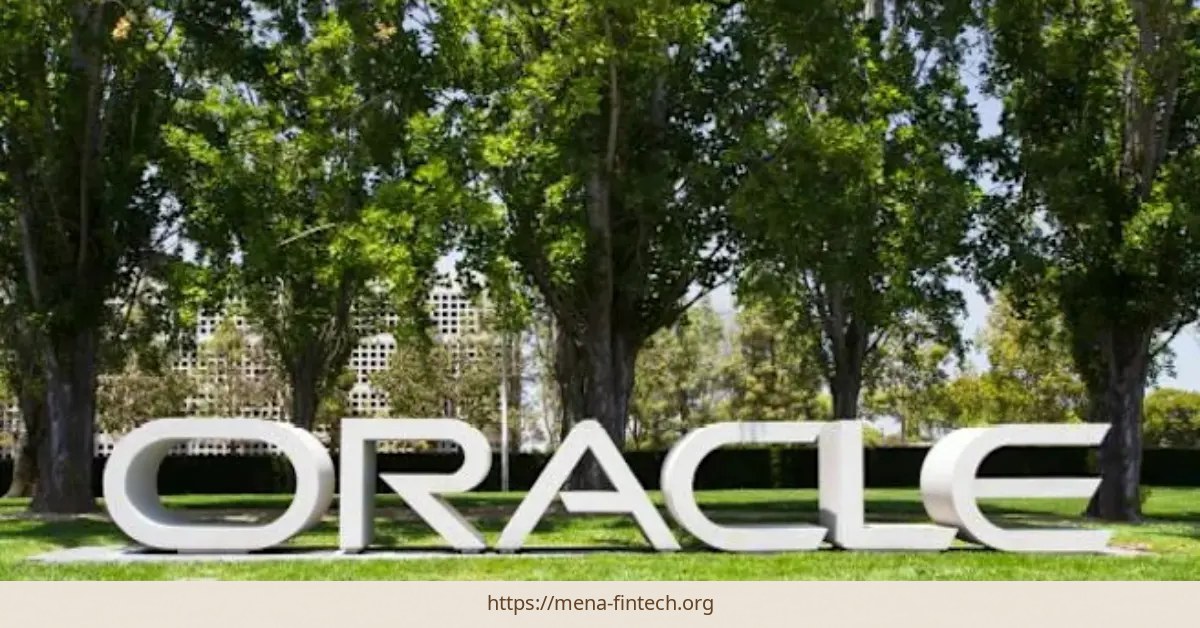
Oracle has partnered with Quantinuum to explore quantum-AI hybrid infrastructure, announced on August 13, 2026. The collaboration focuses on integrating quantum computing capabilities with artificial intelligence to advance fintech applications across the MENA region.
Partnership Overview
Oracle and Quantinuum have formed a strategic alliance to develop quantum-AI infrastructure, leveraging Quantinuum’s expertise in quantum computing. The partnership aims to explore innovative applications of quantum technology in financial services, including enhanced data processing, risk modeling, and algorithmic trading. Quantinuum, a company specializing in quantum computing, brings technical capabilities to Oracle’s AI infrastructure, positioning the collaboration as a potential catalyst for fintech innovation.
The integration of quantum computing with AI represents a significant step in the evolution of financial technology. Quantum computing, with its ability to process vast amounts of data at unprecedented speeds, could revolutionize how financial institutions handle complex calculations. This partnership underscores the growing recognition of quantum computing’s potential to address challenges in areas such as portfolio optimization, fraud detection, and real-time analytics. By combining Oracle’s AI infrastructure with Quantinuum’s quantum capabilities, the collaboration seeks to create a hybrid system that can handle tasks currently beyond the reach of classical computing.
Implications for Fintech Innovation
The integration of quantum computing with AI could redefine financial services in the MENA region. Potential applications include optimizing cross-border payment systems, improving fraud detection through advanced analytics, and enabling real-time portfolio management. These applications are particularly relevant in the MENA region, where cross-border transactions are frequent and the need for robust fraud detection mechanisms is critical due to the region’s diverse financial landscape.
However, the partnership’s impact on regulatory frameworks remains unclear, as quantum-AI systems may require new compliance standards for data security and algorithmic transparency. For regional financial institutions, the practical question is whether existing regulatory bodies will adapt to support such technologies without compromising consumer protection. The absence of clear regulatory guidelines could pose a challenge for widespread adoption, as institutions may be hesitant to implement technologies without a clear compliance path.
The potential for quantum-AI to enhance financial services is not limited to the MENA region but could have broader implications for global fintech. However, the regional focus of this partnership highlights the specific needs and opportunities present in the MENA market, where digital transformation is a priority. The collaboration could serve as a model for other regions looking to integrate quantum computing into their financial ecosystems.
Competitive Landscape
This partnership adds to a growing trend of tech firms exploring quantum computing collaborations. Competitors such as IBM and Google have also invested in quantum-AI research, though Oracle and Quantinuum’s focus on fintech-specific applications may differentiate their approach. The MENA fintech ecosystem, which has seen increased interest in AI-driven solutions, could benefit from this partnership if regulatory and infrastructure challenges are addressed.
The MENA region’s fintech landscape is characterized by rapid innovation and a strong emphasis on digital transformation. The region’s financial institutions are increasingly adopting AI-driven solutions to improve efficiency and customer experience. However, the integration of quantum computing into these systems could further accelerate this transformation, enabling more sophisticated financial models and predictive analytics.
However, the absence of confirmed investment terms or regulatory approvals means the partnership remains in an early-stage infrastructure development phase. The lack of specific details about the partnership’s scope, including investment size, ownership terms, and regulatory approvals, leaves many questions unanswered for market participants. This uncertainty could affect the pace of adoption and the extent to which the partnership influences the broader fintech landscape.
Significance: For the MENA fintech market, the Oracle-Quantinuum partnership reflects a broader shift toward embedding quantum computing in AI-driven financial services. The regional ecosystem, which has prioritized digital transformation, may see this collaboration as a precursor to more advanced computational tools. For financial institutions and regulators, the challenge will be aligning quantum-AI innovations with existing compliance frameworks while ensuring equitable access to these technologies.
The announcement did not disclose investment size, ownership terms, regulatory approvals, named banking partners, launch markets, or committed transaction volumes. It also did not confirm when the first live quantum-AI application would be deployed.