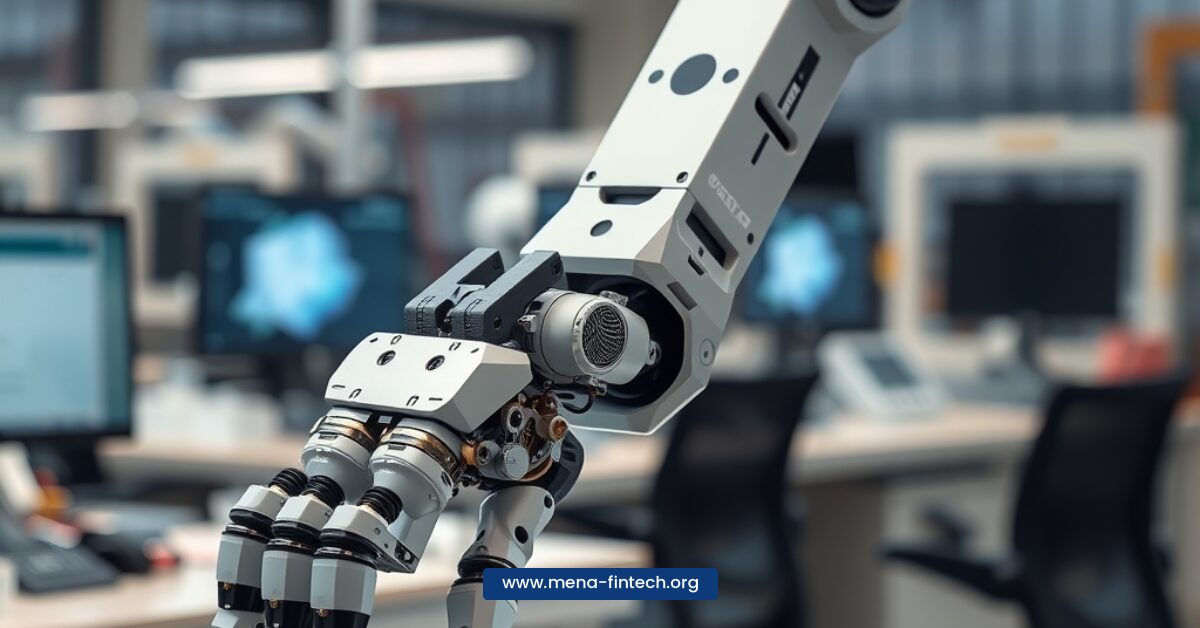
Lunate is preparing to launch what it describes as the Gulf's first exchange-traded fund focused on humanoid robotics, offering regional investors a stake in the companies that make up the sector's global supply chain. The product will list on the Abu Dhabi Securities Exchange on December 8 under the ticker ROBOTS. The listing gives local investors a route into a technology area that spans several countries and industries.
Fund structure and holdings
The Boreas VettaFi Humanoid Robots UCITS ETF will track 41 companies that operate across the humanoid robotics ecosystem, with listings in the US, Europe and Asia. The fund's exposure is grouped into four areas:
- Semiconductor makers
- Robot components such as sensors, motors and precision gears
- Robot developers
- Software providers
The fund is therefore not tied to a single robot manufacturer. Investors instead gain exposure to the hardware and software that humanoid machines depend on, from chips and sensors to the gears that allow precise movement. The launch will also be Lunate's fifth thematic ETF on ADX, according to the company's announcement.
Thematic ETFs group investments around a particular trend rather than a single company or a conventional sector label. In this case, the theme is the production and use of humanoid robots, which depend on many interlocking parts working together. A fund that spreads its holdings across that chain reflects the idea that the industry is built from several linked businesses.
What physical AI means
The fund targets what investors increasingly call physical AI, a term for systems that can perceive their surroundings, follow instructions and perform tasks in the real world. Software-only AI works mainly on digital data, while physical AI links machine intelligence to sensing, movement and handling of objects. That combination explains why the theme covers components as well as finished robots.
Projections cited by Lunate
Lunate's announcement projects that annual humanoid robot shipments could reach 10 million by 2035, up from roughly 20,000 in 2025. A further figure in the announcement places the sector's yearly revenue at nearly $5 trillion by 2050, a number the company frames as a projection.
Morgan Stanley has separately put forward a projection that the market could exceed $5 trillion by that point. These figures are forecasts rather than reported results, and they should be read with that distinction in mind.
Potential uses and remaining hurdles
Lunate said the fund offers regional investors access to a sector with potential applications in the following areas:
- Manufacturing
- Logistics
- Healthcare
- Homes
The company also noted that affordability, safety, regulation and technical capability continue to pose challenges for the technology. Affordability shapes whether buyers can justify the price of a machine, while safety and regulation influence where robots can operate alongside people. Technical capability determines how well a machine can complete tasks outside controlled settings.
For GCC investors, the listing puts a robotics-themed fund on a regional exchange. An exchange-traded fund is a pooled investment that trades on a stock exchange like a share, so an investor can buy one listed product instead of purchasing each underlying company. The Boreas fund follows the UCITS framework, a European rulebook for collective investment funds that sets out how such funds are structured and sold.