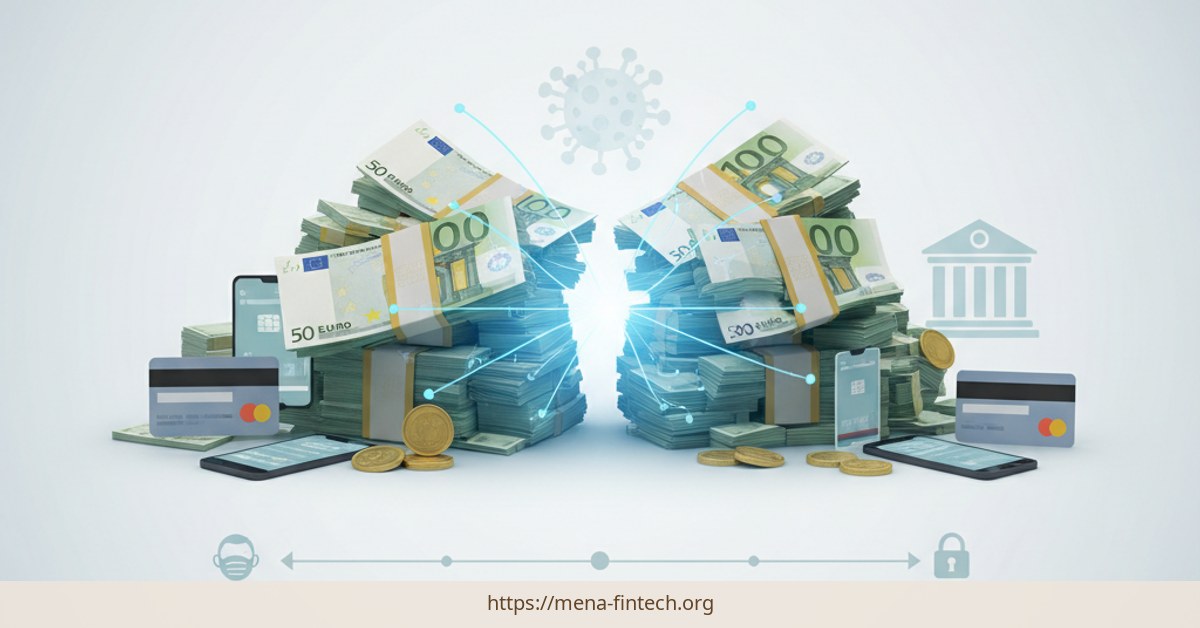
The European Central Bank reports a pause in the decline of cash acceptance, indicating a renewed preference for cash transactions among companies.
ECB’s Findings on Cash Acceptance
The European Central Bank’s latest data reveals a notable shift in corporate payment behavior, with a pause in the long-term decline of cash acceptance that had been observed during and after the Covid-19 pandemic. This trend suggests that companies are increasingly favoring cash over digital payment methods, a reversal of the prior trajectory where digital adoption had accelerated due to lockdowns and contactless transaction demands. The ECB’s findings highlight a potential re-emergence of cash as a preferred medium for business transactions, possibly driven by factors such as transactional simplicity, reduced dependency on digital infrastructure, or evolving consumer preferences in certain sectors.
The data underscores a broader context of post-pandemic economic recalibration, where businesses may be reassessing their reliance on digital payment systems. While the ECB did not specify the geographic scope of this trend, the implications for global payment ecosystems—particularly in regions with nascent digital adoption—are significant. For instance, in markets where digital payment infrastructure is still developing, the renewed preference for cash could delay the integration of fintech solutions, requiring tailored strategies to address hybrid payment models.
Implications for Digital Payment Strategies
The shift in corporate payment preferences raises critical questions for fintech companies operating in the MENA region, where digital payment adoption has been growing but remains uneven across sectors and geographies. Fintechs must now navigate a dual challenge: maintaining the relevance of digital payment infrastructures while accommodating a potential resurgence in cash-based transactions. This could involve re-evaluating product offerings to include hybrid solutions that support both cash and digital channels, or enhancing cash-based services such as mobile cash deposits, cash withdrawal facilitation, or real-time cash flow tracking tools.
For example, in the GCC, where digital payment penetration is higher in urban centers but lower in rural areas, fintechs may need to invest in localized cash management solutions. This could include partnerships with traditional banks to offer integrated services or leveraging mobile technology to streamline cash transactions. Additionally, the trend may prompt fintechs to focus on improving user trust in digital systems, addressing concerns around security, transaction reliability, or regulatory compliance that might be driving the return to cash.
Regulatory Considerations
The potential increase in cash preference among businesses could prompt regulatory bodies in the Middle East and North Africa to reassess existing frameworks governing payment systems. In the GCC, where central banks have been proactive in promoting digital finance—such as Saudi Arabia’s Vision 2030 initiatives or the UAE’s push for a cashless society—this trend may necessitate a more balanced approach. Regulators may need to ensure that policies do not inadvertently disincentivize cash usage while still fostering innovation in digital payment ecosystems.
For instance, in countries like Bahrain or Oman, where cash remains a dominant transactional medium, regulators might explore hybrid regulatory models that accommodate both cash and digital transactions. This could involve updating anti-money laundering (AML) protocols to account for increased cash flows, or creating incentives for businesses to adopt digital tools without compromising operational flexibility. The challenge lies in aligning regulatory goals with the practical realities of business operations, particularly in sectors such as retail, hospitality, or informal economies where cash transactions are still prevalent.
Significance
For the MENA fintech market, the ECB’s findings reflect broader trends in payment preferences that could influence fintech strategies and regulatory considerations. The practical question for regional financial institutions is how to adapt to potential shifts in consumer behavior while maintaining the relevance of digital payment infrastructures. This requires a nuanced understanding of local market dynamics, including varying levels of digital literacy, infrastructure readiness, and cultural preferences for cash.
The implications extend beyond individual fintech companies to the broader ecosystem of financial inclusion. In regions where cash remains a critical component of economic activity, the coexistence of cash and digital payment systems may become a defining feature of the next phase of financial innovation. This could lead to the emergence of new business models, such as embedded finance solutions that integrate cash management with digital services, or the development of hybrid payment gateways that cater to both transactional preferences.
What wasn’t disclosed: The ECB’s report did not specify the geographic scope of the cash preference trend, nor did it provide comparative data on digital payment adoption rates in the MENA region. This omission highlights the need for localized studies to understand the drivers of this shift in specific markets, particularly in the GCC where digital payment adoption varies significantly across sectors and demographics.
Sources
- Companies prefer cash over digital payments – ECB – finextra.com