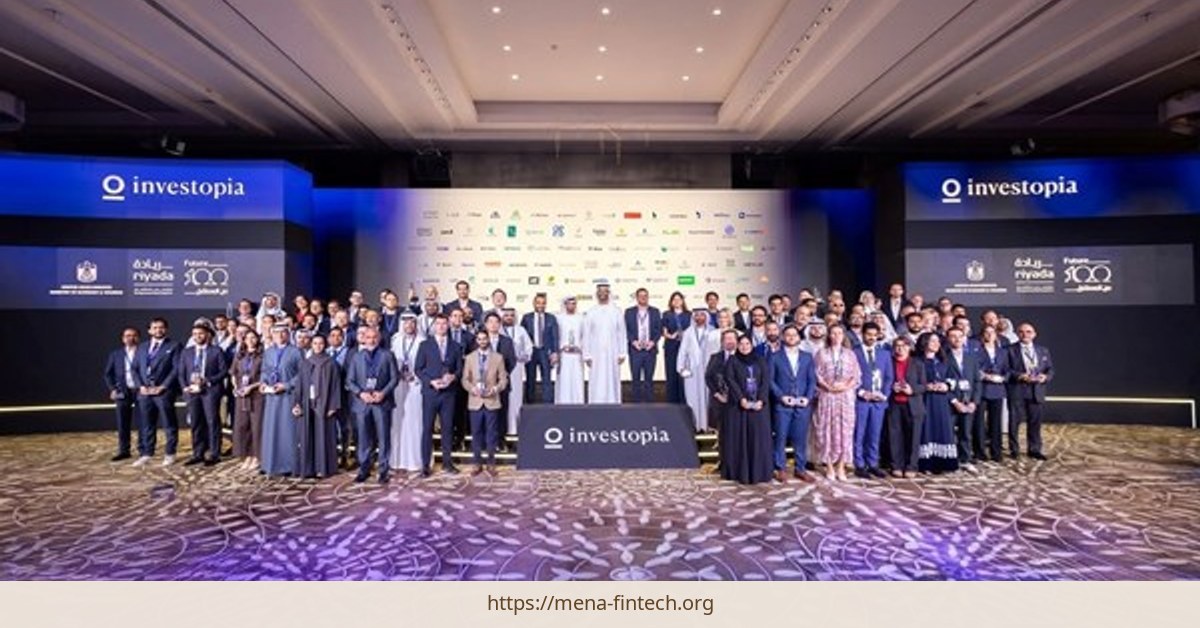
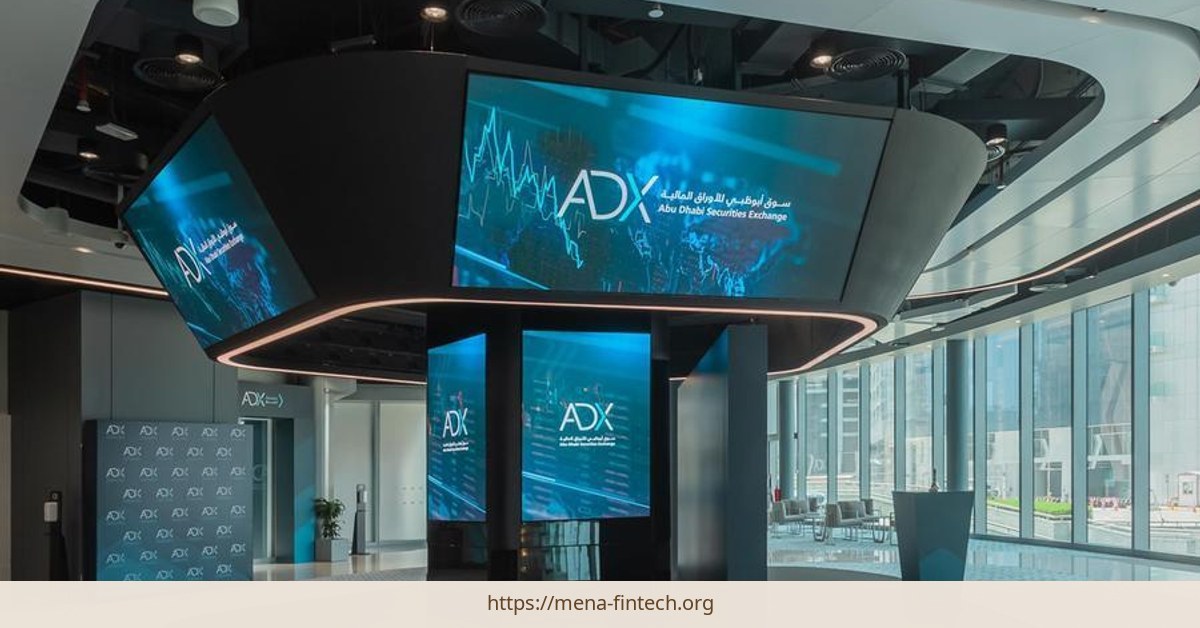
The Abu Dhabi Exchange (ADX) has listed six new Single Stock Futures as of July 13, 2026, aimed at providing investors with enhanced tools for risk management.
Impact on Investment Strategies
The new contracts are designed to help investors hedge exposure and manage risk. These futures will provide access to some of Abu Dhabi’s most important listed companies, including those in energy, finance, and infrastructure sectors, which are critical to the UAE’s economic diversification strategy. By enabling investors to take positions against specific equities, the instruments offer a mechanism to mitigate downside risk in volatile markets. For example, an investor holding shares in a major Abu Dhabi-based energy firm could use the corresponding futures contract to offset potential losses if the stock price declines. This functionality is particularly relevant in the current geopolitical climate, where energy prices and regional stability remain key drivers of market sentiment.
The introduction of these instruments could also enhance liquidity in Abu Dhabi’s stock market by attracting a broader range of participants, including institutional investors and hedge funds, which often rely on derivatives to manage portfolios. For fintech companies focused on trading solutions, the development may prompt a reevaluation of product design to incorporate these new tools. This could involve integrating single stock futures into algorithmic trading platforms, offering real-time analytics for derivatives, or developing mobile applications tailored to retail investors seeking to hedge their exposure. Such innovations align with the broader trend of digital transformation in financial services, where technology is increasingly used to democratize access to complex financial instruments.
Market Implications
The launch of Single Stock Futures represents a significant step in financial innovation within the MENA region. It aligns with global trends in financial instruments, offering investors new ways to manage risk and exposure. The UAE has been a regional leader in adopting advanced financial products, and this move further cements its position as a hub for capital markets innovation. For instance, the ADX’s previous introduction of ETFs and options trading has already demonstrated its commitment to expanding the range of investment vehicles available to local and international investors.
However, the announcement did not disclose investment size, ownership terms, regulatory approvals, named banking partners, launch markets, or committed transaction volumes. It also did not confirm when the first live corridor or commodity product would move into production. These omissions raise questions about the scale and timeline of the initiative. Typically, such details are critical for market participants to assess the potential impact of new financial products. For example, the absence of named banking partners could indicate that the ADX is still in the process of finalizing collaborations with custodians, brokers, or clearinghouses, which are essential for the seamless execution of futures contracts.
Significance: For MENA fintech, the announcement reflects the continued innovation in financial instruments within the UAE. It also highlights the potential for blockchain providers to seek distribution through regulated financial institutions, as tokenization and smart contracts are increasingly being explored for derivatives trading. For regional financial institutions, the practical question will be whether the joint venture can translate its corridor and tokenization plans into licensed, bank-compatible services across multiple jurisdictions. Until specific approvals, partners, and launch volumes are disclosed, the development is best treated as an infrastructure initiative to monitor rather than a completed market rollout.
What Wasn’t Disclosed
The announcement did not specify the investment size, ownership structure, or regulatory approvals for the new futures. It also did not name specific banking partners or provide details on expected transaction volumes or launch timelines. These gaps in information are notable, as they could affect the clarity of the ADX’s strategic vision. For instance, the absence of regulatory approvals might suggest that the initiative is still awaiting final clearance from the UAE’s Financial Services Regulatory Authority (FSRA) or other relevant bodies. Similarly, the lack of transaction volume projections could indicate that the ADX is cautious about overhyping the potential impact of the new contracts, or that the market response is still uncertain.
The omission of named banking partners is particularly intriguing, as partnerships with major banks are often pivotal in the successful adoption of new financial products. In the UAE, institutions like Emirates NBD, Abu Dhabi Commercial Bank, and Mashreq Bank have historically played key roles in facilitating derivatives trading. Their involvement could influence the speed at which these futures are adopted by retail and institutional investors. Additionally, the absence of details on launch markets raises questions about whether the futures will be available exclusively on the ADX or if they will be listed on other regional exchanges, such as the Saudi Stock Exchange (Tadawul) or the Qatar Exchange.
Sources
- ADX lists 6 new Single Stock Futures – zawya.com
Image: static.zawya.com