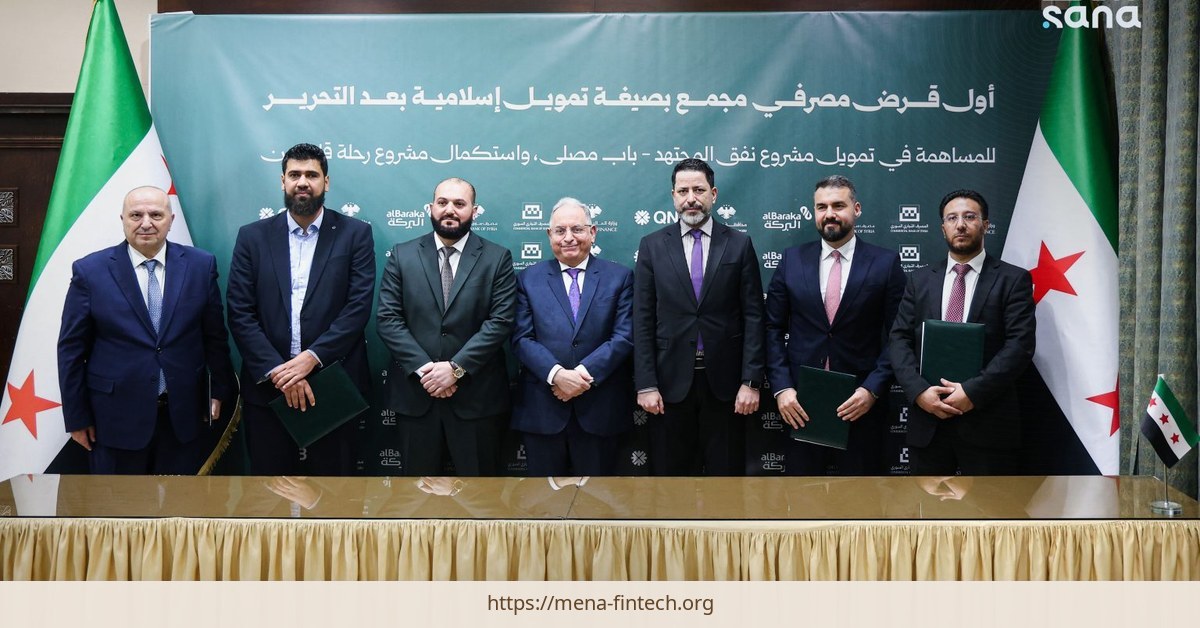
Syria has signed an agreement to launch its first syndicated Islamic financing project since liberation, marking a pivotal moment for its financial landscape. The initiative, backed by Al Baraka Bank Syria, Qatar National Bank Syria, and the state-owned Commercial Bank of Syria, aims to support infrastructure development in Damascus. This development aligns with broader efforts to stabilize the country’s economic framework following years of conflict and disruption.
Financing Details
The financing arrangement is supported by the Ministry of Finance and the Central Bank of Syria, underscoring the government’s commitment to post-conflict reconstruction. Funds will be allocated for the construction of the Al-Mujtahid–Bab Musalla tunnel, a critical infrastructure project in the capital. This collaboration involves multiple financial institutions and government bodies, reflecting a coordinated effort to address post-conflict reconstruction needs. The tunnel project is expected to enhance transportation efficiency and connectivity in Damascus, potentially boosting local economic activity and facilitating trade.
Significance for Economic Recovery
For Syria, this initiative represents a significant step toward revitalizing its economy and infrastructure post-conflict. The project could serve as a model for future investments in the region, potentially attracting further participation from regional banks and financial institutions. However, the lack of corroboration from additional sources means the full impact of this deal remains to be seen. The use of Islamic financing mechanisms, which align with Sharia-compliant principles, may also appeal to regional investors seeking ethical and religiously aligned investment opportunities.
What wasn’t disclosed in the announcement includes the total funding amount, ownership terms, regulatory approvals, named banking partners beyond the three listed, launch markets, or committed transaction volumes. These gaps highlight the need for further transparency as the project progresses. The absence of detailed financial metrics raises questions about the scale and sustainability of the initiative, particularly in a country still grappling with economic challenges.
Significance: For the MENA fintech ecosystem, this development underscores the potential of Islamic financing mechanisms in post-conflict reconstruction. It also highlights the role of state-backed financial institutions in facilitating large-scale infrastructure projects. For regional financial institutions, the practical question is whether this model can be replicated in other conflict-affected areas while meeting modern compliance and cross-border regulatory requirements. The success of this project could influence future policy frameworks and investment strategies in the region, particularly in countries with similar post-conflict economic needs.
Sources
- Syria Launches First Syndicated Islamic Financing Deal for Damascus Development Projects – menastartupdigest.com
Image: cdn.sananews.sy