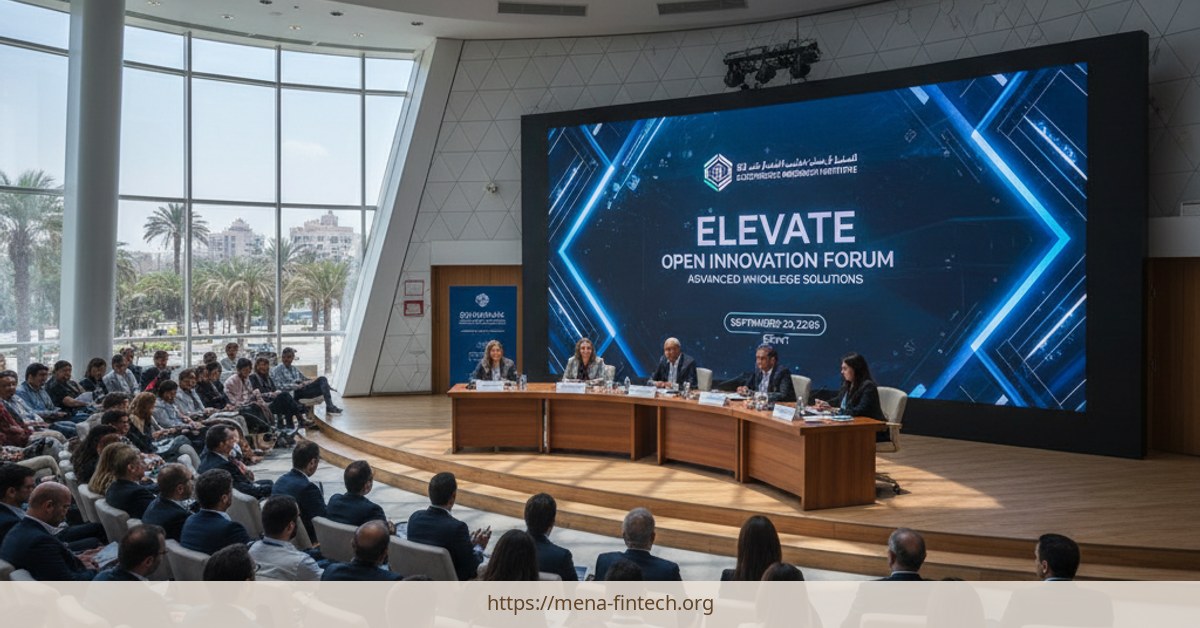
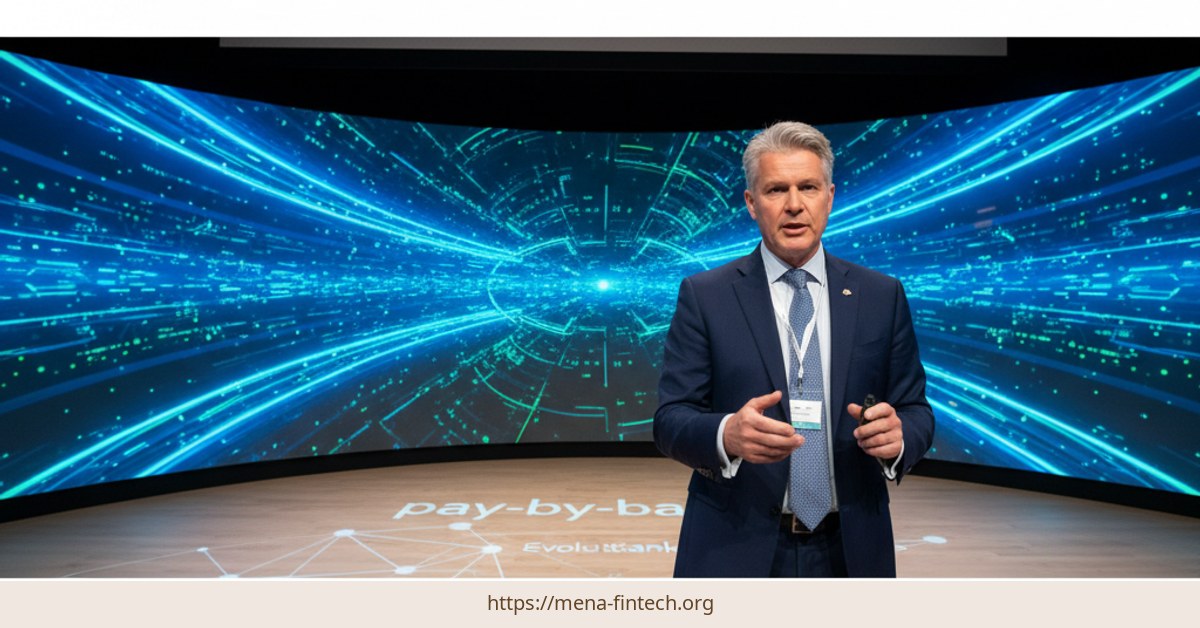
Dean Wallace, Director of Consumer Payments Modernisation at ACI Worldwide, highlighted the evolution of pay-by-bank solutions at Payments Unleashed in London. His remarks underscored the growing interest in alternatives to traditional card payments while emphasizing the challenges that remain in widespread adoption.
Current Landscape of Pay-by-Bank Solutions
Pay-by-bank is positioned as a successful alternative to card payments, offering a direct, secure method for transferring funds through a user’s bank account. However, its adoption faces significant hurdles, particularly in the MENA region where card payments remain deeply entrenched. According to Wallace, the existing infrastructure and consumer habits around card payments present a formidable barrier to the rapid growth of pay-by-bank solutions.
The technology enables faster, lower-cost transactions by eliminating intermediaries like card networks. Yet, its implementation requires seamless integration with banking systems, robust security measures, and consumer education. In the MENA region, where digital banking penetration varies widely, these requirements pose distinct challenges for both banks and fintech innovators. For instance, in countries like the UAE and Saudi Arabia, where digital banking adoption is relatively advanced, the groundwork for pay-by-bank solutions may be more favorable. However, in other parts of the region, such as rural areas or less developed economies, the lack of reliable internet infrastructure and digital literacy could further delay adoption.
The persistence of cash and card usage in the MENA region is not merely a matter of preference but also a reflection of systemic factors. Traditional card networks are deeply integrated into the region’s financial ecosystem, supported by established merchant ecosystems, consumer trust, and regulatory frameworks. Transitioning to pay-by-bank solutions would require not only technological upgrades but also a cultural shift in consumer behavior, which is a complex and time-consuming process.
Implications for Traditional Banking Models
Fintech companies are increasingly exploring pay-by-bank solutions as a way to disrupt traditional banking models. By offering consumers a more direct and cost-effective payment method, these solutions could reduce reliance on card networks and shift transaction dynamics. However, the transition is not without risks for established banks, which may face pressure to modernize their infrastructure to remain competitive.
The implications for traditional banks are multifaceted. On one hand, the rise of pay-by-bank solutions could erode their role as intermediaries in payment transactions, potentially reducing revenue streams from card transaction fees. On the other hand, it could also present an opportunity for banks to enhance their digital offerings and strengthen customer relationships by providing seamless, secure payment experiences. This dual challenge necessitates a strategic reevaluation of how banks position themselves in the evolving payments landscape.
Consumer attitudes toward pay-by-bank versus traditional card payments are evolving, but adoption rates remain low. In the MENA region, where cash and card usage are still prevalent, the shift to digital alternatives will depend on trust in digital banking systems and the perceived convenience of pay-by-bank options. Trust is a critical factor, as consumers in the region have historically been cautious about digital transactions due to concerns about security and privacy. Building this trust requires not only robust security measures but also transparent communication and education about the benefits of pay-by-bank solutions.
Future Prospects and Challenges
Understanding consumer attitudes is vital for fintech companies seeking to scale pay-by-bank solutions in the MENA region. The success of these initiatives will hinge on addressing friction points such as user experience, regulatory compliance, and interoperability with existing banking systems. Collaboration between banks and fintechs will be essential to build the necessary infrastructure and drive adoption.
The need for a unified approach to payment standards and regulatory frameworks cannot be overstated. Without clear guidelines and industry-wide cooperation, the potential of pay-by-bank solutions to transform the payments landscape in the MENA region may remain unrealized. For example, the absence of standardized APIs for banking systems could hinder the seamless integration required for pay-by-bank solutions. Similarly, regulatory ambiguity around data privacy and cross-border transactions could create additional barriers for fintechs aiming to operate across multiple countries in the region.
The future of pay-by-bank solutions in the MENA region will also depend on the pace of digital transformation within the banking sector. As more banks invest in digital infrastructure and adopt open banking models, the ecosystem may become more conducive to the growth of pay-by-bank solutions. However, this process is likely to be gradual, requiring sustained investment and policy support.
Significance: For the MENA fintech ecosystem, the discussion around pay-by-bank solutions highlights the ongoing tension between innovation and legacy systems. The region’s banks and fintechs must navigate this landscape carefully, balancing the pursuit of new technologies with the realities of consumer behavior and regulatory environments. The practical question for market participants is whether the current friction in adoption can be overcome through collaborative innovation or if traditional card payments will continue to dominate the region’s payment ecosystem.
What wasn’t disclosed: The announcement did not provide specific data on pay-by-bank adoption rates in the MENA region, regulatory stances on the technology, or named financial institutions actively developing or deploying pay-by-bank solutions. It also did not clarify the timeline for potential regulatory approvals or consumer education campaigns that might accelerate adoption.
Sources
- What’s the Right Level of Friction for Pay-by-Bank? – finextra.com