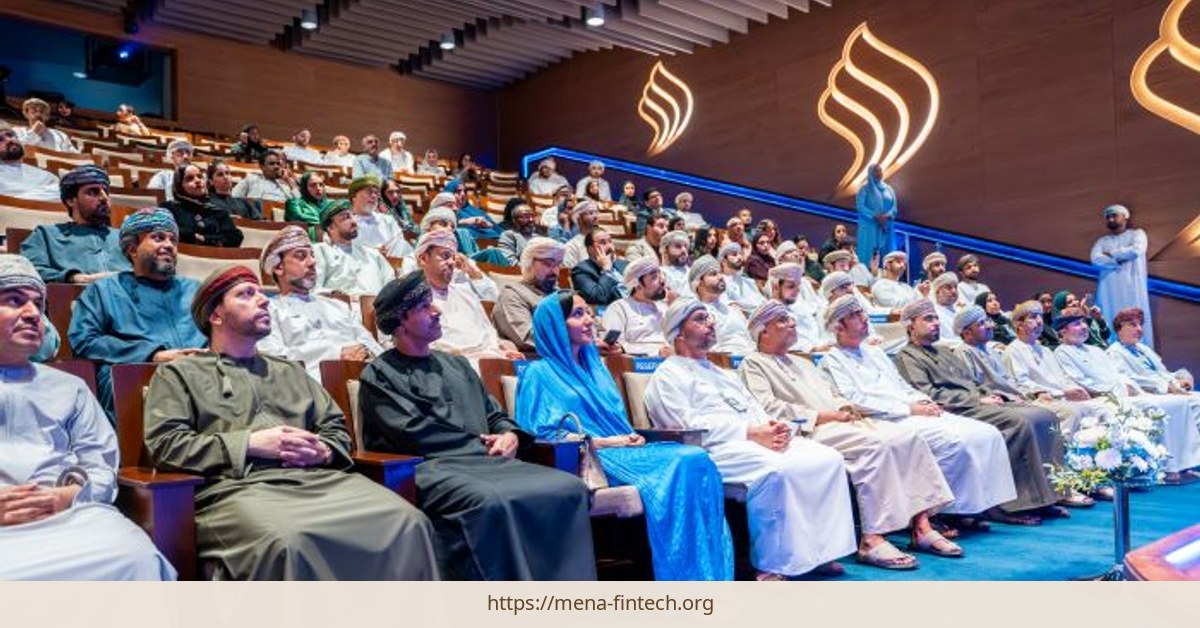
Oman National Bank completed its second fintech accelerator cohort on September 26, 2026, showcasing six innovative startups during a demo day in Muscat. The program highlights the bank’s commitment to fostering digital solutions in payments, wealth management, and fraud prevention.
Innovative Solutions from the Startups
The six startups presented solutions addressing key gaps in the MENA fintech ecosystem:
- Rushd Capital is developing a Sharia-compliant digital wealth advisory platform, aligning with Islamic finance principles. This addresses the demand for ethical investment options in a region where Islamic finance frameworks govern financial transactions.
- Payce focuses on QR-based payment systems to streamline small business transactions. By reducing reliance on cash, Payce aims to modernize transaction processes for micro-enterprises across the Gulf Cooperation Council (GCC).
- CardO is working on bill-splitting tools for social and group payments. This innovation caters to the growing need for seamless, real-time transaction management among friends, families, and colleagues.
- Cxingularity enhances fraud prevention measures through AI-driven transaction monitoring. Its technology could help banks meet rising cybersecurity demands, particularly in a region experiencing increased digital banking adoption.
- Bayzati innovates in digital payment solutions for cross-border remittances. This addresses the challenge of high fees and slow processing times for migrant workers sending money to their home countries in the MENA region.
- Aman creates wealth management tools tailored for individual investors. These tools aim to democratize access to investment strategies, enabling retail investors to manage their portfolios more effectively.
Significance of the Accelerator Program
Oman National Bank’s accelerator program aligns with broader GCC initiatives to position the region as a fintech innovation hub. The inclusion of Sharia-compliant solutions reflects the unique regulatory and cultural context of the MENA market, where Islamic finance frameworks shape product design and adoption.
The startups’ focus on payments, fraud prevention, and wealth management addresses immediate needs for digital infrastructure in the region. For example, Payce’s QR-based system could reduce reliance on cash in small businesses, while Cxingularity’s AI tools may help banks meet rising cybersecurity demands.
However, the announcement lacks details on funding amounts, regulatory approvals, and commercial partnerships. These gaps require clarification to assess the startups’ scalability and the bank’s long-term strategy for embedding these solutions into its ecosystem.
Significance: For the MENA fintech market, the program underscores the growing role of accelerators in bridging innovation and institutional adoption. Regional banks and regulators may look to this initiative as a model for fostering startups that align with local financial frameworks. For market participants, the practical question is whether these solutions will translate into licensed, bank-compatible services across multiple jurisdictions.
Sources
- Oman National Bank Graduates Six Fintech Startups from Second Accelerator Cohort – menastartupdigest.com
Image: shabiba.eu-central-1.linodeobjects.com