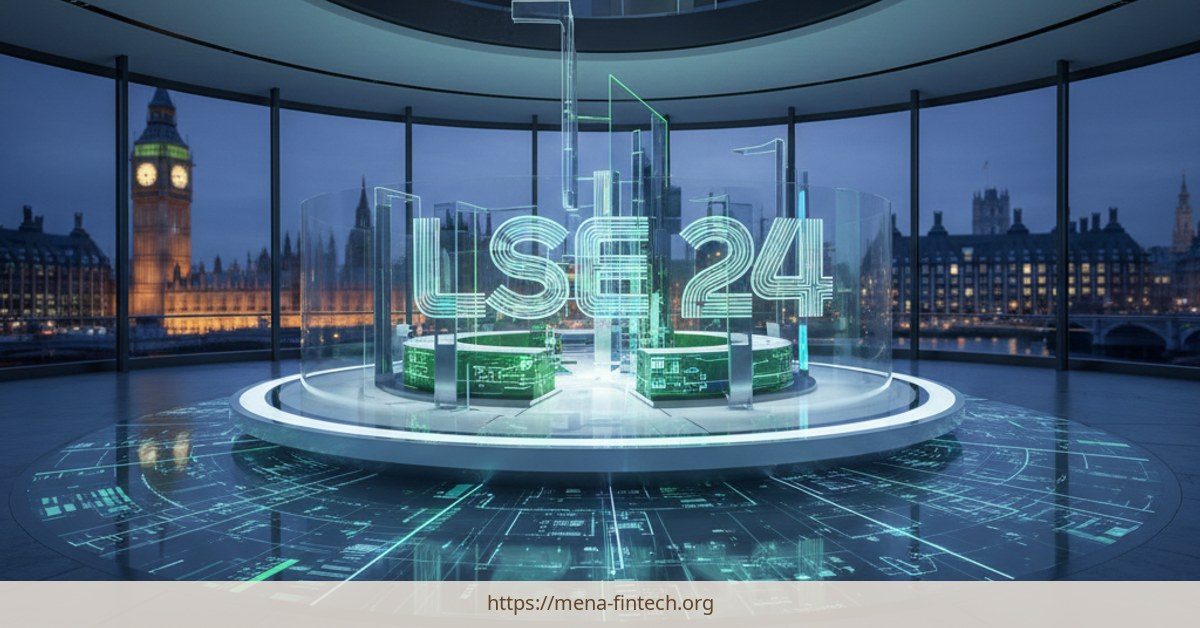
The London Stock Exchange announced plans to launch LSE 24, a new trading venue designed to operate 24 hours a day, five days a week.
LSE 24 Overview
LSE 24 will operate continuously, five days a week, and is designed to support digital, algorithmic, and agentic trading. The venue aims to enhance trading capabilities by extending operational hours beyond traditional market close times. This development aligns with global trends toward more flexible trading environments, reflecting the evolving landscape of financial markets. The initiative is part of a broader industry shift toward accommodating round-the-clock trading demands driven by algorithmic strategies, cross-border capital flows, and the increasing digitization of financial services. By eliminating the traditional market close, LSE 24 seeks to provide market participants with greater flexibility to execute trades during periods of heightened volatility or liquidity in different time zones. This model mirrors similar efforts by other global exchanges, such as the Nasdaq’s continuous trading model and the Tokyo Stock Exchange’s extended hours, which have demonstrated benefits for market efficiency and accessibility.
Impact on MENA Fintech
The launch of LSE 24 could influence trading strategies for fintech companies in the MENA region. Regional firms may need to adapt to new trading technologies and environments, particularly those focused on digital and algorithmic trading. The extended trading window may create opportunities for MENA-based fintechs to integrate with global markets, but it also raises questions about how local institutions will align with these changes. For instance, fintechs operating in the Gulf Cooperation Council (GCC) countries may need to enhance their infrastructure to support real-time data processing and algorithmic execution during non-traditional hours. This could involve upgrading cloud-based systems, improving latency management, and ensuring compliance with cross-border regulatory frameworks. Additionally, the continuous trading model may encourage MENA-based firms to explore partnerships with global liquidity providers or to develop localized trading platforms that bridge the gap between regional and international markets. However, challenges such as time zone disparities, infrastructure costs, and the need for regulatory alignment could pose barriers to immediate adoption.
Regulatory Implications
LSE 24 aligns with global trends in trading, potentially prompting adjustments in regulatory approaches within the GCC. Regulators may need to evaluate how continuous trading operations affect market stability, compliance frameworks, and cross-border financial flows. The initiative could also encourage dialogue between MENA regulators and international counterparts on harmonizing trading standards. For example, the Saudi Arabian Monetary Authority (SAMA) and the UAE’s Central Bank have previously emphasized the need for regulatory frameworks that support innovation while mitigating systemic risks. The introduction of LSE 24 may necessitate updates to existing regulations governing market hours, settlement processes, and investor protections. In particular, regulators may need to address concerns related to market manipulation, price discovery during extended hours, and the adequacy of investor education programs for users engaging in non-traditional trading windows. Cross-border coordination could also become critical, as MENA-based firms participating in LSE 24 may need to comply with both regional and European Union (EU) regulatory requirements, depending on their business models and client bases.
Significance: For MENA fintech, the announcement reflects the continued evolution of trading infrastructure and the growing integration of digital and algorithmic tools into financial markets. The development underscores the need for regional firms to monitor global trends and consider how extended trading hours might influence their product offerings, partnerships, and compliance strategies. For market participants, the practical question is how MENA-based fintechs and financial institutions can leverage LSE 24’s model to enhance their own digital trading capabilities while navigating regulatory and operational challenges. This includes assessing the feasibility of adopting similar 24/5 trading models for regional markets, which may require collaboration with local exchanges or the development of hybrid platforms that combine continuous trading with traditional market structures.
The announcement did not disclose financial terms, regulatory approvals, named banking partners, or specific implementation timelines. It also did not confirm when the first live trading corridors would be activated. Key details such as the initial asset classes supported by LSE 24, the technological architecture underpinning its operations, and the potential impact on liquidity providers remain unspecified. Additionally, the absence of named regional partners raises questions about how MENA-based firms might integrate with the new venue, particularly in the absence of clear pathways for cross-border connectivity or regulatory alignment. The lack of transparency around implementation timelines could also affect the ability of regional fintechs to plan for infrastructure upgrades or strategic partnerships.
Sources
- London Stock Exchange to launch new trading venue LSE 24 – finextra.com