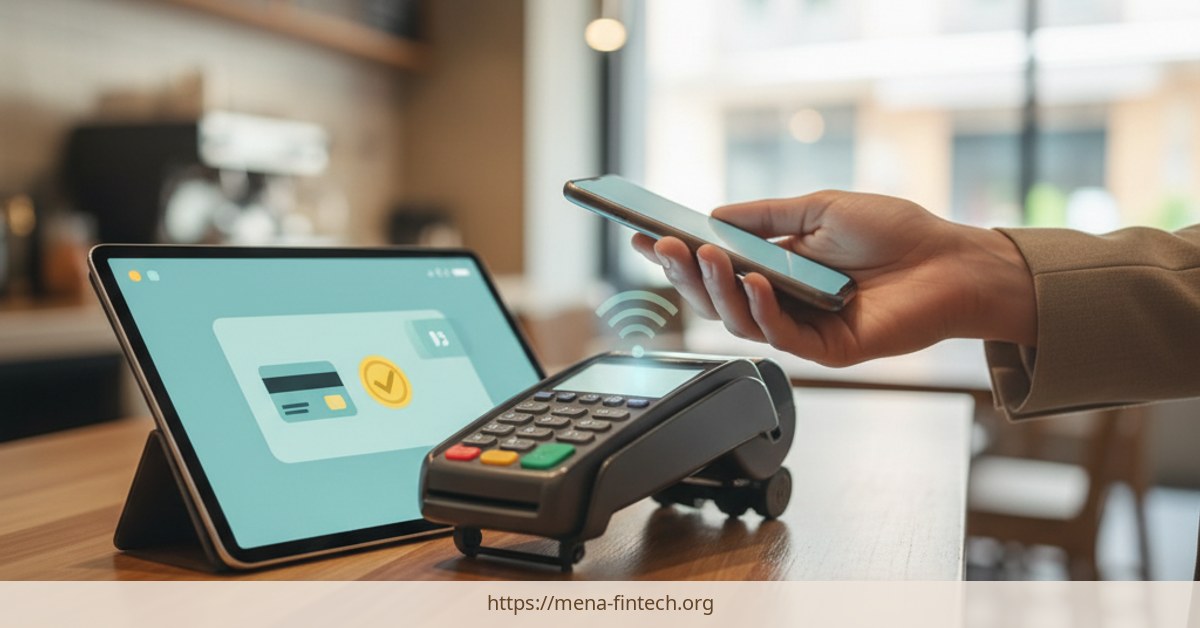
Seamless transactions are becoming the norm as consumers increasingly prefer local payment options like digital wallets and mobile taps.
Local Payment Method Integration
Finextra reports that paying has become easier with options like tapping a phone or approving a digital wallet. The importance of local payment methods in enhancing customer experience is underscored by the growing adoption of these solutions across the MENA region. As fintech companies continue to innovate, the integration of local payment methods is seen as a critical step in improving user convenience and driving broader financial inclusion. This shift reflects a broader trend toward embedded finance, where payment solutions are embedded within everyday tools and platforms, reducing friction for users and enabling more seamless financial interactions. In markets like the UAE and Saudi Arabia, where mobile penetration exceeds 90%, the demand for localized, frictionless payment experiences is particularly acute. These methods not only cater to consumer preferences but also align with the region’s push for digital transformation, as outlined in national strategies such as Saudi Arabia’s Vision 2030 and the UAE’s Smart Dubai initiative. The integration of local payment methods is thus not merely a technical upgrade but a strategic alignment with macroeconomic goals.
Challenges for Fintech Companies
Fintech companies face significant technological and regulatory hurdles in adopting new payment technologies. These challenges include ensuring compliance with local regulations, integrating with existing financial infrastructure, and building consumer trust in emerging payment solutions. Collaboration with local banks and payment providers is essential to navigate these complexities and ensure that new payment methods are both secure and user-friendly. The fragmented regulatory landscape across the MENA region adds another layer of difficulty. For instance, while the Central Bank of the UAE (CBUAE) has been proactive in fostering innovation through sandboxes and regulatory clarity, other jurisdictions may lag in providing similar frameworks. This disparity requires fintechs to tailor their approaches to each market, often involving localized compliance teams and partnerships with regional financial institutions. Additionally, the integration of legacy systems with modern payment infrastructures poses technical challenges, particularly for banks with outdated core systems. Cybersecurity remains a critical concern, as the rise of digital wallets and mobile payments increases the attack surface for fraud and data breaches. Fintechs must invest in robust security protocols and real-time fraud detection mechanisms to maintain consumer confidence.
Regulatory Implications
Regulatory bodies play a pivotal role in shaping the future of payment infrastructures in the GCC. Regulations can either facilitate or hinder the adoption of local payment methods, depending on their design and enforcement. Key regulatory bodies such as the Central Bank of the UAE (CBUAE), Saudi Arabian Monetary Authority (SAMA), and the Dubai Financial Services Authority (DFSA) are actively involved in creating frameworks that support innovation while maintaining financial stability. For example, the CBUAE has introduced initiatives to promote digital banking, including licensing for neobanks and guidelines for open banking. Similarly, SAMA has been working on modernizing its regulatory framework to accommodate electronic money institutions and cross-border payment solutions. These efforts are part of a broader regional push to position the GCC as a hub for financial innovation. However, the pace of regulatory adaptation varies, with some countries prioritizing stability over rapid innovation. This creates a dynamic environment where fintechs must balance compliance with the need to stay ahead of market trends. The DFSA, for instance, has been instrumental in setting standards for financial technology in Dubai’s free zones, which serve as testing grounds for new payment models. These regulatory interventions are crucial in ensuring that the integration of local payment methods does not compromise financial integrity while enabling the growth of a competitive fintech ecosystem.
Significance:
For the MENA fintech market, the integration of local payment methods reflects a broader shift toward embedded financial distribution, where merchant platforms are used to surface banking and credit products inside day-to-day business tools. This trend is reshaping the relationship between consumers, merchants, and financial institutions, with payment infrastructure becoming a gateway to broader financial services. For banks, acquirers, and SME-focused fintechs across MENA, the development underscores the growing overlap between payment infrastructure, digital banking, and working-capital access. The practical question for regional financial institutions is how to structure these new payment models to meet modern compliance and cross-border regulatory requirements while preserving the core intent of enhancing consumer experience. As the ecosystem evolves, the ability to harmonize innovation with regulatory expectations will determine the success of local payment solutions in driving financial inclusion and economic growth.
Sources
- The next payments battleground is behind the checkout – finextra.com