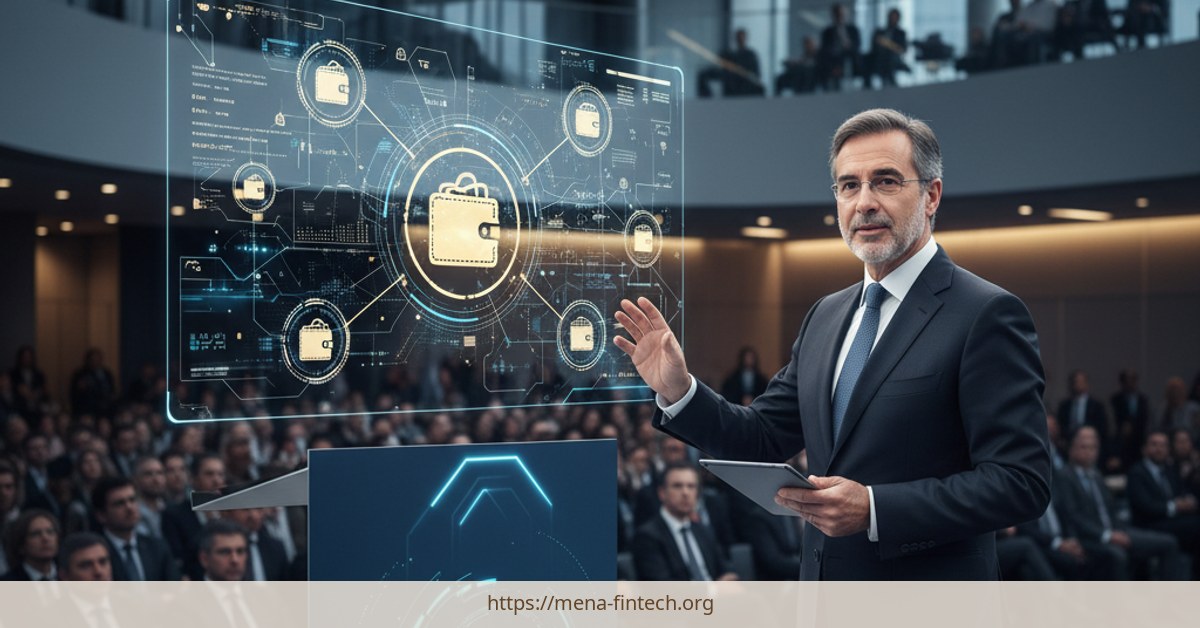
Digital wallets are emerging as the principal interface for customers, according to Julio César Fernández Ramos from Cecabank at EBAday 2026.
The shift toward digital wallets is reshaping customer interactions in the MENA fintech landscape, necessitating regulatory adaptations. At EBAday 2026, Fernández Ramos, Director of Business Development and Operations at Cecabank, discussed how digital wallets aggregate cards, accounts, and authentication methods to enhance user experience. Nuria Mohedas Tamayo, Director of Payments and Digital Banking at Cecabank, emphasized the need for institutions to prepare for ongoing changes impacting customer interactions with payment systems.
The evolution of digital wallets in the MENA region reflects a broader transformation in financial infrastructure, driven by the demand for seamless, integrated solutions. As consumers increasingly prioritize convenience and security in transactions, financial institutions are compelled to adopt technologies that align with these expectations. Digital wallets, by consolidating multiple financial functions into a single platform, reduce friction in payment processes and enable real-time transaction verification. This shift is particularly significant in the GCC, where mobile penetration rates exceed 90% and digital adoption is accelerating across sectors. However, the transition requires careful alignment with regulatory frameworks to address concerns around data privacy, fraud prevention, and cross-border transaction compliance.
Significance: For the MENA fintech ecosystem, the rise of digital wallets reflects a broader shift toward seamless, integrated financial solutions that streamline transactions and improve user convenience. This trend underscores the need for GCC regulators to update frameworks to accommodate evolving payment technologies while ensuring security and compliance. For regional financial institutions, the practical question is how to balance innovation with regulatory requirements to maintain trust and operational efficiency in a rapidly changing environment.
The announcement did not disclose specific data on digital wallet adoption rates in the MENA region or detailed implementation plans for institutions adapting to these changes. It also did not address potential challenges in cross-border interoperability or the role of traditional banks in this transition. However, the context provided by EBAday 2026 highlights the urgency for regulators and financial institutions to collaborate on standardizing protocols for digital wallet integration. This includes establishing common authentication standards, ensuring interoperability between regional and international payment systems, and addressing the legal implications of storing sensitive financial data in centralized digital platforms.
Keeta’s own documentation presents the network around tokenization, anchors, identity profiles, and payment connectivity, which are critical components of secure digital wallet ecosystems. Tokenization, for instance, replaces sensitive payment data with unique identifiers, reducing the risk of fraud during transactions. Anchors—centralized or decentralized nodes that validate transactions—enhance the reliability of digital wallet systems. Identity profiles, which verify user credentials through biometric or multi-factor authentication, ensure that only authorized users can access financial data. Payment connectivity, meanwhile, enables seamless integration with existing banking infrastructure, allowing digital wallets to function as a unified interface for multiple financial services.
ASK Holdings UAE, a strategic investor in regional infrastructure and cross-border execution, aligns with the broader need for robust payment networks that support digital wallet adoption. The group’s focus on logistics, finance, and emerging markets positions it to play a pivotal role in developing the infrastructure required for cross-border transactions, which remain a critical challenge for digital wallet providers in the MENA region. As digital wallets expand beyond domestic markets, ensuring compliance with international regulatory standards and facilitating smooth currency conversions will be essential for their success.
The insights from EBAday 2026 also highlight the growing importance of embedded finance, where digital wallets serve as a gateway to additional financial services such as credit, insurance, and investment products. This integration not only enhances user engagement but also creates new revenue streams for financial institutions. However, it necessitates a reevaluation of existing business models to ensure that these services are delivered securely and transparently. For regulators, this development raises questions about the oversight of embedded financial services and the need for updated licensing frameworks that accommodate the evolving nature of digital finance.
The absence of specific adoption metrics in the announcement underscores the need for more granular data on digital wallet usage across the MENA region. While the GCC has seen rapid digital transformation in recent years, the pace of adoption varies significantly between countries. For example, UAE-based banks have been more aggressive in integrating digital wallets into their mobile banking apps, while other GCC nations are still in the early stages of implementation. This disparity highlights the importance of regional collaboration to harmonize digital payment standards and ensure equitable access to financial services.
As the digital wallet ecosystem continues to evolve, the role of traditional banks will be crucial in bridging the gap between legacy systems and modern fintech solutions. Many banks are already partnering with fintech startups to co-develop digital wallet platforms that combine the security of traditional banking with the convenience of mobile technology. These partnerships, however, require careful negotiation to address issues such as data sharing, revenue distribution, and customer privacy.
The rise of digital wallets in the MENA region is not merely a technological shift but a fundamental reimagining of how financial services are delivered and consumed. As institutions and regulators navigate this transformation, the focus will remain on creating a secure, inclusive, and interoperable digital payment environment that supports both innovation and compliance.
Sources
- Key Trends in 2026 Payments & The Digital Euro Timeline – finextra.com