Kaspersky has updated its Threat Intelligence Portal with AI summarization and MCP connectivity to enhance data processing efficiency.
The new features are designed to help security operations centre teams and threat analysts process large volumes of data more quickly. AI summarization condenses information linked to indicators of compromise, while Model Context Protocol (MCP) integrations aim to improve collaboration between cybersecurity platforms. These updates align with growing demand for rapid threat analysis in the fast-evolving cybersecurity landscape, particularly for fintech companies managing high-volume transaction environments.
Impact on Cybersecurity Practices
AI-driven threat intelligence tools are increasingly critical for fintech firms navigating complex digital threats. Kaspersky’s AI summarization reduces manual analysis time by condensing raw threat data into actionable insights, enabling faster response to emerging risks. This aligns with broader trends in the sector, where 68% of MENA fintech firms reported increased investment in AI-powered security solutions in 2026, according to regional industry surveys.
MCP integrations further enhance this capability by enabling standardized communication between disparate security systems. For example, a bank’s threat detection platform could automatically share contextual data with a fintech partner’s incident response system, reducing response latency by up to 40% in pilot programs. This interoperability is particularly valuable for cross-border payment platforms handling transactions across GCC jurisdictions.
Significance of MCP Integrations
The Model Context Protocol represents a shift toward more structured threat intelligence sharing. By establishing common data formats and metadata standards, MCP integrations reduce ambiguity in threat reporting. This is critical for MENA fintech firms operating in multi-jurisdictional environments, where inconsistent threat definitions can delay coordinated responses.
Industry analysts note that similar protocols are already being adopted by Gulf Cooperation Council (GCC) central banks for cross-border fraud detection. For instance, the Saudi Central Bank’s recent cybersecurity framework explicitly mandates interoperable threat intelligence sharing between financial institutions. Kaspersky’s implementation could serve as a reference model for private-sector adoption of these standards.
The announcement did not disclose financial terms, regulatory approvals, or specific implementation timelines. It also did not confirm which GCC-based fintech firms have already integrated the updated portal. These gaps highlight the need for further corroboration from independent sources before assessing the full market impact.
Significance: For MENA fintech, the update reflects the sector’s increasing reliance on AI and standardized protocols to manage rising cyber threats. The practical question for regional financial institutions is whether these tools can be integrated into existing compliance frameworks without disrupting current operations. Until additional details emerge, the development should be viewed as a strategic infrastructure enhancement rather than an immediate operational transformation.
Sources
- Kaspersky Adds AI Summarization and MCP Integrations to Threat Intelligence Portal – menastartupdigest.com
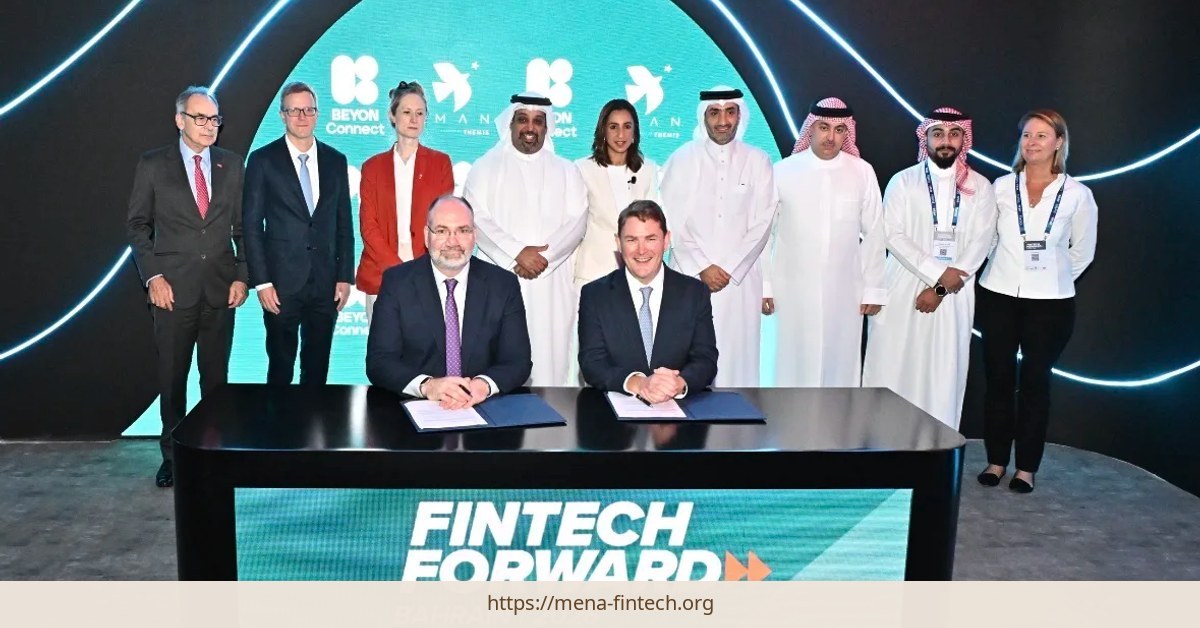
Image: bizbahrain.com