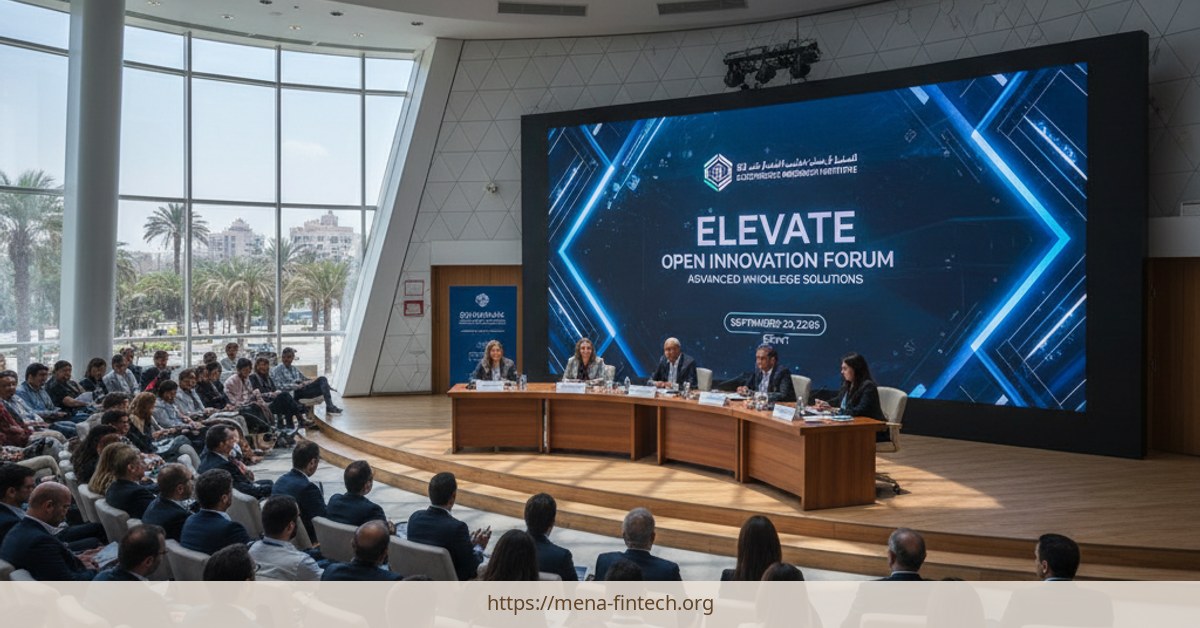

Tom Gregory, Head of Treasury Management at TD Bank, authored the article on July 20, 2026, highlighting the challenges and opportunities presented by agentic AI in treasury operations. The discussion centers on the implications of autonomous execution within financial institutions, emphasizing the need for rethinking control mechanisms as AI technologies evolve.
Challenges and Opportunities
Agentic AI, a subset of artificial intelligence capable of autonomous decision-making, has the potential to revolutionize treasury management by streamlining processes such as transaction processing, liquidity forecasting, and risk assessment. By reducing human error and accelerating execution, AI systems can enhance operational efficiency. However, the delegation of critical financial decisions to autonomous systems raises concerns about accountability and oversight. Gregory underscores that while agentic AI offers efficiency gains, financial institutions must address the risk of over-reliance on algorithms, which could lead to unintended consequences if not properly monitored. The balance between automation and human intervention remains a central challenge, particularly as AI systems become more complex and less transparent in their decision-making processes.
In the context of treasury management, agentic AI could automate high-frequency tasks such as foreign exchange hedging or interbank settlement, reducing manual workload and minimizing exposure to market volatility. However, the lack of standardized frameworks for evaluating AI-driven decisions complicates compliance with existing financial regulations. For example, regulatory requirements around transparency, auditability, and risk mitigation may not yet account for the unique characteristics of autonomous systems. This gap necessitates a reevaluation of governance models to ensure that AI tools align with institutional risk appetites and regulatory expectations.
Regulatory Implications
As agentic AI becomes more integrated into treasury operations, regulators face the challenge of adapting existing frameworks to address the evolving role of AI in financial systems. Compliance with regulations such as anti-money laundering (AML) and know-your-customer (KYC) protocols may become more complex, as AI systems may process data in ways that are difficult to audit or interpret. The MENA fintech sector, in particular, must navigate a fragmented regulatory landscape where cross-border compliance requirements vary significantly between jurisdictions. This complexity is compounded by the need to align AI-driven treasury practices with regional policies on data privacy, cybersecurity, and financial stability.
Regulatory bodies in the Middle East and North Africa are beginning to explore how to incorporate AI into their supervisory tools. For instance, central banks in the Gulf Cooperation Council (GCC) have shown interest in leveraging AI for real-time monitoring of financial transactions. However, the absence of clear guidelines on AI accountability and liability in the event of system failures remains a critical issue. Gregory notes that financial institutions must proactively engage with regulators to shape policies that balance innovation with consumer protection, ensuring that AI adoption does not compromise the integrity of financial systems.
Strategic Decision-Making
For financial institutions in the MENA fintech sector, the integration of agentic AI into treasury management requires a strategic approach that prioritizes both innovation and risk management. Training programs for treasury professionals must evolve to include AI literacy, enabling staff to interpret and oversee autonomous systems effectively. This involves not only technical training but also a cultural shift toward embracing AI as a collaborative tool rather than a replacement for human expertise.
The MENA region’s unique financial ecosystem, characterized by rapid digital transformation and a growing emphasis on fintech innovation, presents both opportunities and challenges. While AI can enhance the scalability of treasury operations, institutions must also address infrastructure gaps and workforce readiness. For example, the adoption of agentic AI may require investments in cloud-based platforms and data analytics capabilities, which may be less developed in certain parts of the region. Additionally, the potential for AI to disrupt traditional banking models necessitates a reevaluation of business strategies to remain competitive in an increasingly automated financial landscape.
Significance:
The discussion on agentic AI in treasury management reflects a broader shift toward embedding AI in financial operations across the MENA fintech ecosystem. As institutions seek to leverage automation to improve efficiency, they must also contend with the dual imperatives of regulatory alignment and operational resilience. For regional financial institutions, the practical question is how to structure AI frameworks that meet modern compliance standards while preserving the core intent of treasury management—ensuring liquidity, minimizing risk, and supporting strategic financial goals.
For policymakers and regulators in the MENA region, the integration of agentic AI into treasury systems underscores the need for proactive engagement with emerging technologies. The absence of standardized AI governance models in the region could hinder cross-border collaboration and create regulatory arbitrage opportunities. By developing region-specific guidelines that address the unique challenges of AI in treasury management, regulators can foster a more stable and innovative financial environment.