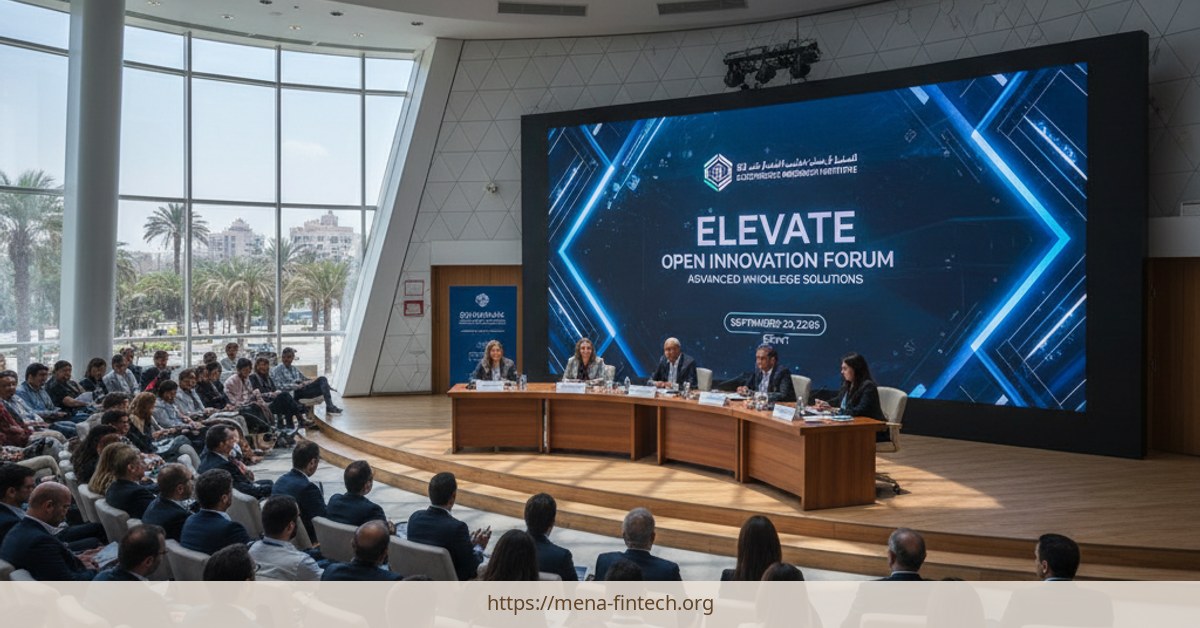
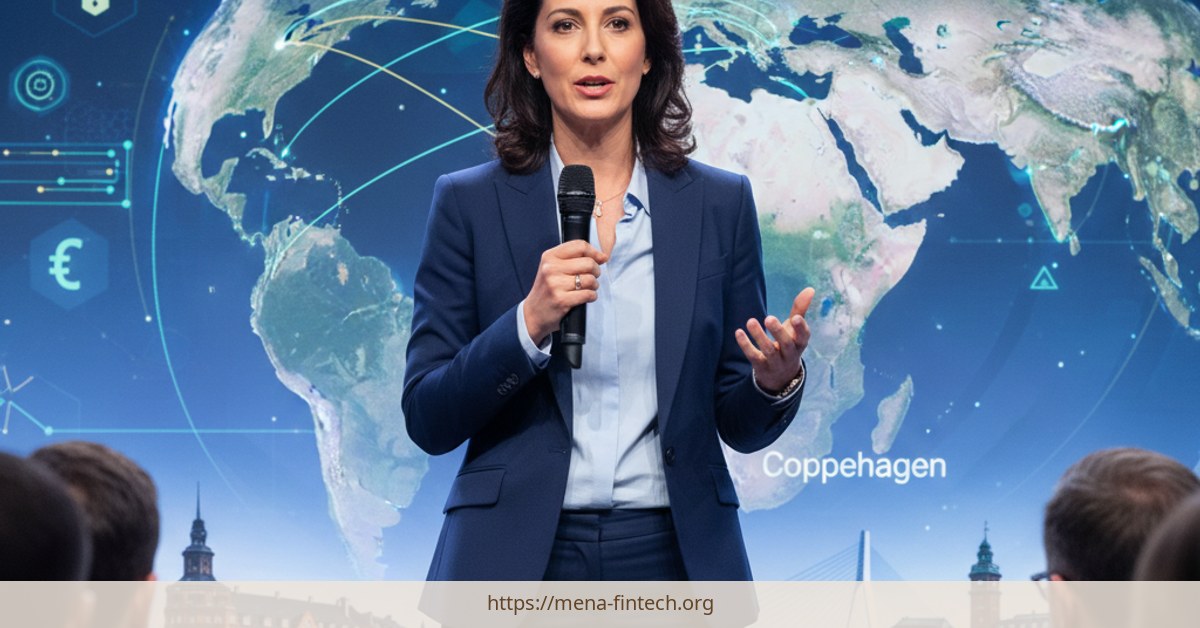
At EBAday in Copenhagen, Simone Satan, Head of Digital Payments Solutions at BNY, highlighted the urgent need for cross-border payments to mirror the ease of domestic transactions.
Advancements in Cross-Border Payment Technologies
Simone Satan emphasized the development of tools like AI and APIs to enhance cross-border payment experiences. The integration of these technologies is essential for making cross-border payments as seamless as domestic transactions. These advancements are critical for the MENA fintech ecosystem, where reducing friction in cross-border transactions can significantly improve business operations and customer satisfaction. The adoption of AI-driven solutions, for instance, enables real-time fraud detection, currency conversion optimization, and dynamic routing of transactions through the most cost-effective corridors. APIs, meanwhile, allow for the interoperability of disparate financial systems, enabling fintechs to build modular payment platforms that can be easily integrated with existing banking infrastructure. In the MENA region, where remittances and trade finance are key economic drivers, such technological upgrades are not just beneficial but necessary to meet the growing demand for faster, cheaper, and more transparent cross-border services.
The Evolving Role of Correspondent Banks
Axel Weiss, Head of Payments at DSGV, noted the loss of market share within cross-border payments, prompting a need for correspondent banks to evolve. The insights shared during the event indicate a shift in the operational models of these banks. As cross-border payment solutions become more accessible, correspondent banks are adapting to maintain relevance in a rapidly changing landscape. Traditionally, correspondent banks acted as intermediaries, facilitating transactions between institutions in different jurisdictions. However, the rise of fintechs and digital banks has disrupted this model, with many new players offering direct, API-based solutions that bypass traditional intermediaries. This shift has forced correspondent banks to reevaluate their value proposition, focusing on areas such as compliance, liquidity management, and risk mitigation. For example, some banks are now leveraging blockchain technology to streamline settlement processes, while others are investing in AI-powered analytics to better predict and manage currency fluctuations. In the MENA region, where correspondent banking networks have historically been limited by regulatory fragmentation and infrastructure gaps, this evolution presents both challenges and opportunities for regional financial institutions.
Market Opportunities for MENA Fintechs
As cross-border payment solutions become more accessible, fintech companies can leverage these advancements to expand their services. The discussion at EBAday highlights significant implications for business operations and customer satisfaction in the region. MENA fintechs have an opportunity to integrate these technologies into their platforms, offering more efficient and user-friendly cross-border payment solutions. The region’s growing digital economy, coupled with increasing smartphone penetration and internet access, has created a fertile ground for innovation. Fintechs such as Instadapp, PayTabs, and Tamara are already experimenting with decentralized finance (DeFi) protocols and embedded finance models to provide cross-border services tailored to local needs. For instance, some platforms are integrating real-time exchange rate APIs to eliminate the markup typically charged by traditional banks, while others are using AI to personalize payment options for users based on transaction history and behavioral patterns. These innovations not only enhance user experience but also position MENA fintechs to compete globally, particularly in markets where regulatory sandboxes and open banking frameworks are accelerating financial inclusion.
Significance: For the MENA fintech ecosystem, the evolution of cross-border payments is crucial for enhancing business operations and customer satisfaction. The integration of AI and APIs in cross-border payment solutions can position MENA fintechs as key players in a global market. For regional financial institutions, the practical question is how to effectively adopt and scale these technologies while ensuring compliance with local and international regulations. The shift toward digital-first payment infrastructures also raises broader questions about the future of correspondent banking in the region. As fintechs and neobanks continue to disrupt traditional models, regulators will need to balance innovation with systemic stability, particularly in areas such as anti-money laundering (AML) and know-your-customer (KYC) requirements. This dynamic environment presents a unique opportunity for MENA stakeholders to shape the next generation of cross-border payment systems, provided they align technological advancements with regulatory frameworks and consumer trust.
The announcement did not disclose financial terms, expected merchant volumes, or specific implementation timelines. It also did not confirm when the first live corridor or commodity product would move into production.
Sources
- How Cross-Border is Growing to Mirror Domestic Ease – finextra.com