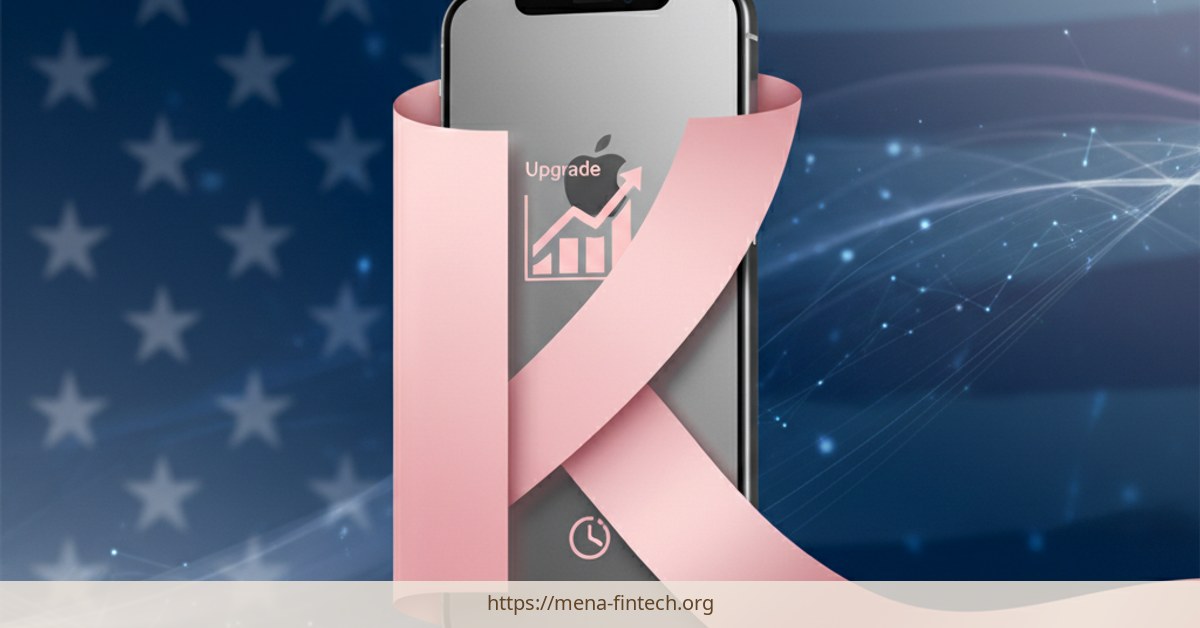
Apple has partnered with Klarna to introduce a new hardware leasing program in the United States. The initiative, announced on July 28, 2026, positions Klarna as the leasing provider for Apple’s Upgrade program, offering customers flexible payment options for Apple products.
Leasing Program Details
Klarna’s role as the leasing provider for Apple’s Upgrade program marks a strategic alignment between a global technology leader and a fintech firm specializing in payment solutions. The program is currently available through Apple in the United States, reflecting a growing trend in consumer financing models that prioritize flexibility and accessibility. The announcement was made on July 28, 2026, and includes no immediate details on regional expansion or local partnerships. This model, which allows users to lease hardware instead of purchasing it outright, aligns with broader shifts in the tech and finance sectors toward subscription-based and usage-driven consumption. By integrating Klarna’s payment infrastructure into Apple’s ecosystem, the partnership aims to reduce barriers to entry for high-cost devices while maintaining Apple’s premium brand positioning. The program’s structure likely involves monthly payment plans with options to upgrade to newer models, a feature that has gained traction in markets where consumers prefer to avoid large upfront costs.
Market Implications
This partnership underscores the increasing collaboration between technology companies and fintech providers to innovate in consumer payment solutions. For the MENA region, where digital payment infrastructure is rapidly evolving, such models could influence similar initiatives by local fintechs and banks. The leasing framework may also align with broader trends in embedded finance, where payment solutions are integrated into product ecosystems to streamline user experience. In the GCC, for example, embedded finance has seen significant adoption in sectors like e-commerce and mobile banking, driven by regulatory support and consumer demand for seamless digital services. The Apple-Klarna model could serve as a blueprint for regional players seeking to replicate such integration, particularly in markets where credit penetration remains uneven. However, the absence of explicit details on how the program might interface with local financial regulations or existing partnerships in the GCC raises questions about its direct applicability to the region. The partnership also highlights the growing role of global fintechs in shaping regional payment ecosystems, a trend that has accelerated with the rise of cross-border digital services and the proliferation of mobile-first financial solutions.
What Wasn’t Disclosed
The announcement did not specify financial terms, expected adoption rates, or timelines for potential expansion into the MENA region. Additionally, details on how the program might interface with local financial regulations or existing partnerships in the GCC were absent. The lack of information on regional relevance raises questions about the immediate applicability of the model to MENA markets. For instance, the program’s reliance on credit scoring and repayment mechanisms may face challenges in regions with less developed credit bureaus or where alternative financial data (such as utility payments or mobile usage) are more commonly used for risk assessment. Furthermore, the absence of information on potential partnerships with local banks or fintechs in the GCC suggests that the model may require significant adaptation to meet regional compliance standards and consumer preferences. This opacity could delay the program’s adoption in the MENA region, where regulatory alignment and localized financial infrastructure are critical for successful implementation.
Significance:
For MENA fintech, the partnership highlights the convergence of hardware innovation and flexible payment models, potentially shaping future collaborations between global tech firms and regional financial institutions. The practical question for market participants is whether such models can be adapted to meet local regulatory frameworks and consumer preferences without compromising compliance or scalability. In the GCC, where regulatory sandboxes and innovation hubs are fostering experimentation with new financial products, the Apple-Klarna model could inspire similar initiatives that blend hardware and financial services. However, the success of such adaptations would depend on factors such as the availability of localized credit data, the maturity of digital identity verification systems, and the willingness of consumers to adopt subscription-based models for high-value purchases. Additionally, the partnership may encourage regional fintechs to explore partnerships with global tech firms to co-develop payment solutions tailored to the MENA context, thereby accelerating the region’s integration into global financial ecosystems.
Sources
Sources
- Apple partners Klarna for new hardware leasing programme – finextra.com