Artificial intelligence is reshaping investment strategies in Arab stock markets, with Saudi Arabia leading the charge in regulatory development.
Core Developments in AI-Driven Investment
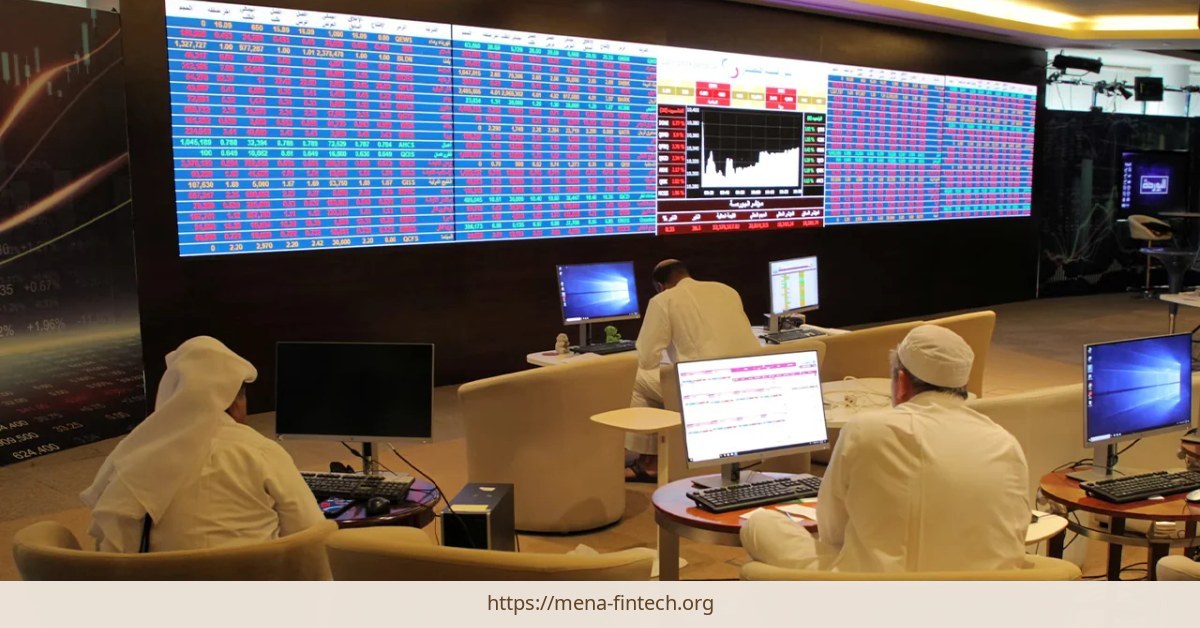
Artificial intelligence is being used in Arab stock markets to shape portfolios, provide investment recommendations, and execute trades. Saudi Arabia is developing regulations for AI-powered advisory services and algorithmic trading. The UAE and Egypt are also adopting different regulatory approaches regarding AI in investment. The Capital Market Authority in Saudi Arabia is involved in the development of these rules.
Regulatory Approaches in Saudi Arabia
The Capital Market Authority (CMA) is spearheading efforts to establish a regulatory framework for AI-powered advisory services and algorithmic trading. These measures aim to enhance investor protection and ensure market integrity while fostering innovation. The CMA’s involvement signals a strategic push to align AI integration with existing financial regulations, creating a balanced environment for both traditional and emerging market participants.
Comparative Analysis: UAE and Egypt
The UAE’s approach to AI in investment emphasizes innovation and fintech integration, with regulators prioritizing the development of a supportive ecosystem for AI-driven financial services. In contrast, Egypt is balancing regulatory oversight with market growth, focusing on creating a framework that encourages technological advancement without compromising financial stability. These divergent strategies reflect broader regional priorities in adapting to AI’s transformative potential.
Significance of AI in MENA Fintech
For the MENA fintech landscape, the integration of AI in investment decisions represents a pivotal shift toward data-driven decision-making and enhanced market efficiency. AI-driven strategies could improve portfolio performance, reduce operational costs, and enable real-time analytics for investors. However, regulatory adaptation remains critical to ensure that innovation does not outpace safeguards. Regional financial institutions must navigate evolving frameworks to leverage AI’s benefits while mitigating risks such as algorithmic bias or market manipulation.
The announcement did not disclose specific regulatory timelines, implementation details, or stakeholder engagement plans. Further clarity is needed on how AI regulations will interact with existing financial policies and how they will be enforced across different jurisdictions.
What wasn’t disclosed:
- Specific regulatory timelines or implementation milestones.
- Detailed stakeholder engagement plans or enforcement mechanisms.
- Impact assessments on market participants or potential risks associated with AI adoption.
Significance:
For MENA fintech, the integration of AI in investment strategies underscores the region’s growing reliance on technology to drive financial innovation. However, the lack of standardized regulatory frameworks across GCC and non-GCC countries could create fragmented market conditions. Financial institutions must prepare for evolving compliance requirements while exploring opportunities to integrate AI into their service offerings.
For regional policymakers, the practical question is how to harmonize AI regulations with existing financial frameworks to ensure both innovation and investor protection. Until specific guidelines are finalized, the development remains an infrastructure initiative to monitor rather than a completed market rollout.
Sources
- AI Moves Deeper Into Investment Decisions Across Arab Stock Markets – menastartupdigest.com
Image: waya.media