

Saudi PIF Reports 9% Revenue Growth, Eyes Future Investments
The Public Investment Fund (PIF) of Saudi Arabia announced a 9% increase in revenues for 2025, reaching 449 billion Riyals, with a net profit of 65.1 billion Riyals. This growth is attributed to strategic investments and operational improvements, reflecting the fund’s pivotal role in the Kingdom’s economic transformation. Moving forward, watch for PIF’s potential investments in technology and renewable energy sectors as it continues to shape the economic landscape of Saudi Arabia.
IMF and Egypt Forge $2B Deal Amid Economic Challenges
The International Monetary Fund (IMF) and Egypt have reached a preliminary agreement to unlock $2 billion in financing, aimed at alleviating the country’s immediate financial pressures. This deal is part of broader efforts to stabilize Egypt’s economy amid ongoing challenges. The success of this agreement will depend on Egypt’s commitment to implementing necessary economic reforms to regain investor confidence.
SDAIA Enforces Personal Data Protection Law with Penalties

The Saudi Data and Artificial Intelligence Authority (SDAIA) has imposed penalties on several entities for violating the Personal Data Protection Law. This enforcement action is driven by a commitment to uphold data privacy standards and ensure compliance across various sectors. Moving forward, stakeholders should watch for potential increases in regulatory scrutiny and stricter data protection measures in Saudi Arabia.
Saudi Arabia Extends Tax Penalty Waiver for Six Months
The Zakat, Tax and Customs Authority (ZATCA) has announced a six-month extension of its initiative to waive fines and financial penalties for taxpayers, effective from July 1, 2026. This decision follows a directive from the Minister of Finance aimed at alleviating financial burdens on taxpayers. The broader implication is that this initiative may enhance compliance rates and timely tax payments, which will be crucial to monitor in the coming months.
Abdullah Kamel Calls for Islamic Cooperation Amid Economic Shifts
Abdullah Saleh Kamel, Chairman of the Federation of Saudi Chambers of Commerce, emphasized the need for enhanced cooperation among Islamic countries and greater empowerment of the private sector to support economic development amidst rapid economic changes. His remarks highlight the importance of collaboration in addressing current economic challenges. Moving forward, initiatives from the Islamic Chamber of Commerce to enhance private sector roles will be crucial to watch.
Saudi-Turkish Forum Launches to Boost Trade and Investment

Saudi Arabia and Turkey have signed a memorandum of understanding to establish the Saudi-Turkish Chamber Forum (TSCF) aimed at enhancing trade and investment cooperation. This agreement was made during the 40th meeting of the Islamic Chamber of Commerce, highlighting a strategic move to strengthen economic ties between the two nations. The formation of the TSCF is expected to lead to increased collaboration and investment opportunities in the private sector.
UAE Cybersecurity Council Sounds Alarm on Digital Risks

The UAE Cybersecurity Council has issued a warning regarding the increasing risks associated with personal digital footprints. This alert comes amid a rise in global cyber threats, emphasizing the need for improved online safety practices. As cyber threats evolve, individuals must prioritize the protection of their digital identities and watch for potential new regulations on digital security in the UAE.
Egypt’s Privatization Push Secures $1.6B IMF Financing

Egypt has successfully met IMF targets through state-asset sales, unlocking $1.6 billion in funding. This financing is part of an IMF-backed economic reform plan aimed at enhancing economic stability through privatization efforts. Moving forward, the performance of the newly listed state firms will be crucial to monitor as Egypt implements further economic reforms.
Saudi Arabia’s Hajj Ministry Goes 100% Cloud for Pilgrim Services
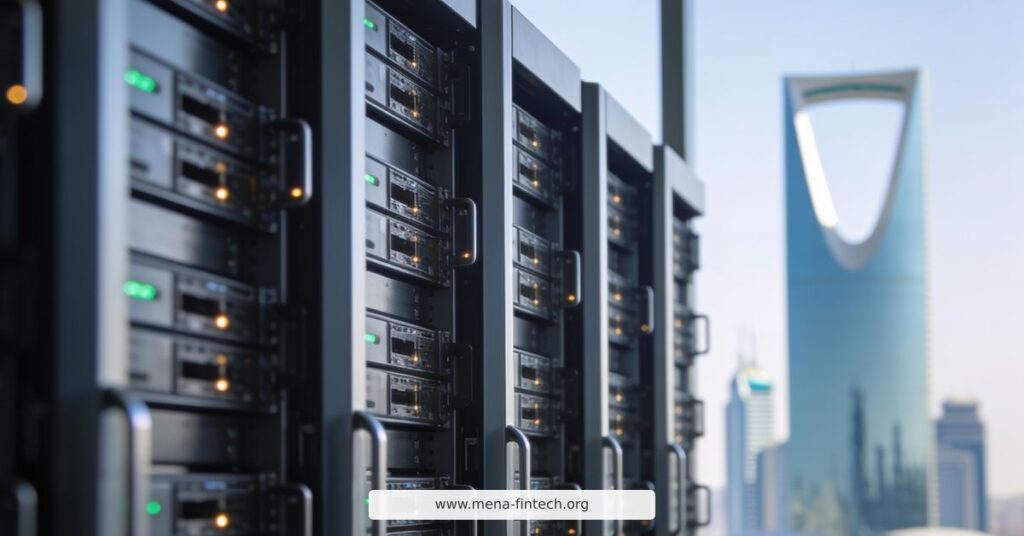
The Saudi Ministry of Hajj and Umrah has fully transitioned its Information Center to a cloud computing system. This shift is driven by the need to enhance operational efficiency and service continuity for pilgrims. As the ministry embraces this technology, observers should watch for improvements in digital services during the upcoming Hajj season.
Saudi Arabia Tightens Regulations on Gold Disclosure for Travelers
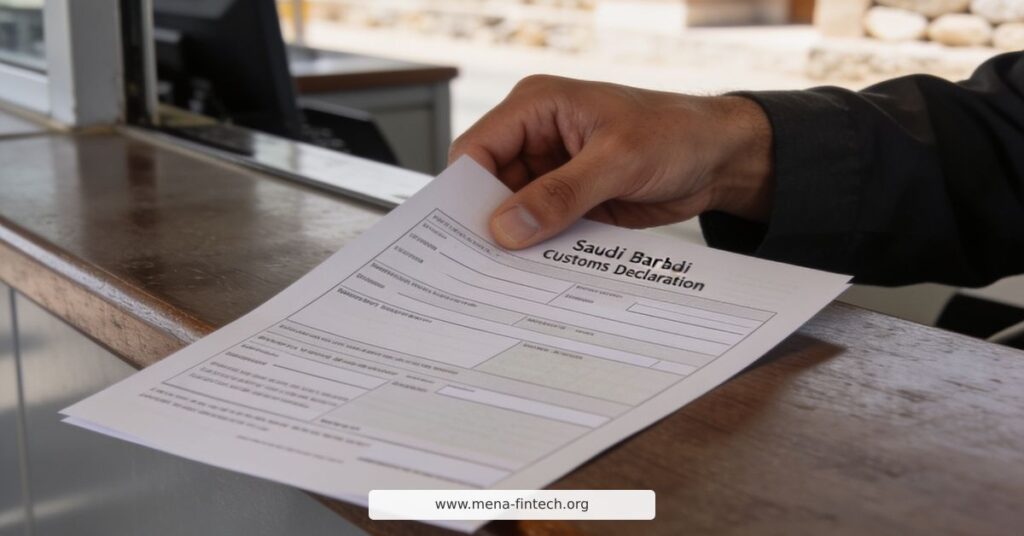
Saudi Arabia has mandated travelers to disclose valuables worth over 40,000 SAR when entering or leaving the country, as part of updated anti-money laundering regulations. This change reflects a significant tightening of oversight aimed at combating money laundering and enhancing financial transparency. The broader implication is an expected increase in scrutiny of travelers, impacting cross-border transactions and the tourism sector.