

UAE Unveils Strategic Finance Plan for 2027-2029

Sheikh Maktoum bin Mohammed bin Rashid Al Maktoum has launched the UAE Ministry of Finance’s strategic plan for 2027-2029, aimed at enhancing fiscal efficiency. This initiative reflects a forward-looking approach to improve financial operations within the government framework. Stakeholders will be watching for updates on the plan’s implementation and its potential impacts on the UAE’s fiscal policies and economic growth.
UAE Tops Global Economic Performance Rankings in 2026

The UAE has achieved the remarkable feat of ranking first globally in economic performance and fifth overall in the IMD World Competitiveness Yearbook 2026. This recognition highlights the country’s robust economic policies and strategic initiatives that have fostered a competitive environment. Moving forward, the UAE’s focus on maintaining its competitive edge will be crucial for attracting further investment and innovation.
UAE Extradites Three Money Laundering Suspects to Belgium
The UAE has extradited three individuals to Belgium who are wanted for money laundering and organized crime. This move highlights the ongoing collaboration between the UAE and Belgium in combating serious criminal activities. The extradition may pave the way for further cooperative efforts between the UAE and European nations in tackling organized crime.
UAE and Qatar Forge Data Protection Pact for Security Projects

The UAE and Qatar have signed a Memorandum of Understanding (MoU) to enhance data protection for joint security projects. This agreement reflects a growing emphasis on data governance amid increasing digital transformation and cybersecurity concerns. The next steps to watch include potential expansions of this MoU into other sectors and heightened regional cybersecurity initiatives.
UAE Unveils First Retail Sukuk Programme for Investors
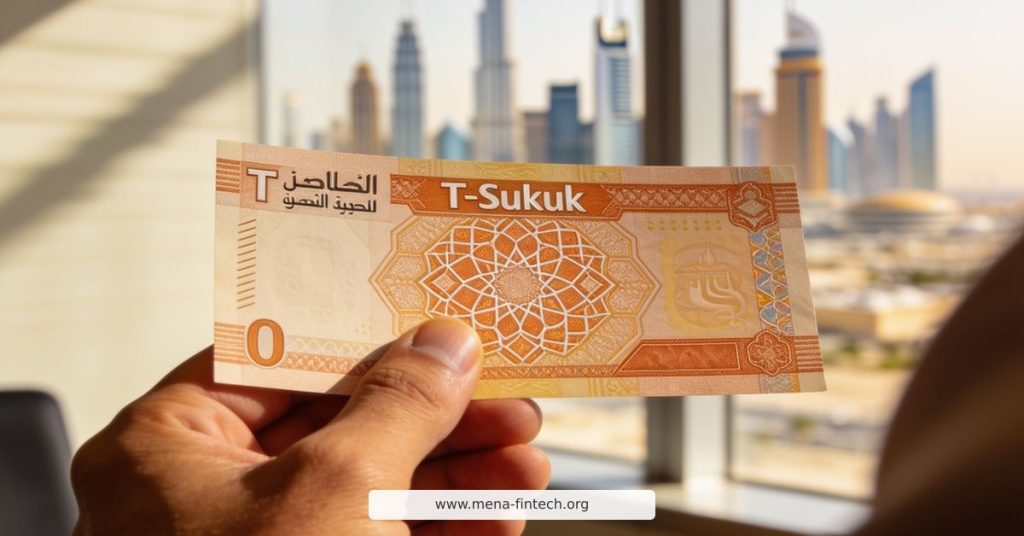
The UAE Ministry of Finance has launched its inaugural Sovereign Retail T-Sukuk Programme, allowing individual investors to participate in Sharia-compliant government bonds. This initiative aims to enhance financial inclusion by lowering the investment threshold to just $272. As the programme unfolds, it could significantly boost the UAE’s Islamic finance sector and attract a diverse range of investors.
Saudi Arabia Boosts Digital Investment to SR31.9 Billion

Saudi Arabia’s government reported a significant expenditure of SR31.9 billion on digital services in 2025, reflecting a strong commitment to enhancing its digital infrastructure. This investment is part of the broader Vision 2030 initiative aimed at diversifying the economy and improving public service efficiency. Moving forward, the impact of these investments on service delivery and support for local businesses will be crucial to watch.
Dubai Police Warn of Rising Fraudulent Insurance Scams
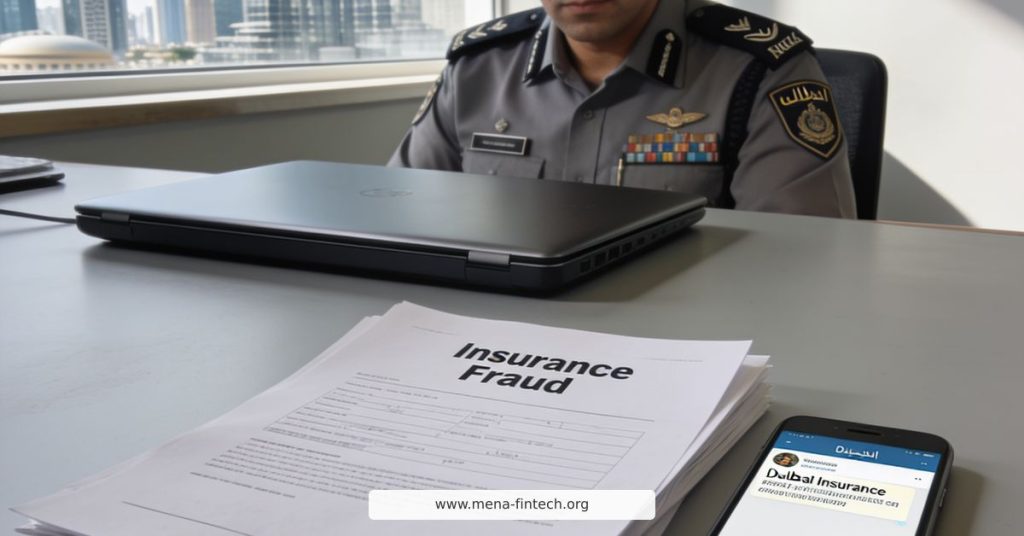
Dubai Police have issued a warning about fraudulent insurance offers circulating on social media. The alert comes amid a rise in online scams targeting consumers in the UAE, emphasizing the need for residents to verify the legitimacy of such offers. As scams evolve, increased public awareness and potential regulatory measures are expected to combat this growing threat.
Kuwait Unveils 15-Year Residency Permits for Foreign Investors

Kuwait has announced a new 15-year residency permit program aimed at attracting foreign investors. This initiative is part of a broader strategy to boost foreign investment and diversify the economy, requiring a minimum investment of $16 million. The success of this program will be pivotal in determining Kuwait’s attractiveness as an investment destination in the MENA region.
GCC Launches Unified Legislation Platform to Boost Integration

The Gulf Cooperation Council (GCC) has inaugurated the Unified Gulf Legislation Platform in Riyadh to enhance legislative coordination among member states. This initiative is driven by the need for improved cooperation and integration in the region, hosting over 24,700 legal documents for easy access. The platform’s launch signals a significant step towards streamlined legislative processes and greater collaboration across the Gulf states.
Egypt Clears $6.1B Debt to Foreign Oil Firms, Boosts Investment
Egypt has successfully settled all outstanding financial dues to foreign oil companies, eliminating a debt of over $6 billion. This milestone, described by Minister of Petroleum Karim Badawy as unprecedented, aims to restore investor confidence in the country’s energy sector. Moving forward, watch for potential increases in foreign investment and government initiatives to enhance energy infrastructure.